
Can Retinol and Glycolic Acid Work Together?
Table of Contents
- Can Retinol and Glycolic Acid Work Together?
- The Difference Between Retinol and Glycolic Acid
- How to Layer Skincare Acids and Retinol Correctly
- Glycolic Acid and Retinol Routine Schedule for Best Results
- Potential Side Effects and How to Avoid Them
- Signs of Over-Exfoliation From Skincare
- Recovery Routine and Long-Term Maintenance
Last Updated: August 24, 2026
Can Retinol and Glycolic Acid Work Together?
Yes, retinol and glycolic acid can work together, but they require careful planning and the right approach. Both are powerful actives that drive results, retinol stimulates cell turnover and collagen production, while glycolic acid exfoliates the skin surface through chemical exfoliation. The key is understanding how they interact and building a routine that prevents over-exfoliation while maximizing their individual benefits.

The answer depends on your skin type, tolerance level, and how you structure your routine. Beginners should start conservatively. Experienced users can integrate both actives more aggressively. This guide walks you through exactly how to do it safely.
The Difference Between Retinol and Glycolic Acid
Understanding what each ingredient does separately is essential before combining them. These are fundamentally different types of actives that work through different mechanisms.
Retinol is a vitamin A derivative that works at the cellular level. It penetrates deeper into the dermis, where it binds to retinoid receptors and increases cell turnover. Over time, retinol boosts collagen production, thickens the epidermis, and improves skin texture from within. Results take 6-12 weeks to become visible, but they're durable and long-lasting (peer-reviewed research). Retinol also increases sun sensitivity, which is why it's a nighttime-only ingredient.
Glycolic acid is an alpha-hydroxy acid (AHA) that works on the skin surface. It dissolves the bonds between dead skin cells, accelerating exfoliation and revealing fresher skin underneath. Glycolic acid is water-soluble and works quickly, you'll see smoother texture and brighter tone within days. It also helps other actives penetrate more effectively by removing the barrier of dead skin. However, glycolic acid doesn't address deeper aging concerns the way retinol does.
The critical difference: retinol is a cell-renewal tool that addresses aging at the source, while glycolic acid is a surface exfoliant that improves immediate appearance and prepares skin for better absorption. Together, they accelerate skin transformation, but you need to respect their different pH requirements and potency levels. Glycolic acid works best at lower pH (around 3-4), while retinol needs a neutral to slightly acidic environment (peer-reviewed research). Layering them incorrectly can neutralize both or trigger excessive irritation.
How to Layer Skincare Acids and Retinol Correctly
Layering order matters more than most people realize. The sequence determines absorption, efficacy, and irritation risk. This is where most routines fail, people apply products in the wrong order and then blame the ingredients.
The golden rule: Apply actives from thinnest to thickest consistency, and always let each layer dry completely before applying the next. This prevents pilling and ensures each product penetrates rather than sitting on top.
Here's the correct layering sequence:
-
Cleanser, Start with a gentle cleanser. Remove makeup and impurities without stripping your skin barrier.
-
Toner or essence (optional), If you use one, apply it to damp skin. This hydrates and preps your skin for actives.
-
Glycolic acid serum, Apply to completely dry skin. Wait 10-15 minutes for it to fully absorb and for your skin pH to normalize. This is the exfoliating step that removes dead skin cells.
-
Retinol serum, Once glycolic acid is dry, apply retinol. The exfoliated skin allows better penetration. EVERGRENE's Collagen and Retinol Serum combines retinol with hydrating ingredients like hyaluronic acid and soybean oil, so you're not adding extra irritation on top of active ingredients.

Collagen and Retinol Serum -
Moisturizer with ceramides, This is non-negotiable. Ceramides repair and reinforce your skin barrier after exfoliation and retinol. They lock in hydration and reduce irritation.
-
Eye cream (optional), The eye area is thinner and more sensitive. Use a dedicated eye product if you're concerned about irritation around the eyes.
-
SPF 30+ (morning only), Both retinol and glycolic acid increase sun sensitivity. Daily sunscreen is mandatory, not optional.
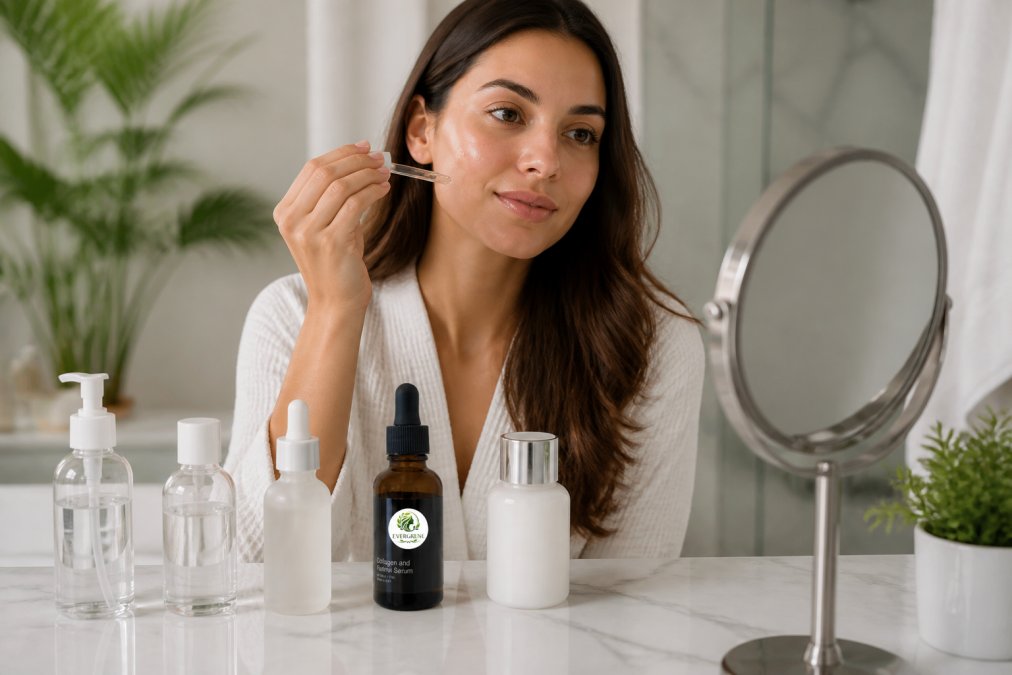
The waiting time between steps is crucial. Rushing defeats the purpose. Each product needs to absorb fully before the next one goes on. If you apply retinol to wet glycolic acid, you're creating a reactive environment that increases irritation without improving results.
Glycolic Acid and Retinol Routine Schedule for Best Results
Frequency matters as much as technique. Using both actives daily is the fastest way to damage your skin barrier. The schedule depends on your experience level and skin sensitivity.
For beginners (first 8-12 weeks):
Start slowly. Your skin needs time to build tolerance to active ingredients. Use glycolic acid twice per week and retinol once per week on non-overlapping nights.
- Monday: Glycolic acid serum + moisturizer + ceramides
- Wednesday: Rest night (just cleanser, moisturizer, SPF)
- Thursday: Retinol serum + moisturizer + ceramides
- Friday-Sunday: Rest nights
This schedule gives your skin 3-4 days between actives. Your skin barrier stays intact, and you avoid the cumulative irritation that comes from back-to-back exfoliation and cell turnover stimulation.
For intermediate users (after 12 weeks):
Once your skin has adapted, you can increase frequency slightly.
- Monday & Thursday: Glycolic acid serum
- Tuesday & Friday: Retinol serum
- Wednesday, Saturday, Sunday: Rest nights
This alternating schedule keeps actives separated by at least one day. You're using glycolic acid twice weekly and retinol twice weekly, but never on consecutive nights.
For advanced users (3+ months of consistent use):
Only experienced users should consider this. Your skin barrier must be strong and your tolerance proven.
- Monday, Wednesday, Friday: Glycolic acid serum
- Tuesday, Thursday, Saturday: Retinol serum
- Sunday: Rest night
Even at this frequency, you're never using both actives on the same night. The rest night on Sunday allows your skin to recover fully before the cycle repeats.
Critical rule: Never use glycolic acid and retinol on the same night, regardless of your experience level. This combination is too aggressive for any skin type. The exfoliation from glycolic acid + the cell turnover from retinol = guaranteed irritation, redness, and potential barrier damage.
Potential Side Effects and How to Avoid Them
Both retinol and glycolic acid carry real risks when used incorrectly. Understanding what can go wrong helps you prevent it.
Retinol side effects:
- Redness and irritation, Retinol causes temporary inflammation as it stimulates cell turnover. This is normal for the first 2-4 weeks, but it should fade as your skin adapts.
- Dryness and flaking, As dead skin cells are shed, your skin may feel tight and look flaky. This is a sign you need more moisturizer and ceramides, not that you should stop using retinol.
- Sun sensitivity, Retinol thins the outer layer of skin temporarily, making it more vulnerable to UV damage. SPF is non-negotiable.
- Retinization, The adjustment period where your skin gets worse before it gets better. This typically lasts 4-8 weeks.
Glycolic acid side effects:
-
Burning or stinging, Glycolic acid has a lower pH and can sting on sensitive skin. This usually subsides within 5 minutes as your skin adjusts.
-
Excessive dryness, Over-exfoliation with glycolic acid strips the skin barrier. Your skin feels tight and looks dull.
-
Increased sensitivity, If you use glycolic acid too frequently, your skin becomes reactive to other products and environmental factors.
-
Purging, Glycolic acid can bring underlying congestion to the surface. This is temporary but can feel discouraging.
Prevention strategies:
-
Start low, go slow, Begin with the lowest concentrations and frequencies. Increase frequency only after 4-6 weeks of consistent use without problems.
-
Moisturize heavily, Both actives compromise the skin barrier temporarily. Use a rich moisturizer with ceramides every single night. This is your defense against irritation.
-
Patch test first, Apply a small amount to your inner arm or behind your ear 24 hours before using on your face. Watch for allergic reactions or sensitivity.
-
Never skip sunscreen, Retinol increases photosensitivity. Use SPF 30 or higher every morning, even on cloudy days (the CDC). This prevents sun damage and hyperpigmentation.
-
Avoid other irritants, While using retinol and glycolic acid, skip vitamin C serums, benzoyl peroxide, salicylic acid, and other actives. Let your skin focus on adapting to these two.
-
Listen to your skin, If you experience persistent redness, severe dryness, or sensitization after 8 weeks, reduce frequency or pause one of the actives. Your skin barrier health matters more than aggressive treatment.
Signs of Over-Exfoliation From Skincare
Over-exfoliation is more common than under-exfoliation, especially when combining multiple actives. Your skin will tell you when it's had too much. Learning to recognize these signs prevents long-term damage.
Early warning signs (address immediately):
- Persistent redness that doesn't fade within an hour after application
- Burning or stinging that lasts longer than 5 minutes
- Excessive flaking that looks like visible skin peeling off in sheets
- Tightness that feels uncomfortable, not just slightly dry
- Sensitivity to other products, even gentle cleansers sting or cause irritation
- Increased breakouts that weren't present before starting actives
- Visible texture changes, rough patches or a sandpaper-like feel
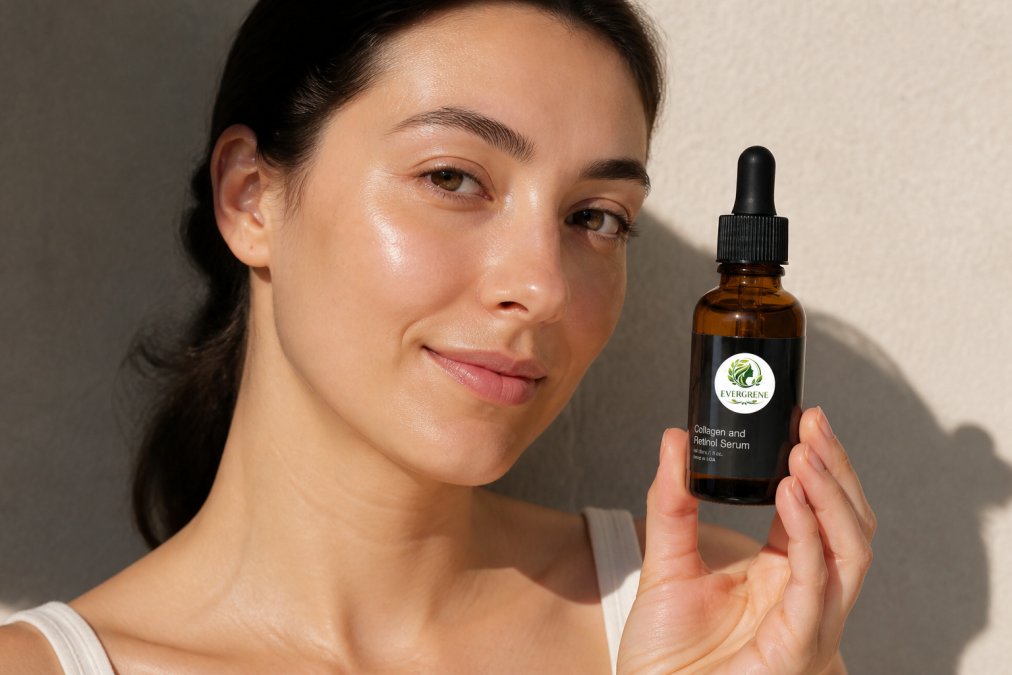
Advanced signs (requires recovery time):
- Compromised skin barrier, your skin can't retain moisture, feels perpetually dry
- Reactive skin, stinging from water, temperature changes, or any product
- Chronic sensitivity, your skin has become sensitized to ingredients it previously tolerated
- Delayed healing, minor cuts, irritation, or blemishes take longer to heal
- Visible damage, raw patches, micro-tears, or areas where the skin looks damaged
If you experience any of these, pause both glycolic acid and retinol immediately. Use only a gentle cleanser, hydrating toner, and a barrier-repair moisturizer for 1-2 weeks. Let your skin recover before reintroducing actives at a much lower frequency.
Recovery Routine and Long-Term Maintenance
Recovery from over-exfoliation or irritation requires a specific approach. You're rebuilding your skin barrier, not treating it.
Immediate recovery (days 1-7):
- Cleanser: Gentle, non-foaming cleanser only. Avoid physical exfoliants and active ingredients.
- Hydration: Use a hydrating toner or essence to replenish water content.
- Barrier repair: Apply a moisturizer with ceramides, niacinamide, and squalane. EVERGRENE's Age Defying Serum contains squalane and glycerin for deep hydration without irritation.
- SPF: Sunscreen every morning. Your barrier is compromised, so UV protection is critical.
- Skip everything else: No retinol, no glycolic acid, no vitamin C, no other actives.
Extended recovery (weeks 2-4):

Once acute irritation subsides, you can reintroduce actives very conservatively.
- Reintroduce glycolic acid first, Use once per week at the lowest concentration. Wait 2 weeks before increasing frequency.
- Then reintroduce retinol, Use once per week on a different night than glycolic acid.
- Monitor closely, If irritation returns, go back to the recovery routine.
Long-term maintenance (months 3+):
Once your skin has fully adapted and you've found your ideal frequency, maintenance is about consistency and simplicity.
- Stick to your schedule, Don't increase frequency just because your skin feels good. Consistency beats intensity.
- Rotate products seasonally, In winter, you may need more moisturizer and less frequent exfoliation. In summer, you might tolerate more glycolic acid.
- Use supporting ingredients, Hyaluronic acid, ceramides, and antioxidants support your skin barrier while you're using actives.
- Annual breaks, Some dermatologists recommend taking 1-2 weeks off from retinol every 3-4 months to let your skin fully recover. This is optional but worth considering if you use retinol year-round.
The goal of long-term use is sustainable results, not maximum intensity. A routine you can maintain for years beats an aggressive routine that damages your skin and forces you to stop.
The combination of retinol and glycolic acid delivers visible results faster than either ingredient alone. But speed requires respect for your skin's limits. Start conservatively, layer correctly, and listen to your skin when it tells you to slow down. EVERGRENE's Collagen and Retinol Serum and Glycolic Acid Serum are formulated to work together safely when you follow the right protocol. Build your routine around these two actives, and you'll see smoother texture, improved tone, and visible anti-aging benefits within 8-12 weeks.
===
Frequently Asked Questions
Q: What happens if you mix glycolic acid and retinol?
A: Retinol and glycolic acid can work together when used correctly, but combining them improperly increases irritation risk. Both ingredients boost cell turnover and exfoliation, so using them simultaneously on the same night can overwhelm your skin barrier. The key is alternating them on different nights or using lower concentrations on the same evening with proper spacing between applications. Start with one active ingredient, build tolerance over 4-6 weeks, then introduce the second gradually.
Q: How often should you use glycolic acid and retinol in a weekly routine?
A: Beginners should start with glycolic acid 1-2 times per week and retinol 1-2 times per week on separate nights. Once your skin adapts over 8-12 weeks, you can increase to 3-4 times weekly for each, still alternating nights. Never use both on the same evening initially. Those with sensitive skin should maintain the 1-2 times weekly schedule indefinitely. Always allow 48 hours between applications of the same active ingredient, and use SPF 30+ daily since both increase sun sensitivity.
Q: Can using retinol and glycolic acid together cause skin irritation?
A: Yes, using retinol and glycolic acid together on the same night significantly increases irritation risk, especially for beginners. Both are chemical exfoliants that accelerate cell turnover and can compromise your skin barrier if overused. Signs of irritation include redness, flaking, burning sensation, and sensitivity to other products. To prevent this, alternate the ingredients on different nights, use lower concentrations initially, and always follow with a moisturizer containing ceramides or hyaluronic acid to restore hydration and protect your skin barrier.
Q: What should you never mix with glycolic acid and retinol?
A: Avoid combining glycolic acid or retinol with other strong actives like vitamin C, niacinamide at high concentrations, or benzoyl peroxide on the same evening. Do not use physical exfoliants (scrubs) on nights you apply chemical exfoliants. Never mix retinol with acids in the same product unless specifically formulated that way by the manufacturer. Avoid layering multiple exfoliating products. Stick to gentle, hydrating ingredients like hyaluronic acid, glycerin, and squalane on active ingredient nights to support your skin barrier and minimize irritation.
This article was written using GrandRanker