
Is a 3-Step Skincare Routine Actually Effective?
Table of Contents
- What a 3-Step Skincare Routine Actually Is
- The Core Steps: Cleanse, Treat, Protect
- Skinmalism vs. Multi-Step Routine: What the Research Shows
- How to Build a 3-Step Skincare Routine for Your Skin Type
- Best Skincare Routine for Busy Moms and Active Professionals
- Common Mistakes When Simplifying Your Routine
- Does a 3-Step Routine Actually Deliver Results?
- Frequently Asked Questions
Last Updated: September 23, 2026
What a 3-Step Skincare Routine Actually Is
A 3-step skincare routine is a minimalist approach to daily skin care that focuses on three essential products: a cleanser, a treatment serum or active ingredient, and a moisturizer with sun protection. This simplified method has gained traction as consumers push back against the overwhelming 10-step routines popularized by Korean beauty trends. The appeal is straightforward: fewer products mean less complexity, lower costs, and better adherence to a consistent regimen.
A 3-step skincare routine isn't just about using fewer products, it's about choosing the RIGHT products that work together synergistically. The difference between effective minimalist routines and ineffective ones comes down to ingredient compatibility and skin type alignment.
Excessive layering overwhelms your skin microbiome and triggers sensitivity. A well-designed 3-step routine delivers cleansing, active treatment, and protection without redundancy or ingredient conflicts.
The Core Steps: Cleanse, Treat, Protect
Cleanse removes dirt, oil, makeup, and environmental pollutants. Over-cleansing with harsh formulas disrupts your skin's pH balance. Your cleanser should remove debris without leaving your skin feeling tight or dry.
Treat is where active ingredients like retinoids, glycolic acid, and antioxidants address specific concerns, fine lines, hyperpigmentation, uneven texture, or dehydration. The EVERGRENE Glycolic Acid Serum smooths skin tone and refines texture while glycerin provides hydration. A treatment serum concentrates active ingredients without the filler that bloats multi-step routines.

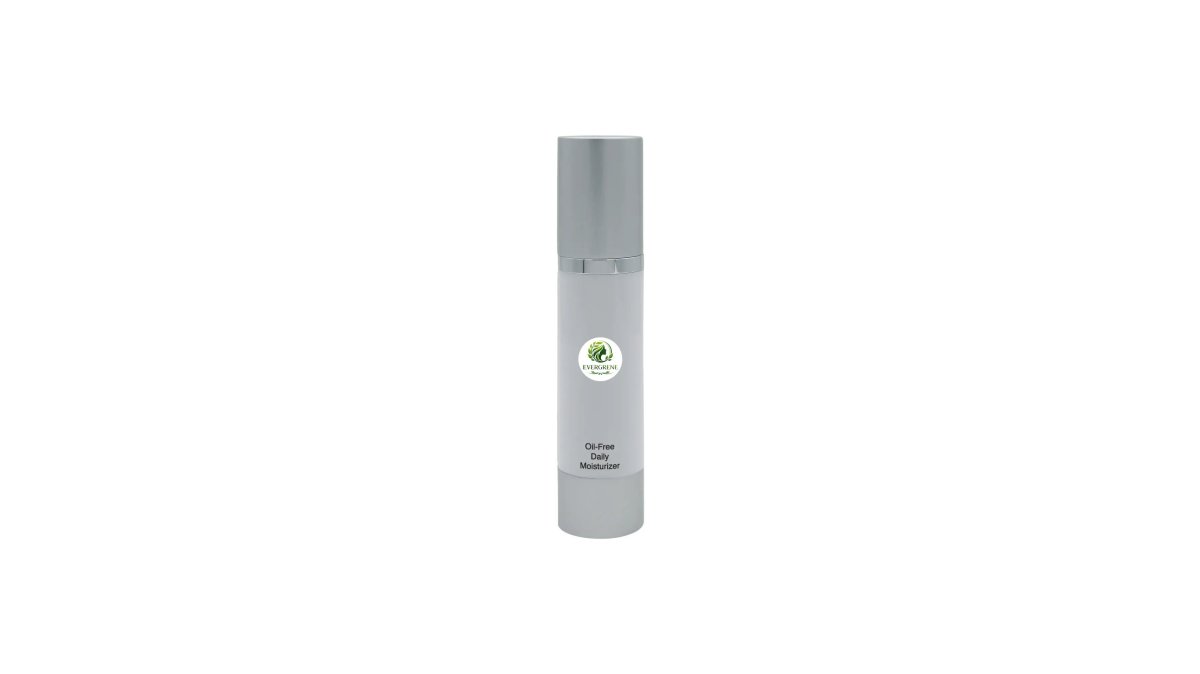
Protect locks in hydration and shields your skin from environmental stressors. During the day, use a moisturizer with broad-spectrum SPF; at night, use a hydrating moisturizer that supports your skin barrier. The EVERGRENE Oil-Free Daily Moisturizer delivers all-day hydration without a greasy finish, ideal for sensitive and combination skin.
Skinmalism vs. Multi-Step Routine: What the Research Shows
The tension between minimalism and comprehensive skincare comes down to a simple question: do more products equal better results? The answer is more nuanced than either extreme suggests.
A multi-step routine (8-10+ products) can address multiple concerns simultaneously. However, many people who adopt 10-step routines struggle with consistency, spend significantly more money, and experience irritation from over-layering incompatible ingredients.
Skinmalism strips away everything except what's essential. Routine disruption, irritation and sensitivity from switching products or using too many actives, often causes more damage than the skin concerns being treated. A 3-step skincare routine eliminates this disruption by keeping your regimen stable and predictable.
The real insight is that efficacy depends on formulation quality and ingredient compatibility, not product count. A three-product routine with well-chosen actives and hydrating bases can outperform a ten-product routine with redundant or conflicting ingredients. Your skin barrier thrives on consistency and simplicity, not complexity.
The Transition Phase: What Actually Happens When You Simplify
Most guides skip over this critical period, but understanding the transition phase is what separates people who succeed at simplification from those who abandon it after two weeks.
When you move from a multi-step routine to a 3-step approach, your skin undergoes a predictable adjustment cycle. Your skin barrier has adapted to multiple layers of occlusive ingredients, hydrating mists, essences, and serums. Suddenly removing these layers triggers a temporary destabilization as your skin recalibrates its natural moisture production and barrier function.
Week 1-2: The Shock Phase. Your skin may feel tight, dry, or slightly irritated because it's no longer receiving the buffering effect of multiple hydrating layers. Your skin microbiome is adjusting to fewer products and less chemical exposure. This is normal adaptation, not routine failure.
Week 2-3: The Adjustment Phase. Dryness may intensify as your skin sheds accumulated product residue and dead skin cells. Your skin produces more sebum to compensate for fewer occlusive layers, which can feel uncomfortable.
Week 3-4: The Stabilization Phase. Your skin barrier stabilizes, dryness decreases, and sensitivity reduces. By week 4, most people report less irritation overall, indicating the routine is working at a foundational level.
Week 4-8: The Results Phase. Visible improvements emerge: texture smooths, tone evens, and hydration improves.
Managing the Transition: Practical Strategies
To successfully navigate the transition phase without abandoning your routine:
Start with a hydrating treatment serum, not an active one. If you're moving from a complex routine, begin with a hyaluronic acid serum rather than glycolic acid or retinoids. This gives your skin a gentler adjustment period. After 4 weeks, you can introduce a more active treatment serum if your primary concern requires it.

Use a richer moisturizer during weeks 1-3. You can dial it back after your skin stabilizes, but during the transition phase, a heavier moisturizer helps buffer the adjustment period and prevents excessive dryness that might tempt you to abandon the routine.
Don't introduce new products during transition. Adding products during weeks 1-4 makes it impossible to identify whether reactions stem from simplification or the new product. Wait until week 4 to introduce anything new.
Expect temporary breakouts if you have acne-prone skin. Brief congestion during week 2-3 as skin purges accumulated residue typically resolves by week 4. Persistent breakouts beyond week 4 suggest your treatment serum isn't right for your skin type.
Consistency is critical. A simple routine done daily beats abandoning it for immediate results. Meaningful changes require at least one 28-day skin cell turnover cycle.
How to Build a 3-Step Skincare Routine for Your Skin Type
Building an effective routine starts with honest assessment of your skin type and primary concerns. Your routine should address your most pressing issues without creating secondary problems.
For oily or combination skin: Use a gentle, pH-balanced cleanser, the EVERGRENE Glycolic Acid Serum for exfoliation and texture refinement, and the EVERGRENE Oil-Free Daily Moisturizer for hydration without greasiness.

For dry or sensitive skin: Use a creamy, hydrating cleanser, the EVERGRENE Hyaluronic Acid Serum for deep moisturization and elasticity, and a rich moisturizer. Apply the serum twice daily if very dry.
For mature skin concerned with fine lines: Use a gentle cleanser, a treatment serum with retinoids or peptides (the EVERGRENE Glycolic Acid Serum smooths fine lines and evens tone), and a moisturizer with antioxidants and hydrating ingredients.
Best Skincare Routine for Busy Moms and Active Professionals
Time pressure is the primary reason most people abandon skincare routines. A 3-step skincare routine requires only 3-5 minutes per day, morning and night.
For busy professionals: cleanse (1 minute), apply treatment serum to damp skin (1 minute), apply moisturizer with SPF (1 minute). Evening is identical without SPF. This simplicity drives consistency and results.
When your routine is simple, you're more likely to do it consistently, and consistency drives skin health improvements.
For busy parents, integrate the routine into existing habits: cleanse while brushing teeth, apply serums while coffee brews, moisturize while getting dressed.
Common Mistakes When Simplifying Your Routine
The transition to a 3-step routine trips up most people at predictable points. Understanding these mistakes helps you avoid them.
Mistake 1: Skipping the transition phase. Moving from 8-10 products to 3 shocks your skin. Expect 2-4 weeks of adjustment with tightness, dryness, or irritation. This is normal; push through it.
Mistake 2: Choosing the wrong treatment serum. Match your serum to your concern: glycolic acid for texture and tone, hyaluronic acid for dehydration, retinoids for aging.
Mistake 3: Using incompatible actives. Combining glycolic acid with retinoids causes irritation. Alternate them instead of layering together.
Mistake 4: Neglecting sun protection. Exfoliating and active ingredients increase photosensitivity. Use broad-spectrum SPF 30 minimum daily (the American Academy of Dermatology).
Mistake 5: Misunderstanding Where to Invest Your Budget
Assuming fewer products means cheaper skincare is one of the most costly mistakes people make, not in dollars, but in results. A 3-step routine actually requires more strategic spending than a 10-step routine because each product must perform at a higher level.
The treatment serum is where quality matters most. This is the product that delivers active ingredients to address your specific concern. If you're going to invest in one premium product, make it your treatment serum.
Your cleanser can be budget-friendly. A cleanser's job is straightforward: remove dirt and oil without stripping your skin barrier. This is not where you need to spend premium dollars.
The cost-benefit breakdown for a monthly routine:
- Cleanser: $5-15 (lasts 2-3 months)
- Treatment serum: $30-60 (lasts 4-6 weeks)
- Moisturizer with SPF: $15-30 (lasts 2-3 months)
Does a 3-Step Routine Actually Deliver Results?
The honest answer is yes, but only if you choose the right products and give your skin time to respond. Results from skincare changes typically appear after 4-8 weeks of consistent use. Your skin cell turnover cycle is about 28 days, so meaningful changes in texture, tone, and hydration take time.
Frequently Asked Questions
Is a 3-step skincare routine enough for anti-aging?
Yes, a well-designed 3-step skincare routine can address anti-aging concerns when it includes active ingredients like retinoids or glycolic acid. The key is choosing products with proven efficacy for your specific concerns. A cleanser, targeted treatment serum (such as a glycolic acid serum), and broad-spectrum SPF moisturizer can effectively combat fine lines and skin texture changes without unnecessary complexity.
Can you see real results with only three skincare products?
Real results are possible with three products if they're formulated with active ingredients and used consistently. Many people notice improvements in skin hydration, texture, and radiance within 4-6 weeks of a dedicated routine. The effectiveness depends more on ingredient quality, skin type compatibility, and consistency than on product quantity. Overcomplicating your routine often leads to irritation and inconsistent use.
Does a minimalist skincare routine work for all skin types?
A 3-step framework works for all skin types, but product selection must match your specific needs. Oily skin benefits from lightweight, non-comedogenic moisturizers; sensitive skin requires gentle cleansers and soothing ingredients; dry skin needs richer hydration from serums and moisturizers. The three-step structure remains the same; only the formulations change based on your skin's requirements.
How does a 3-step routine compare to a 10-step routine?
A 3-step routine delivers comparable or superior results for most people because it focuses on essential steps: cleansing, active treatment, and protection. Multi-step routines often include redundant products that don't add measurable benefit and can disrupt the skin barrier through over-treatment. Consistency and ingredient efficacy matter far more than the number of products used.