
Is Vitamin C Serum Worth It for Hyperpigmentation?
Table of Contents
- How Vitamin C Works to Address Hyperpigmentation
- The Real Benefits of Vitamin C Serum for Dark Spots and Uneven Tone
- How Long to See Results from Vitamin C Serum
- Vitamin C Serum vs. Glycolic Acid for Dark Spots
- How to Layer Vitamin C and Retinol in Your Routine
- Chemical Stability and Oxidation: Why Formulation Matters
- Is Vitamin C Serum Right for Your Skin Type?
- Conclusion: Making the Investment Decision
- Frequently Asked Questions
Last Updated: October 1, 2026
How Vitamin C Works to Address Hyperpigmentation
Vitamin C is a powerful antioxidant that addresses hyperpigmentation through multiple mechanisms. It works by inhibiting tyrosinase, the enzyme responsible for melanin production in your skin. When melanin production slows, dark spots and uneven tone gradually fade.
Vitamin C also neutralizes free radicals that darken pigmentation and accelerate aging, helping your skin maintain an even complexion.
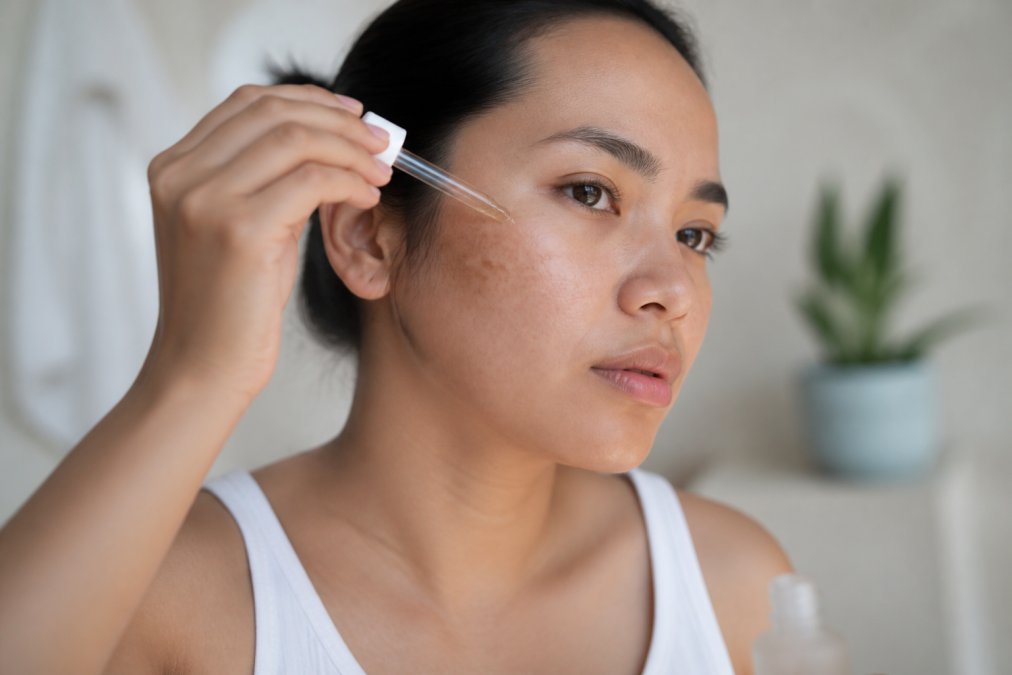
It also supports collagen synthesis, strengthening your skin barrier and creating a foundation for lasting improvement.
The Real Benefits of Vitamin C Serum for Dark Spots and Uneven Tone
A vitamin C serum can deliver noticeable brightening when formulated correctly. The key benefit is evening out your skin tone over time. Unlike spot treatments that target individual marks, vitamin C addresses the root cause of hyperpigmentation across your entire face.
Vitamin C promotes cell turnover, replacing darker, damaged cells with fresher skin, which is why results improve steadily over months.
Vitamin C works for both post-inflammatory hyperpigmentation and melasma by tackling melanin production at the source.
How Long to See Results from Vitamin C Serum
Most people notice subtle changes within 4-6 weeks: smoother, slightly brighter skin confirms the serum is working, though dark spots haven't fully faded.
Meaningful fading typically takes 8-12 weeks of daily morning use with SPF protection; skipping days or sun protection significantly slows progress.
Full results appear after 3-4 months of daily use; stubborn melasma or severe post-inflammatory hyperpigmentation may take longer.
Consistency is essential: your skin needs continuous vitamin C exposure to suppress melanin production and shed damaged cells. Missing applications resets progress.
| Timeline | What to Expect | Key Action |
|---|---|---|
| Weeks 1-3 | Smoother skin texture, slight radiance | Continue daily application |
| Weeks 4-8 | Visible brightening, spots begin fading | Maintain consistency, use SPF |
| Weeks 8-12 | Noticeable spot reduction, more even tone | Stay patient, avoid new sun damage |
| Months 3-4+ | Significant fading, lasting results | Maintain routine to prevent regression |
Vitamin C Serum vs. Glycolic Acid for Dark Spots
Both vitamin C and glycolic acid address hyperpigmentation, but they work through different mechanisms. Vitamin C prevents new melanin formation while also providing antioxidant protection. Glycolic acid physically exfoliates the outer skin layer, removing damaged, pigmented cells faster.
Glycolic acid delivers faster results by exfoliating dead cells, but doesn't address the root cause of melanin overproduction.
Vitamin C is gentler and prevents future hyperpigmentation, but requires 8-12 weeks for noticeable fading.
Many layer both for faster results: vitamin C provides prevention and antioxidant support while glycolic acid accelerates pigmented cell removal.
EVERGRENE's Glycolic Acid Serum combines exfoliation with hydration and antioxidant support. It evens hyperpigmentation while soothing skin with glycerin and vitamin E, making it effective for all skin types without harsh irritation.

How to Layer Vitamin C and Retinol in Your Routine
Layering vitamin C and retinol is possible but requires careful timing; both actives destabilize each other, so alternating nights is safest.
Apply vitamin C in the morning on dry skin, followed by moisturizer and SPF 30+. Its acidic pH preps skin for better absorption of other products and provides daytime antioxidant defense.
Use retinol at night 2-3 times weekly, starting at 0.25-0.5% and increasing over 4-6 weeks. Apply to dry skin, wait 20 minutes, then moisturize.
Critical ingredient conflicts to avoid:
Never combine vitamin C with AHAs or BHAs on the same day; both lower pH further, amplifying irritation. Use vitamin C mornings, acids 1-2 nights weekly, retinol 2-3 nights weekly, with at least one active-free night.
Layering retinol and vitamin C on the same night is possible but intense; apply vitamin C first, wait 15-20 minutes, then retinol.
Never use retinol in the morning; it degrades in sunlight and increases photosensitivity, raising sun damage and hyperpigmentation risk. Retinol is exclusively nighttime.
Your optimized routine structure:
- Morning: Cleanser → Vitamin C serum (wait 1 minute) → Moisturizer → SPF 30+
- Evening (retinol nights, 2-3x/week): Cleanser → Wait 20 minutes on dry skin → Retinol → Moisturizer
- Evening (exfoliant nights, 1-2x/week): Cleanser → Glycolic or salicylic acid → Moisturizer (skip vitamin C this morning)
- Evening (recovery nights, 2-3x/week): Cleanser → Hydrating serum or essence → Moisturizer
Chemical Stability and Oxidation: Why Formulation Matters
Vitamin C oxidizes when exposed to air, light, or heat, losing potency. Formulation quality determines whether you see results.
L-ascorbic acid is most stable but requires low pH (2.5-3.5). Stabilized derivatives like ascorbyl palmitate are gentler.
Choose opaque, airtight packaging; clear bottles expose vitamin C to constant degradation. Dark glass or aluminum preserves potency longer.
Fresh vitamin C is clear or pale yellow; brown or orange indicates oxidation and degradation. Poor storage can cause oxidation months before expiration.
Store vitamin C in a cool, dark place like a medicine cabinet; never leave on counters in sunlight. Heat accelerates oxidation dramatically.
Is Vitamin C Serum Right for Your Skin Type?
Vitamin C serum works for most skin types, but the right formulation, concentration, and introduction speed vary dramatically. Additionally, the type of hyperpigmentation you're treating, post-inflammatory hyperpigmentation (PIH) versus melasma, determines whether vitamin C alone will work or whether you need additional support.
Understanding your hyperpigmentation type first:
Post-inflammatory hyperpigmentation (PIH) appears after acne or skin injuries and fades gradually over months to years. Vitamin C accelerates melanin clearance and supports healing, with meaningful improvement in 8-12 weeks.
Melasma is chronic, symmetrical hyperpigmentation triggered by UV exposure, hormones, or genetics. Vitamin C alone is insufficient; you need SPF 50+ daily (non-negotiable), and vitamin C as support. Melasma requires 4-6 months minimum and recurs without permanent sun protection.
For oily and combination skin with PIH:
Use 15-20% L-ascorbic acid; oily skin tolerates its acidity well. Apply to clean skin before moisturizer. Vitamin C won't clog pores. For combination skin, apply only to hyperpigmented areas.
For dry skin with PIH:
Choose a stabilized derivative like ascorbyl palmitate (5-10% concentration) rather than L-ascorbic acid. Stabilized forms have a higher pH (5.5-6.5), are less irritating, and pair better with hydrating ingredients. Look for vitamin C serums that include hyaluronic acid, glycerin, or squalane to prevent dryness and irritation. Apply in the morning after a hydrating toner, then follow with a richer moisturizer. Dry skin benefits from vitamin C's antioxidant protection, but the active nature of L-ascorbic acid can trigger inflammation and compromise your barrier if introduced too quickly.
For sensitive skin with PIH:
Start with the lowest concentration available (5-10% ascorbyl palmitate) and use it just 2-3 times per week initially. Introduce it gradually over 6-8 weeks before moving to daily use. Sensitive skin benefits significantly from vitamin C's antioxidant protection and melanin suppression, but the active nature of the ingredient can trigger redness, stinging, and inflammation if introduced too quickly. Ascorbyl palmitate is a safer choice than L-ascorbic acid for sensitive skin because it has a gentler pH and lower irritation potential.
For all skin types with melasma:
Formulation markers for your skin type:
Conclusion: Making the Investment Decision
Is vitamin C serum worth it for hyperpigmentation? Yes, if you choose a stable, well-formulated product and commit to consistent use for at least 8-12 weeks. Vitamin C addresses the root cause of melanin overproduction while protecting your skin from future damage. Results are gradual but lasting.
Frequently Asked Questions
How long does it take for vitamin C serum to fade hyperpigmentation?
Most people notice improvements in dark spots and radiance within 4 to 8 weeks of consistent daily use, though full results can take 12 weeks or longer. Results depend on the serum's concentration of L-ascorbic acid, your skin type, sun protection habits, and the depth of the pigmentation. Post-inflammatory hyperpigmentation typically fades faster than melasma. Consistency matters, skipping applications will extend the timeline.
Can vitamin C serum be used with glycolic acid for dark spots?
Yes, vitamin C and glycolic acid can work together, but timing and pH matter. Apply vitamin C in the morning for antioxidant protection and tyrosinase inhibition, then use glycolic acid in the evening to exfoliate and remove dead skin cells that trap pigmentation. Start with lower concentrations of both to avoid irritation, and always follow with SPF during the day. If your skin is sensitive, introduce one product at a time.
What concentration of vitamin C serum works best for hyperpigmentation?
L-ascorbic acid concentrations between 10% and 20% are most effective for brightening and addressing dark spots. Concentrations below 10% may not deliver visible results, while 20% or higher can cause irritation in sensitive skin. The pH should be 3.5 or lower for proper absorption into the dermal layer. Look for serums that also include stabilizing ingredients to prevent oxidation, which reduces efficacy.
Does vitamin C serum work for all skin types?
Vitamin C serum benefits most skin types, but sensitive or reactive skin may need a gentler approach. Those with oily skin often tolerate it well, while dry skin benefits from the antioxidant support and collagen synthesis boost. If you have very sensitive skin or active inflammation, start with a lower concentration or introduce it slowly. Always patch test first and avoid using it with other strong actives initially.