
Signs of Retinol Burn on Sensitive Skin: What to Do
Table of Contents
- Signs of Retinol Burn on Sensitive Skin
- Retinol Purging vs Irritation: How to Tell Them Apart
- How to Repair Damaged Skin Barrier After Retinol
- The Retinol Sandwich Method for Sensitive Skin
- Preventing Retinol Burn: Frequency, Amount, and SPF
- When to Stop Retinol and See a Dermatologist
- Conclusion
- Frequently Asked Questions
Last Updated: October 20, 2026
Signs of Retinol Burn on Sensitive Skin
Retinol burn is a form of irritant contact dermatitis caused by overuse or rapid introduction of vitamin A, and it shows up as redness, stinging, tightness, and peeling. If you have sensitive skin, those signs can appear within hours of your first strong application. This guide from EVERGRENE walks through what to look for, how to calm the reaction, and how to restart without repeating the mistake.
The tricky part is that retinol irritation often looks like progress at first.
Sensitive skin has a thinner barrier and fewer lipids to buffer active ingredients. So a dose that feels mild on someone else can land hard on you. That's not a sign your skin is "weak." It's a sign the dose, the frequency, or the delivery format was wrong for your skin.
Below, we'll show you exactly how to read the early warning signs, treat a burn at home, and rebuild your routine so it holds up over time.
Redness, Stinging, and Tightness: The First 48 Hours
The earliest signs of retinol burn on sensitive skin appear fast, usually within 24 to 48 hours of application. Watch for a warm, flushed patch that doesn't fade, a sting when you apply plain water or moisturizer, and a tight, "shrink-wrapped" feeling across the cheeks and around the nose and mouth.
That stinging is the tell. A healthy barrier tolerates water without complaint. When water stings, the barrier is already compromised.
Other early signals to track:
- Pink or red patches that stay put for hours
- A burning sensation that builds after you apply anything
- Skin that feels rough to the touch but looks normal in the mirror
- Slight swelling around the eyes or mouth
Peeling, Flaking, and Raw Patches
Days three through seven are when peeling starts, and this is where people misread their skin. Flaking around the nose and mouth is common and usually mild. Raw, shiny, or weeping patches are not.
Here's the difference that matters:
- Flaking: dry sheets of dead skin, no pain, no oozing
- Peeling: visible shedding with mild sensitivity underneath
- Raw patches: shiny, tight, painful skin that stings constantly
Raw patches mean the barrier is open. Don't exfoliate them, don't scrub them, and don't "peel off" the loose skin. Let it shed on its own.
Retinol Purging vs Irritation: How to Tell Them Apart
Retinol purging is a temporary breakout of small bumps and whiteheads in areas where you already break out, and it settles within a few weeks. Irritation is redness, stinging, and peeling that spreads beyond your usual breakout zones and gets worse with each application.
The location is your best clue. Purging stays in your typical problem areas, usually the chin, jawline, and forehead. Irritation shows up wherever the product touched, including cheeks and neck, and it doesn't calm down between uses.
| Signal | Purging | Irritation |
|---|---|---|
| Timing | Weeks 2-6 | Within 48 hours |
| Location | Usual breakout zones | Anywhere product touched |
| Sensation | Mild or none | Stinging, burning |
| Trend over time | Improves | Worsens |
| What helps | Patience, steady use | Stop, repair barrier |
If you're unsure, pause for five days. Purging fades when you stop. Irritation improves too, but it comes back fast when you restart at the same dose.
How to Repair Damaged Skin Barrier After Retinol
Stop all actives, including retinol, glycolic acid, and vitamin C, and switch to a bare-bones routine of gentle cleanser, hydrating serum, moisturizer, and sunscreen. Barrier repair takes roughly one to two weeks for mild irritation and longer for raw patches.
The goal is boring skincare. No exfoliation, no hot water, no fragrances, no scrubs.
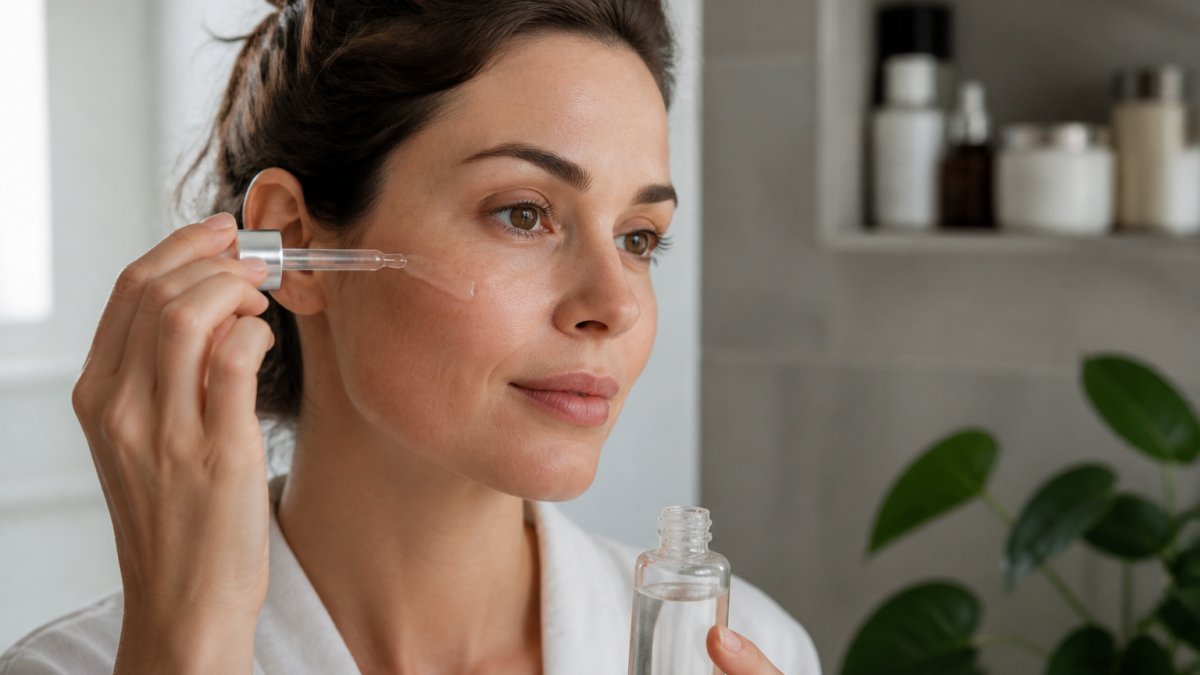
A Simple Barrier-Repair Routine
Keep it to four steps, morning and night:
- Cleanse with a fragrance-free, non-foaming cleanser and lukewarm water.
- Hydrate with a hyaluronic acid serum on damp skin to pull water into the surface layers.
- Seal with a moisturizer that contains panthenol or fatty acids to support the barrier.
- Protect with broad-spectrum SPF 30 or higher every morning, even indoors near windows.
Our Hyaluronic Acid Serum fits step two well because it layers under almost anything and suits all skin types. Follow it with our Oil-Free Daily Moisturizer, which is built for sensitive skin and includes panthenol to help calm redness and support barrier function. Two products, no guesswork.


The Retinol Sandwich Method for Sensitive Skin
The retinol sandwich method means applying moisturizer, then retinol, then another layer of moisturizer. The buffering layers slow absorption, which lowers the chance of a burn without cancelling out retinol's benefits.
It's the single most useful technique for sensitive skin, and it costs you nothing but two extra minutes.
How to do it:
- Wash and dry your face completely
- Apply a thin layer of moisturizer and let it set for two minutes
- Apply a pea-sized amount of retinol to the whole face, avoiding eyes and lips
- Wait two minutes, then seal with a second layer of moisturizer
Start with twice a week. Add a third night only after two full weeks with no stinging.
Preventing Retinol Burn: Frequency, Amount, and SPF
Most retinol burns come from three mistakes: starting too strong, using too much, and skipping sunscreen. Fix those and sensitive skin can usually tolerate retinol well.
The amount matters more than people expect. A pea-sized amount covers the entire face. More product doesn't mean faster results, it means more irritation.
A workable prevention plan:
- Start with two nights per week for the first month
- Use the sandwich method every time
- Never apply retinol to damp skin
- Skip retinol on nights you've exfoliated
- Wear SPF 30 or higher daily, and reapply if you're outside
Retinol makes skin more sun-sensitive, so daily sunscreen isn't optional. The American Academy of Dermatology's sunscreen guidance is a solid reference for choosing and applying SPF correctly.
When to Stop Retinol and See a Dermatologist
Stop retinol and call a dermatologist if you have raw, weeping skin, swelling that spreads, blistering, or irritation that hasn't improved after two weeks of barrier repair. Those signs go beyond a simple burn.
Also seek care if you notice:
- Pain that gets worse instead of better
- Yellow crusting or signs of infection
- A rash that spreads to your neck and eyelids
- No improvement after 14 days of gentle care
The American Academy of Dermatology's guidance on retinol and retinoids notes that irritation is the most common side effect and that a dermatologist can help you find a strength and schedule that works. For anyone with rosacea, eczema, or a history of reactions, a professional opinion is worth the appointment.
Conclusion
Retinol works, but sensitive skin needs a slower on-ramp than most labels suggest. Read the early signs, stop at the first sting, and rebuild with hydration and patience.
At EVERGRENE, we build simple, high-quality formulas for exactly this situation. Our Hyaluronic Acid Serum and Oil-Free Daily Moisturizer give you a hydration and barrier-support pair that fits into any routine, with no extra steps to remember. Get started with EVERGRENE and give your skin the calm, consistent care it needs to handle retinol well.
Frequently Asked Questions
Does retinol burn mean it's working?
No. A warm tingle that fades within minutes can be normal, but burning, stinging that lingers, and visible redness are signs of irritation, not efficacy. Retinol works by speeding up cell turnover over weeks, and you can get results without a reaction. If your skin burns, back off: stop the retinol for a few days, focus on gentle hydration, and restart at a lower frequency once skin feels calm.
How long does retinol burn last on sensitive skin?
Mild redness and flaking usually settle within 3 to 7 days once you stop the retinol and focus on barrier support. More intense burning or raw patches can take 1 to 2 weeks. If symptoms worsen after a week, or you develop swelling, blisters, or oozing, stop all actives and see a dermatologist. Sensitive skin tends to react faster, so restart slowly, once or twice a week, and buffer with moisturizer.
What is the difference between retinol purging and irritation?
Purging shows up as small whiteheads and blackheads in areas where you already break out, and it typically starts in the first few weeks and fades. Irritation looks different: redness, stinging, peeling, and tightness, often in patches where you applied the product. Purging improves as skin adjusts; irritation gets worse with continued use. If your skin stings when you apply moisturizer, that points to irritation, not purging.
Can I use moisturizer to prevent retinol burn?
Yes, and it is one of the simplest safeguards. Apply a hydrating moisturizer before your retinol and again after, a technique known as the retinol sandwich method. Look for barrier-friendly ingredients like panthenol, glycerin, and hyaluronic acid. A lightweight, oil-free formula such as EVERGRENE's Oil-Free Daily Moisturizer ($45.00) contains panthenol to help reduce redness and support the skin barrier, making it a practical buffer step for sensitive skin.