
7 Best Simple Skincare Products for Dry Skin 2026
Table of Contents
- Quick Comparison: 7 Best Simple Skincare Products for Dry Skin 2026
- How to Fix Dull Dehydrated Skin with a Simple Routine
- 1. Kale Face Cleanser: Gentle Hydration for Dry Skin
- 2. Hyaluronic Acid Serum: Deep Moisture for Dry Skin
- 3. Oil-Free Daily Moisturizer: Lightweight Barrier Repair
- 4. Anti-aging Rose Gold Oil: Overnight Nourishment for Dry Skin
- The Benefits of Glycolic Acid for Dry Skin
- How to Layer Skincare Products for Maximum Hydration
- Frequently Asked Questions
Last Updated: September 15, 2026
Quick Comparison: 7 Best Simple Skincare Products for Dry Skin 2026
Finding the 7 best simple skincare products for dry skin 2026 comes down to one principle: fewer steps, better ingredients. At EVERGRENE, we built our entire product line around that idea, because most dry skin routines fail not from too few products but from too many competing formulas.
Dry skin affects millions of adults, and the fix is rarely a ten-step routine. It is a short, consistent one built on humectants, emollients, and occlusives that work together. Below, we break down each product, what it does, and how to layer it so your skin actually holds moisture.
| Product | Price | Key Ingredients | Best For |
|---|---|---|---|
| Kale Face Cleanser | $42.60 | Kale protein, aloe, green tea | Gentle daily cleansing |
| Hyaluronic Acid Serum | $34.00 | Hyaluronic acid, glycerin | Deep hydration |
| Oil-Free Daily Moisturizer | $45.00 | Squalane, panthenol | Lightweight barrier repair |
| Anti-aging Rose Gold Oil | $41.60 | Rosehip, omega fatty acids | Overnight nourishment |
How to Fix Dull Dehydrated Skin with a Simple Routine
Dehydrated skin lacks water, not oil, which is why it can feel tight and look dull even when you moisturize. The fix is a routine that pulls water into the skin and then seals it there.

A common mistake is over-cleansing with harsh foaming washes that strip the lipid barrier (the American Academy of Dermatology). That triggers transepidermal water loss, the process where moisture escapes through the skin's surface. The American Academy of Dermatology guidance on dry skin recommends short, lukewarm cleansing and immediate moisturizing to limit that loss.
The simple approach: cleanse gently, apply a hydrating serum to damp skin, seal with a moisturizer, and add an oil at night. That is four products, not ten. Consistency matters more than complexity, and results typically show within two to three weeks of daily use.
1. Kale Face Cleanser: Gentle Hydration for Dry Skin
The Kale Face Cleanser is the starting point for anyone with dry, reactive skin. Its sulfate-free base uses disodium cocoamphoacetate and decyl glucoside, which lift dirt without stripping the lipid barrier the way traditional foaming cleansers do.

Kale protein protects the skin's natural moisture barrier, while aloe vera and green tea deliver hydration during the wash itself. Carrot and lemon amino acids help plump the skin, so it does not feel tight after rinsing.
Pros: Fragrance-free formula, vegan, and gentle enough for morning and night use. Cons: The 5 fl. oz. bottle runs $42.60, higher than drugstore cleansers, though a little lathers further than most.
EVERGRENE Kale Face Cleanser
2. Hyaluronic Acid Serum: Deep Moisture for Dry Skin
Hyaluronic acid is a humectant, meaning it draws water into the upper layers of skin. The Hyaluronic Acid Serum pairs sodium hyaluronate with glycerin, a combination that boosts moisture retention and brings visible bounce back to dull skin.
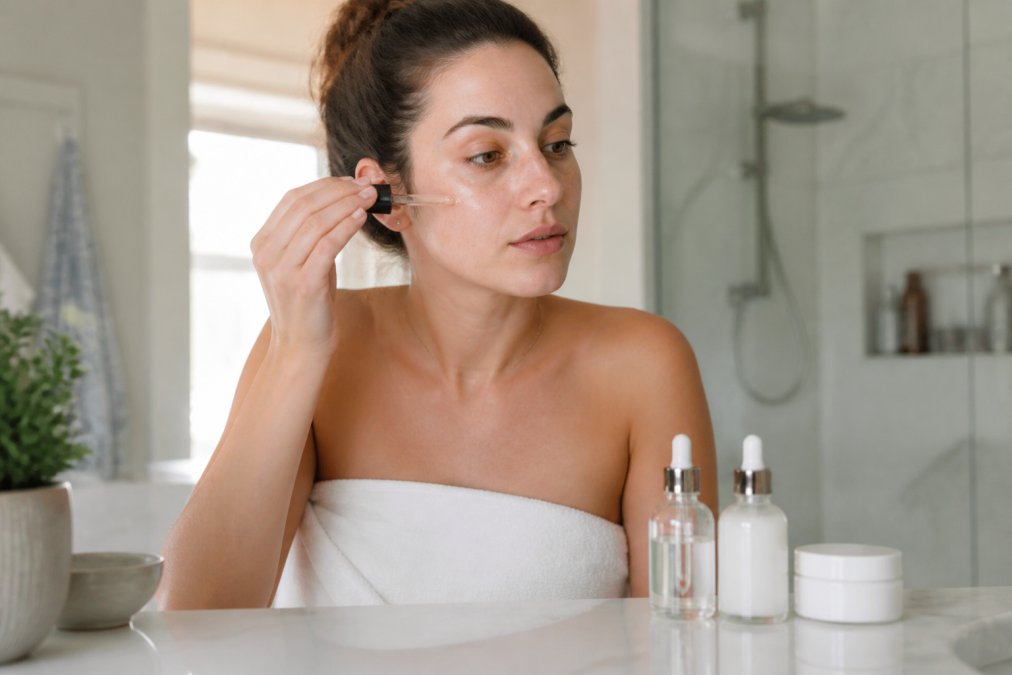
Apply two to three drops to damp skin, then follow with moisturizer to lock it in. Used this way, it supports elasticity and softens the look of fine lines caused by dehydration. It is paraben-free, vegan, and suitable for all skin types, including sensitive skin.
Pros: Lightweight, absorbs fast, layers under anything. Cons: Needs a moisturizer on top, since humectants alone can pull moisture back out in dry air.
EVERGRENE Hyaluronic Acid Serum
3. Oil-Free Daily Moisturizer: Lightweight Barrier Repair
Barrier repair is where most dry skin routines succeed or fail, and this moisturizer handles it without a greasy finish. It combines squalane and fatty acids to create a breathable seal, plus panthenol to calm redness and support the skin barrier.
The formula is non-comedogenic, so it keeps pores clear while still delivering all-day hydration. Amino acids and a vitamin E derivative round it out, defending against environmental stress. Apply after serum, morning and night, and follow with SPF during the day.
Pros: Works for sensitive and combination skin, layers cleanly under makeup. Cons: The 1.5 fl. oz. size is smaller than some competitors, so heavy users may repurchase sooner.
[EVERGRENE Oil-Free Daily Moisturizer(/products/oil-free-daily-moisturizer) | evergrene.online]
4. Anti-aging Rose Gold Oil: Overnight Nourishment for Dry Skin
Occlusives seal moisture in overnight, and this rosehip-based oil is the final step in a dry skin routine. Omega fatty acids help regulate oil production and balance hydration, while antioxidants support the skin's natural repair process during sleep.
Warm two to three drops between your palms and press into the face and neck after moisturizer. During cold winter months, mix a drop into your moisturizer for extra protection against dry indoor air.
Pros: Multi-purpose, absorbs without heaviness, vegan and paraben-free. Cons: Contains fragrance, so patch-test first if your skin is highly reactive.
[EVERGRENE Anti-aging Rose Gold Oil(/products/anti-aging-rose-gold-oil) | evergrene.online]
The Benefits of Glycolic Acid for Dry Skin
Glycolic acid is an alpha-hydroxy acid (AHA) that dissolves the bonds holding dead cells together, and for dry skin it offers a specific advantage: it smooths flaky texture so moisturizers absorb evenly instead of sitting on top of dead skin. But the way you use it matters more than whether you use it, and most guides skip the part that actually determines whether it helps or hurts.
Many people assume exfoliation is off-limits for dry skin. The opposite is true when you do it gently. Start with one application per week, build to two or three, and always follow with a hydrating serum and moisturizer. Over-exfoliating is the real risk, not exfoliation itself. The U.S. Food and Drug Administration overview of cosmetic ingredients notes that AHAs can increase sun sensitivity, so daily SPF is non-negotiable when you use them.
How Glycolic Acid Fits a Dry Skin Routine
Glycolic acid belongs in the evening, after cleansing and before your hydrating serum. Here is the sequence that works:
- Cleanse with a gentle, pH-balanced cleanser.
- Apply glycolic acid to dry skin (not damp, water can increase penetration and irritation).
- Wait 2-3 minutes for it to neutralize.
- Apply your hyaluronic acid serum to damp skin.
- Seal with moisturizer, then facial oil if your skin is very dry.
Do not layer glycolic acid with retinol, vitamin C, or benzoyl peroxide on the same night. That combination is a common cause of barrier damage in people who are already prone to dryness.
Seasonal Adjustments for Glycolic Acid
This is where most guides stop, and where dry skin actually gets complicated. Glycolic acid is not a year-round product for everyone.
- Winter: Cut back to once every 10-14 days, or pause entirely during cold snaps.
Who Should Skip It
Where It Fits in the 7 Products
How to Layer Skincare Products for Maximum Hydration
The Correct Sequence
Why the Order Works: The Mechanism
Seasonal Adjustments to Your Layering
Ingredients to Avoid When Layering
Common Layering Mistakes
Frequently Asked Questions
What is the most effective simple skincare routine for dry skin?
A simple routine for dry skin includes a gentle cleanser, a hydrating serum, a moisturizer, and sunscreen. Cleanse with a product like Kale Face Cleanser, apply Hyaluronic Acid Serum to damp skin, lock in moisture with Oil-Free Daily Moisturizer, and finish with SPF in the morning. At night, you can add a facial oil like Anti-aging Rose Gold Oil for extra nourishment. This four-step routine takes less than five minutes and supports your skin barrier.
Which ingredients should I look for in skincare for dry skin?
Look for humectants like hyaluronic acid and glycerin to draw water into the skin, emollients like squalane and shea butter to smooth texture, and occlusives like rosehip oil to seal in moisture. Ceramides and panthenol help repair the lipid barrier. Avoid alcohol and fragrance if your skin is sensitive. Products like EVERGRENE's Hyaluronic Acid Serum and Oil-Free Daily Moisturizer contain many of these beneficial ingredients.
How can I fix dull, dehydrated skin with a simple routine?
To fix dull, dehydrated skin, focus on hydration and gentle exfoliation. Use a hydrating cleanser, then layer a hyaluronic acid serum on damp skin, followed by a moisturizer with ceramides. Once or twice a week, use a glycolic acid product to remove dead skin cells and brighten your complexion. Always follow with a rich moisturizer and sunscreen during the day. Consistency is key; you may see improvement in two to four weeks.
How often should I exfoliate if I have dry skin?
For dry skin, exfoliate gently one to two times per week. Use a chemical exfoliant like glycolic acid, which dissolves dead skin cells without scrubbing. Start with once a week and increase if your skin tolerates it well. Over-exfoliating can damage your skin barrier, leading to more dryness and irritation. Always follow with a hydrating serum and moisturizer to replenish your skin.
What is the difference between dry skin and dehydrated skin?
Dry skin lacks oil (lipids) and often feels rough, flaky, or tight. Dehydrated skin lacks water and can feel dull, itchy, or show fine lines even if it's oily. You can have both conditions at once. For dry skin, use occlusive moisturizers and oils. For dehydrated skin, focus on humectants like hyaluronic acid and drink plenty of water. A simple routine with EVERGRENE's Hyaluronic Acid Serum and Oil-Free Daily Moisturizer addresses both.
Dry skin rarely needs more products. It needs the right four, used in the right order, every day. EVERGRENE builds its line around exactly that: a fragrance-free Kale Face Cleanser, a glycerin-rich Hyaluronic Acid Serum, an Oil-Free Daily Moisturizer with squalane and panthenol, and an Anti-aging Rose Gold Oil for overnight barrier support. Get started with EVERGRENE and build a simple routine your skin can actually keep up with.