
Best Skincare Brands for Hydration 2026
Table of Contents
- Quick Comparison: Top Hydrating Skincare Brands
- How to Choose a Hydrating Skincare Brand for Your Skin Type
- How to Fix Dull Dehydrated Skin with the Right Products
- Best Hydrating Serums for Dry Skin
- Affordable vs. Luxury Skincare Hydration: What You Actually Need to Spend
- Key Ingredients That Deliver Real Hydration Results
- Building Your Complete Hydration Routine
Last Updated: August 28, 2026
Quick Comparison: Top Hydrating Skincare Brands
When your skin feels tight, dull, and uncomfortable, the right hydrating skincare brand can transform your complexion in weeks. The challenge isn't finding products that claim to hydrate, it's finding ones that actually deliver results without breaking your budget or overwhelming your routine.
At EVERGRENE, we've tested and curated hydrating skincare brands that prioritize real ingredients over marketing hype. The difference between an effective hydrating product and an overhyped one often comes down to three factors: ingredient quality, formulation science, and whether the brand actually understands skin barrier function.
| Brand | Best For | Starting Price | Key Ingredient | Why It Works |
|---|---|---|---|---|
| EVERGRENE | All skin types seeking complete hydration | $34-$62.40 | Hyaluronic acid + plant-based hydrators | Combines proven humectants with occlusive support for lasting moisture |
| Brands with hyaluronic acid focus | Dehydrated, sensitive skin | $25-$60 | Sodium hyaluronate | Draws moisture into skin and holds it there |
| Ceramide-rich brands | Compromised skin barriers | $30-$75 | Ceramides + cholesterol | Rebuilds lipid barrier to prevent water loss |
| Peptide-forward brands | Fine lines + hydration | $40-$80 | Peptide complexes | Supports elasticity while maintaining hydration |
The brands that rank highest for hydration share one trait: they use layered formulations that combine humectants (ingredients that draw water in), emollients (ingredients that soften skin), and occlusives (ingredients that seal moisture). Most hydrating serums and moisturizers fail because they skip one of these three steps.

How to Choose a Hydrating Skincare Brand for Your Skin Type
Picking the right hydrating brand depends on understanding your specific skin concern. Dehydration isn't one-size-all, it manifests differently depending on whether you have oily, combination, sensitive, or mature skin.
For oily and combination skin: Look for oil-free hydrating formulas that use lightweight humectants like glycerin and hyaluronic acid without heavy occlusive layers. EVERGRENE's Oil-Free Daily Moisturizer ($45.00) delivers all-day hydration without a greasy finish, making it ideal for skin that needs moisture but resists thick creams. The formula includes panthenol and amino acids that support skin barrier function while keeping pores clear.

For sensitive skin: Choose brands that emphasize ceramides, colloidal oatmeal, and minimal fragrance. Sensitivity often masks dehydration, inflamed skin can't retain moisture effectively. EVERGRENE's Embrace Collagen Moisturizer ($62.40) combines colloidal oatmeal with collagen and vitamin E, addressing both hydration and the inflammatory component of sensitive skin.
For mature skin: Prioritize peptide complexes and antioxidant-rich formulations that hydrate while supporting elasticity. Fine lines become more pronounced when skin is dehydrated, so a hydrating routine is foundational before adding targeted anti-aging treatments.
For normal to dry skin: You have flexibility to use richer formulations. EVERGRENE's Hyaluronic Moisturizer ($62.40) combines hyaluronic acid with tamarindus indica seed gum and shea butter, delivering both immediate hydration and long-lasting moisture lock.
The mistake most people make is treating hydration as a single-step problem. Effective hydration requires a sequence: cleanse gently, apply a hydrating serum, seal with a moisturizer, and protect with SPF during the day.
How to Fix Dull Dehydrated Skin with the Right Products
Dull, dehydrated skin has a specific texture: it looks flat, feels tight, and often shows exaggerated fine lines and uneven tone. This isn't just a cosmetic concern, dehydrated skin has a compromised barrier, meaning it's losing water faster than it can absorb it.
The first step is to stop stripping your skin. Many people with dull, dehydrated skin are over-exfoliating or using harsh cleansers. Switch to a gentle, hydrating cleanser like EVERGRENE's Kale Face Cleanser ($42.60), which removes oils and impurities without disrupting the skin barrier. The formula includes kale protein, aloe vera, and green tea to cleanse while maintaining hydration.
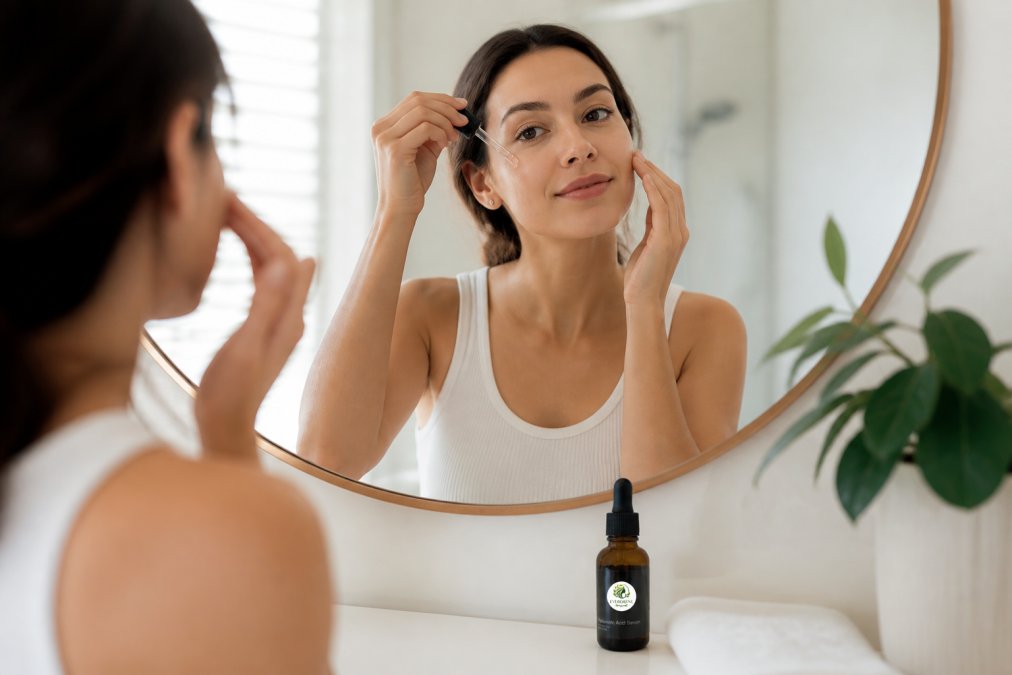
Next, layer hydration strategically. Apply a hydrating serum immediately after cleansing while skin is still slightly damp. EVERGRENE's Hyaluronic Acid Serum ($34.00) uses sodium hyaluronate to draw moisture into the skin, plus glycerin to support barrier function. Apply 2-3 drops to damp skin, then follow immediately with a moisturizer to seal in that hydration.

The final step is occlusion. A moisturizer alone won't fix dehydrated skin, you need an occlusive layer to prevent transepidermal water loss. This is where most people fail. They apply serum and assume they're done. Occlusives like squalane, ceramides, and plant oils create a protective barrier that keeps water inside the skin. Use a richer moisturizer at night, and a lighter one during the day if your skin is oily.
Many people see results in 1-2 weeks of consistent hydration (peer-reviewed research). Dullness lifts as the skin barrier repairs, fine lines plump slightly, and texture smooths. If you're not seeing improvement after 3 weeks, your skin barrier may need additional support, consider adding a product with ceramides or colloidal oatmeal.
Best Hydrating Serums for Dry Skin
Hydrating serums are the foundation of any effective moisture routine. They deliver concentrated hydrating ingredients directly to the skin before you seal them in with a moisturizer.
The best hydrating serums for dry skin use hyaluronic acid as their primary active ingredient. Hyaluronic acid is a humectant, it binds water molecules and pulls them into the skin. A single molecule of hyaluronic acid can hold up to 1,000 times its weight in water, making it one of the most effective hydrating ingredients available (peer-reviewed research).
EVERGRENE's Hyaluronic Acid Serum stands out because it combines hyaluronic acid with glycerin, another powerful humectant. Glycerin not only draws water into the skin but also supports barrier function and brings elasticity back to dehydrated skin. The formula is suitable for all skin types, including sensitive skin, and can be used daily or layered throughout the day for extra hydration maintenance.
Application matters as much as formulation. Apply serum to damp skin, this gives the hyaluronic acid more water to work with. Massage gently into the skin using upward strokes, then follow immediately with a moisturizer. If you apply serum to completely dry skin and don't seal it with a moisturizer, the hyaluronic acid can actually draw water from deeper skin layers, worsening dehydration.
For very dry skin, consider layering two serums: a hydrating serum first, then a serum with peptides or antioxidants. This builds hydration while adding additional skin-supporting benefits.
Affordable vs. Luxury Skincare Hydration: What You Actually Need to Spend
The skincare industry has convinced consumers that hydration requires expensive products. This isn't true. What matters is ingredient quality and formulation, not price tag.
A hydrating product works because of what it contains, not how much it costs. Hyaluronic acid, glycerin, ceramides, and squalane are inexpensive ingredients that work equally well whether they're in a $20 product or a $100 one. The price difference typically reflects packaging, marketing, and brand positioning, not ingredient efficacy.
EVERGRENE's approach is to deliver professional-grade hydration at reasonable prices. The Hyaluronic Acid Serum ($34.00) uses the same active ingredients found in luxury serums costing $60-$100. The Hyaluronic Moisturizer ($62.40) combines hyaluronic acid with tamarindus indica seed gum and shea butter, a formulation strategy used by luxury brands but priced for accessibility.
That said, some price differences do reflect real value. Luxury brands may use:
- Higher concentrations of active ingredients
- Proprietary delivery systems that enhance absorption
- Additional supporting ingredients like antioxidants or peptides
- More extensive stability testing and shelf-life optimization
For basic hydration, affordable products work well. For targeted concerns like fine lines plus hydration or sensitive skin barrier repair, you might justify spending more for additional ingredients. The key is knowing what you're paying for.
Key Ingredients That Deliver Real Hydration Results
Not all hydrating ingredients are equal. Understanding which ones actually work helps you evaluate products beyond marketing claims.
Hyaluronic acid (sodium hyaluronate): This is the gold standard humectant. It draws water into the skin and holds it there, plumping the skin and reducing the appearance of fine lines. Look for products that list it in the first five ingredients. EVERGRENE uses sodium hyaluronate in both the Hyaluronic Acid Serum and the Hyaluronic Moisturizer.
Glycerin: A humectant that works synergistically with hyaluronic acid. It draws water into the skin while supporting barrier function and elasticity. Glycerin is particularly effective for sensitive skin because it soothes while hydrating.
Ceramides: These are lipid molecules that form part of your skin's natural barrier. When your barrier is compromised, ceramides help rebuild it, preventing water loss. Ceramides are essential for dehydrated skin with sensitivity or inflammation.
Squalane: An emollient derived from plant sources that mimics your skin's natural oils. Unlike heavy oils, squalane absorbs quickly and doesn't leave a greasy residue. It's ideal for oily skin that's also dehydrated.
Peptides: Amino acid chains that support collagen production and skin elasticity. Peptides hydrate while also addressing fine lines and texture, making them valuable for mature skin.
Tamarindus indica seed gum: A plant-based hydrator that provides optimal skin hydration and complements hyaluronic acid. This ingredient is less common but highly effective. EVERGRENE uses it in the Hyaluronic Moisturizer for enhanced hydration support.
Colloidal oatmeal: A soothing ingredient with anti-inflammatory properties that locks in moisture while calming irritation. It's particularly valuable for sensitive, dehydrated skin. EVERGRENE's Embrace Collagen Moisturizer uses colloidal oatmeal as a key component.
The most effective hydrating products layer these ingredients strategically. A serum delivers concentrated humectants, while a moisturizer combines emollients and occlusives to seal everything in. This combination, humectants + emollients + occlusives, is what dermatologists recommend for treating dehydration.
Building Your Complete Hydration Routine
A complete hydration routine doesn't require ten products. It requires the right sequence of four to five products used consistently.
Step 1: Gentle Cleanser (morning and night) Start with EVERGRENE's Kale Face Cleanser ($42.60). A gentle cleanser removes impurities without stripping the skin barrier. The formula includes kale protein, aloe vera, and green tea to maintain hydration while cleansing. Apply to damp skin, lather gently, and rinse thoroughly.
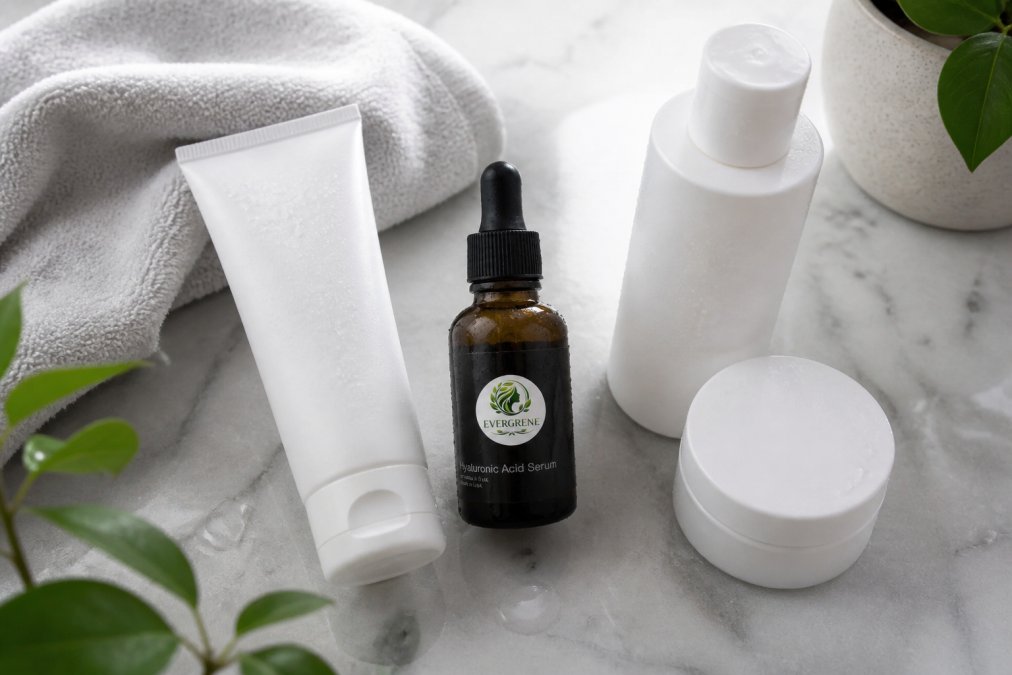
Step 2: Hydrating Serum (morning and night) Apply EVERGRENE's Hyaluronic Acid Serum ($34.00) to damp skin immediately after cleansing. Use 2-3 drops, massage gently into the face and neck, and allow 30 seconds for absorption before moving to the next step. This serum delivers concentrated hyaluronic acid and glycerin directly to the skin.
Step 3: Moisturizer (morning and night) Choose a moisturizer based on your skin type. For daytime, the Oil-Free Daily Moisturizer ($45.00) provides hydration without a greasy finish. For nighttime, the Hyaluronic Moisturizer ($62.40) offers richer hydration with tamarindus indica seed gum and shea butter. Apply to face and neck using upward, circular motions.
Step 4: SPF (daytime only) Apply a broad-spectrum SPF 30 or higher after your moisturizer (the American Academy of Dermatology). Sun exposure accelerates skin barrier damage and dehydration, so protecting your skin is essential for maintaining hydration gains.
Optional Step 5: Targeted Treatment (2-3 times per week) If your skin needs additional exfoliation to remove buildup that prevents hydration absorption, use EVERGRENE's Mint Exfoliating Facial Polish ($52.60). The formula gently buffs away dry skin while maintaining moisture with apricot oil. Use no more than twice per week to avoid over-exfoliating.
This routine takes approximately 5 minutes and addresses all three components of effective hydration: cleansing, hydrating, and sealing. Most people see visible improvements in skin texture, dullness, and fine lines within 2-3 weeks of consistent use.
Dehydrated skin is one of the most common skincare concerns, yet it's also one of the most fixable. The right combination of hydrating ingredients, applied in the correct sequence, can restore your skin's moisture balance and transform its appearance. EVERGRENE's curated collection of hydrating products, from the Hyaluronic Acid Serum to the Hyaluronic Moisturizer, delivers professional-grade hydration without the complexity or cost of luxury skincare. Start with a gentle cleanser, add a hydrating serum, seal with a moisturizer, and watch your skin transform in weeks. Your best skincare brands for hydration 2026 are the ones you'll actually use consistently.
Frequently Asked Questions
Q: What is the best skincare product for hydration?
A: The best hydrating product depends on your skin type and needs. For lightweight hydration, a hyaluronic acid serum like EVERGRENE's Hyaluronic Acid Serum ($34.00) works well for all skin types. For deeper moisture and overnight recovery, the Hyaluronic Moisturizer ($62.40) combines hyaluronic acid with tamarindus indica seed gum to lock in moisture and provide a plumping effect. If you have sensitive skin, the Oil-Free Daily Moisturizer ($45.00) delivers hydration without irritation using panthenol and amino acids to support the skin barrier.
Q: What ingredients should I look for in a hydrating serum?
A: Look for humectants like hyaluronic acid and glycerin, which draw moisture into the skin. Ceramides and squalane are excellent emollients that seal in hydration and support your skin barrier. Peptide complexes improve elasticity, while antioxidants like green tea extract protect against environmental damage. EVERGRENE's Hyaluronic Acid Serum includes hyaluronic acid and glycerin to deeply moisturize and regenerate elasticity. Avoid products with fragrance if you have sensitive skin.
Q: How do I choose a hydrating brand for my skin type?
A: Start by identifying whether your skin is dry, oily, combination, or sensitive. Dry skin benefits from rich creams with occlusives like shea butter and collagen; EVERGRENE's Embrace Collagen Moisturizer ($62.40) is formulated with colloidal oatmeal and collagen for this purpose. Oily and sensitive skin need lightweight, non-comedogenic formulas like the Oil-Free Daily Moisturizer. Always check ingredient lists for known irritants and patch test new products.
Q: Can I use hydrating serums and moisturizers together?
A: Yes, layering a serum before moisturizer is an effective hydration strategy. Apply your serum to clean, slightly damp skin first, then follow with a moisturizer to seal in the serum's benefits. This approach maximizes moisture retention and supports your skin barrier. EVERGRENE's Hyaluronic Acid Serum works well under any of their moisturizers. The serum delivers active hydrating ingredients while the moisturizer locks them in with emollients and occlusives. This combination is especially beneficial for dehydrated or dry skin.
This article was written using GrandRanker