
Calming Face Masks for Inflamed Sensitive Skin
Table of Contents
- Why Calming Face Masks Matter for Inflamed Sensitive Skin
- Key Ingredients That Reduce Redness and Soothe Irritation
- Face Masks for Redness: What to Look For
- How to Calm Irritated Skin on Your Face: A Safe Approach
- DIY Face Mask for Sensitive Skin: Formulas You Can Make at Home
- Building a Complete Routine Beyond Masks
- Frequently Asked Questions
Last Updated: October 12, 2026
Why Calming Face Masks Matter for Inflamed Sensitive Skin
When your skin barrier is compromised, even gentle products can feel like they're working against you. Calming face masks for inflamed sensitive skin combine soothing ingredients with barrier-repair support, delivering targeted relief without triggering further irritation.
The difference between a regular moisturizer and a calming mask lies in contact time and ingredient concentration. Masks sit on your skin for 10-20 minutes, allowing actives to penetrate deeply.
At EVERGRENE, we focus on products that simplify routines while delivering measurable results.
Key Ingredients That Reduce Redness and Soothe Irritation
Not every "calming" ingredient is calming for every person. These have the strongest track record for inflamed, reactive skin, but each carries caveats worth knowing.
Barrier-Repair Ingredients
Your skin barrier is your first line of defense. When it's damaged, irritation compounds, so barrier-repair ingredients should be your priority.
Panthenol (provitamin B5) is one of the most effective barrier-repair agents. Our Oil-Free Daily Moisturizer includes panthenol specifically for this reason, helping sensitive skin recover its protective layer.

Ceramides are lipids that naturally exist in your skin barrier, filling gaps between cells and locking in moisture. Look for ceramide-rich masks if your skin feels tight, dry, or reactive.
Allantoin accelerates skin healing and reduces inflammation, particularly for irritated, raw-feeling skin. Many clinical formulations include it because the evidence for its calming effect is strong and consistent.
Colloidal oatmeal is one of the few soothing ingredients with a formal regulatory pathway for skin-protectant claims. It contains avenanthramides, which appear to reduce inflammatory signaling, plus hydrating beta-glucans.
Natural Soothing Agents
Natural ingredients bring efficacy and gentleness, but "natural" isn't a synonym for "safe" on compromised skin. Botanical extracts can contain allergens, and essential oils are among the most common triggers of contact dermatitis.
Aloe vera provides cooling relief and contains polysaccharides that support hydration, soothing inflammation without occlusive oils. For acutely inflamed skin, aloe-based masks offer immediate comfort.
Honey is a humectant that draws moisture into skin while providing antimicrobial benefits, and raw honey masks can reduce redness and support healing.
Cica (centella asiatica) is gaining recognition in dermatology for strengthening skin barriers and reducing redness.
Thermal spring water (like Avène or La Roche-Posay formulations) contains minerals that soothe and support barrier function, and is gentle enough for daily use as a calming mask base.
Ingredients to Approach With Caution
Even ingredients marketed as soothing can backfire on inflamed skin. Watch for:
- Fragrance and essential oils, including "natural" ones like lavender, citrus, peppermint, and eucalyptus. These are leading causes of allergic contact dermatitis and should be avoided entirely during a flare.
- Exfoliating acids (AHAs, BHAs, PHAs), glycolic, lactic, salicylic, and mandelic acids strip the outer layer and can worsen active inflammation. Pause them until redness and stinging subside.
- Denatured alcohol and witch hazel, both can be drying and sting on a compromised barrier.
- Physical exfoliants, scrubs, brushes, and gritty masks cause friction that inflames reactive skin.
- Preservatives like methylisothiazolinone (MI), a known sensitizer; many "gentle" formulas still use it.
How to Read a Calming Mask Label
Ingredient lists are ordered by concentration, so the first five to seven ingredients tell you what the product mostly is. A well-formulated calming mask for inflamed skin leads with water or thermal spring water, follows with humectants (glycerin, panthenol, hyaluronic acid), and includes one or two barrier or soothing actives. If fragrance, essential oils, or alcohol appear in the top third, treat it as a fragrance product with soothing marketing, not a calming mask.
FDA guidance on cosmetic labeling and ingredient disclosure
Face Masks for Redness: What to Look For
Redness signals inflammation.
Fragrance-free formulations are non-negotiable. Fragrance, synthetic or natural, is a common irritant for reactive skin, so a truly calming mask should rely on actives, not scent.
Avoid exfoliating acids temporarily. When skin is actively inflamed, chemical exfoliants (AHAs, BHAs) can worsen irritation. Wait until redness subsides before reintroducing them. Calming masks should hydrate and soothe, not exfoliate.
Look for hydrogel or sheet mask formats if your skin feels very raw, they deliver actives with minimal friction.
Check for ceramides and peptides alongside soothing agents. Redness often stems from barrier weakness, so masks combining calming ingredients with barrier repair outperform single-action products.
Avoid heavy oils if your skin is acne-prone and inflamed, some sensitive types react to occlusive oils. Water-based or gel masks are safer for reactive, oily, or combination skin.
How to Calm Irritated Skin on Your Face: A Safe Approach
Treating inflamed skin requires patience, rushing the process often backfires.
Patch Testing Before Full Application
Before applying any new mask to your entire face, patch test on a small area, your inner arm or behind your ear works well. Apply, wait 15 minutes, and observe for 24 hours, watching for stinging, increased redness, swelling, or hives.
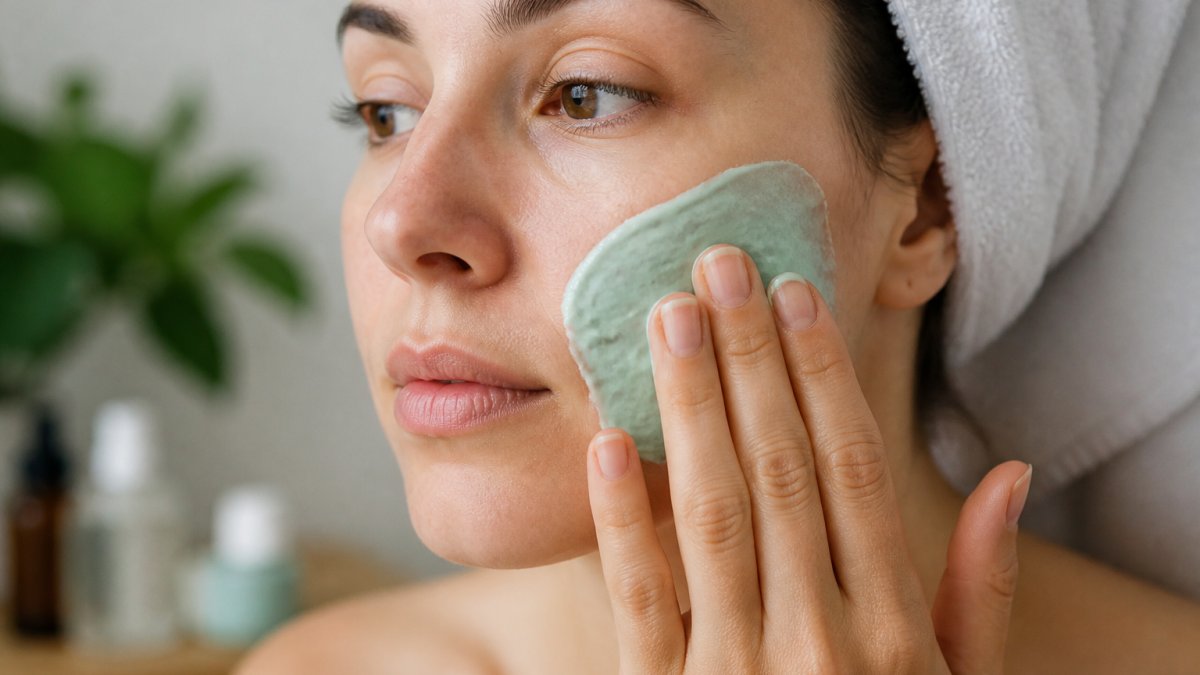
Many people skip patch testing and regret it. Inflamed skin is unpredictable, a product that works for your friend might trigger your skin. The 15-minute patch test prevents wasting time and risking further irritation.
If the patch test goes well, introduce the mask gradually: use it once, wait 2-3 days, then use it again. This slow introduction helps you identify delayed reactions and saves you from setbacks.
Wear Time and Removal Guidelines
Don't leave masks on longer than recommended. Most are formulated for 10-20 minutes; leaving them on longer doesn't increase benefits and can over-hydrate and weaken your barrier. Follow the label.
Remove with lukewarm water, never hot. Hot water strips natural oils and increases inflammation. Rinse gently with fingertips or a soft washcloth, and avoid rubbing or scrubbing.
Pat dry, don't rub. Gently pat your face with a clean towel, rubbing inflamed skin causes friction irritation and more redness.
Follow immediately with hydration. Apply a lightweight moisturizer or hydrating serum while skin is still slightly damp to lock in the mask's benefits. Our Hyaluronic Acid Serum ($34.00) hydrates without heavy oils; seal with the Oil-Free Daily Moisturizer ($45.00) for barrier support.

When to Seek Professional Help
Some irritation requires medical attention. If you experience any of these, stop using masks and consult a dermatologist:
- Severe swelling or hives that don't resolve within hours
- Persistent burning or stinging that worsens over days
- Signs of infection (pus, warmth, increasing redness)
- Blistering or open sores developing
- Reactions that spread beyond the application area
Many people confuse temporary irritation with an allergic reaction. Mild stinging during the first application can be normal as your barrier adjusts. True allergic reactions typically involve swelling, hives, or symptoms that worsen over 24 hours. When in doubt, patch test and wait.
DIY Face Mask for Sensitive Skin: Formulas You Can Make at Home
If commercial products feel risky, simple DIY masks offer control over every ingredient, but so are the trade-offs. Homemade masks lack preservatives, standardized pH, and stability testing, so they can introduce irritants or microbes a formulated product would never pass quality control for. Used carefully and sparingly, a few well-chosen DIY options can be a low-risk way to test how your skin responds to individual ingredients.
Ground Rules Before You Mix Anything
- Patch test every DIY mask on your inner arm or behind your ear for 24 hours before it touches your face. Food-based ingredients can still cause contact dermatitis.
- Use within one session. No preservatives means bacteria and mold can bloom within hours. Mix small batches and discard leftovers.
- Skip anything you're allergic to by mouth. If you react to a food when you eat it, don't put it on inflamed skin.
- Don't add essential oils. They are the most common DIY mistake and a frequent cause of irritation on reactive skin.
- Stop at the first sign of stinging, burning, or new redness. Rinse with lukewarm water and apply a plain barrier moisturizer.
Simple Formulas Worth Trying
Honey and oat mask: Mix 1 tablespoon raw honey with 2 tablespoons finely ground oatmeal and a few drops of water to form a paste. Apply for 15 minutes, rinse gently.
Aloe and glycerin mask: Combine 2 tablespoons pure aloe vera gel with 1 teaspoon vegetable glycerin. Apply for 15 minutes. This lightweight option cools inflammation and draws moisture into skin. Use food-grade or cosmetic-grade aloe, not a gel with added fragrance or alcohol.
Yogurt and honey mask: Mix 2 tablespoons plain yogurt (no additives) with 1 tablespoon raw honey. The yogurt's lactic acid gently exfoliates while honey soothes.
Avocado and oat mask: Mash half a ripe avocado with 2 tablespoons ground oatmeal. Apply for 15 minutes. Avocado provides healthy fats and calming compounds without irritation.
What DIY Masks Can't Do
The advantage of DIY masks is transparency, you control every ingredient. The disadvantage is inconsistency. Homemade formulas lack preservatives, so use them immediately and don't store them. They also lack the stabilized ingredients and pH balance of commercial products, so results may vary.
More importantly, DIY masks cannot deliver the barrier-repair actives that do the heavy lifting for inflamed skin. Ceramides, panthenol, and stabilized colloidal oatmeal require formulation chemistry a kitchen bowl can't replicate.
When DIY Makes Sense
For most people, a well-formulated commercial mask delivers better, more consistent results than DIY. But if you're highly reactive, simple single-ingredient DIY masks can help identify your skin's specific sensitivities. Think of DIY as a diagnostic tool, not a treatment plan, a way to isolate whether oat, honey, or aloe works for you before investing in a full-size product.
Building a Complete Routine Beyond Masks
Masks are powerful, but they work best within a complete routine for inflamed skin.
Cleanse gently. Use a creamy, fragrance-free cleanser that doesn't strip your skin. Avoid foaming cleansers and hot water.
Use hydrating serums between cleansing and moisturizing. Serums deliver concentrated hydration.
Moisturize consistently. A barrier-supporting moisturizer should be your daily foundation.
Introduce actives slowly. Once inflammation subsides, you can gradually reintroduce treatments like retinol or gentle acids. But wait until your skin is stable.
Limit your routine to essentials. More products mean more potential irritants. Stick to cleanser, hydrating serum, moisturizer, and SPF during the day.
Protect from sun exposure. UV damage worsens inflammation and delays healing. Use SPF daily, even indoors. Sun protection is non-negotiable for inflamed skin recovery.
Calming face masks for inflamed sensitive skin work best as part of a thoughtful, minimal routine.
Frequently Asked Questions
How do I know if my skin needs a calming mask or medical treatment?
Temporary redness from irritation typically fades within a few hours to a day after removing the mask. If redness persists beyond 24 hours, worsens despite gentle care, or is accompanied by severe burning, swelling, or blistering, stop using the mask and consult a dermatologist. Persistent conditions may indicate dermatitis or another condition requiring professional diagnosis.
What face mask ingredients for redness actually work?
Panthenol (provitamin B5) is an ingredient. Ceramides are ingredients. Cica (centella asiatica) and oat extract are ingredients. Allantoin is an ingredient, while glycerin and hyaluronic acid are ingredients. Look for fragrance-free formulas to avoid additional irritants. EVERGRENE's Oil-Free Daily Moisturizer ($45) includes panthenol and amino acids.
How often can I use a calming face mask on sensitive skin?
Start with once or twice weekly, depending on your skin's tolerance. Overusing masks, even soothing ones, can disrupt your skin barrier. If your skin feels tight, dry, or increasingly sensitive after masking, reduce frequency. Sheet masks and rinse-off formats allow more frequent use than overnight masks. Always follow with a hydrating product like a serum or moisturizer to lock in benefits and support barrier recovery.
Can I make a DIY face mask for sensitive skin at home?
Yes. A simple base combines mashed avocado or honey with a few drops of hyaluronic acid serum or glycerin. Oat flour mixed with water creates a gentle paste. Avoid citrus, essential oils, and exfoliating acids in homemade masks for inflamed skin. Always patch test any ingredient on your inner arm first. For consistent, tested formulations, consider pairing a gentle store-bought mask with EVERGRENE's Hyaluronic Acid Serum ($34).