
Why Skin Feels Dry After Moisturizing: 7 Fixes
Table of Contents
- Why Your Skin Feels Dry After Moisturizing
- Signs of a Damaged Skin Barrier
- The Dehydration vs. Dry Skin Problem
- How to Layer Skincare Products Correctly
- How to Fix Dull Dehydrated Skin
- Common Mistakes That Make Skin Feel Dry
- Your Action Plan: 7 Steps to Restore Hydration
- Frequently Asked Questions
Last Updated: September 25, 2026
Why Your Skin Feels Dry After Moisturizing
You apply moisturizer and expect your skin to feel hydrated. Instead, your skin feels dry after moisturizing, tight, flaky, or even drier than before. This frustrating experience is more common than you'd think. The problem isn't always your moisturizer, it's often how your skin barrier functions, what type of hydration your skin actually needs, or mistakes in your application routine.
Understanding which one applies to you is the first step to fixing it.
Signs of a Damaged Skin Barrier
Your skin barrier is the outermost layer of your skin. It acts like a protective shield, keeping moisture in and irritants out. When this barrier is compromised, your skin can't hold onto hydration no matter how much moisturizer you apply.
A damaged skin barrier shows clear warning signs. Your skin may feel tight or uncomfortable after cleansing. You might notice increased sensitivity to products that never bothered you before. Redness, inflammation, or a burning sensation are common red flags. Some people experience rough texture or persistent flakiness that won't improve with more moisturizer.
The stratum corneum, the outermost layer of your skin, is where this barrier function happens. When it's healthy, it traps water and keeps your skin plump and hydrated. When it's damaged, water escapes through transepidermal water loss. This means moisture leaves your skin faster than any product can replace it.
Harsh ingredients, over-exfoliation, and environmental stress all damage the skin barrier. Once you recognize these signs, you can stop making the damage worse and start repairing it.
The Dehydration vs. Dry Skin Problem
Here's where most people get confused: dehydration and dry skin are not the same thing. Understanding the difference changes everything about how you fix the problem.
Dry skin is a skin type. It means your skin doesn't produce enough natural oils (sebum). Dry skin is genetic, you're born with it. It needs oil-based moisturizers with emollients to add lipids back to your skin.
Dehydration is a skin condition. It means your skin lacks water, not oil. Dehydrated skin can be oily, combination, or dry. You can have oily skin that's also dehydrated. Dehydrated skin needs humectants, ingredients that draw water into your skin.
This distinction matters because the wrong moisturizer makes things worse. If you have dehydrated skin and use a heavy oil-based cream, your skin might feel even more uncomfortable. If you have dry skin and use a lightweight hydrating serum alone, you're not adding the oils your skin needs.
Transepidermal Water Loss and the Stratum Corneum
Transepidermal water loss (TEWL) is the process where water naturally evaporates from your skin (pubmed.ncbi.nlm.nih.gov). A healthy stratum corneum keeps this loss minimal. A damaged barrier lets too much water escape.
The stratum corneum is made of dead skin cells held together by lipids (fats). These lipids create a waterproof seal. When the lipid barrier breaks down, water escapes rapidly. This happens from harsh cleansing, over-exfoliation, extreme weather, or using products with drying alcohols.
You can't stop TEWL completely, it's natural. But you can minimize it by using occlusives. Occlusives are ingredients that sit on top of your skin and seal in moisture. Common occlusives include petrolatum, dimethicone, and plant oils.
How to Layer Skincare Products Correctly
Layering matters more than most people realize. The order you apply products changes how well they work. Applying products in the wrong order wastes them.
The basic rule: apply products from thinnest to thickest consistency. Thin products (serums, essences) go first. Thicker products (moisturizers, oils) go last. This lets each product absorb properly instead of sitting on top of previous layers.
Start with a gentle cleanser. Pat your skin dry, but leave it slightly damp. This is critical for hydration.
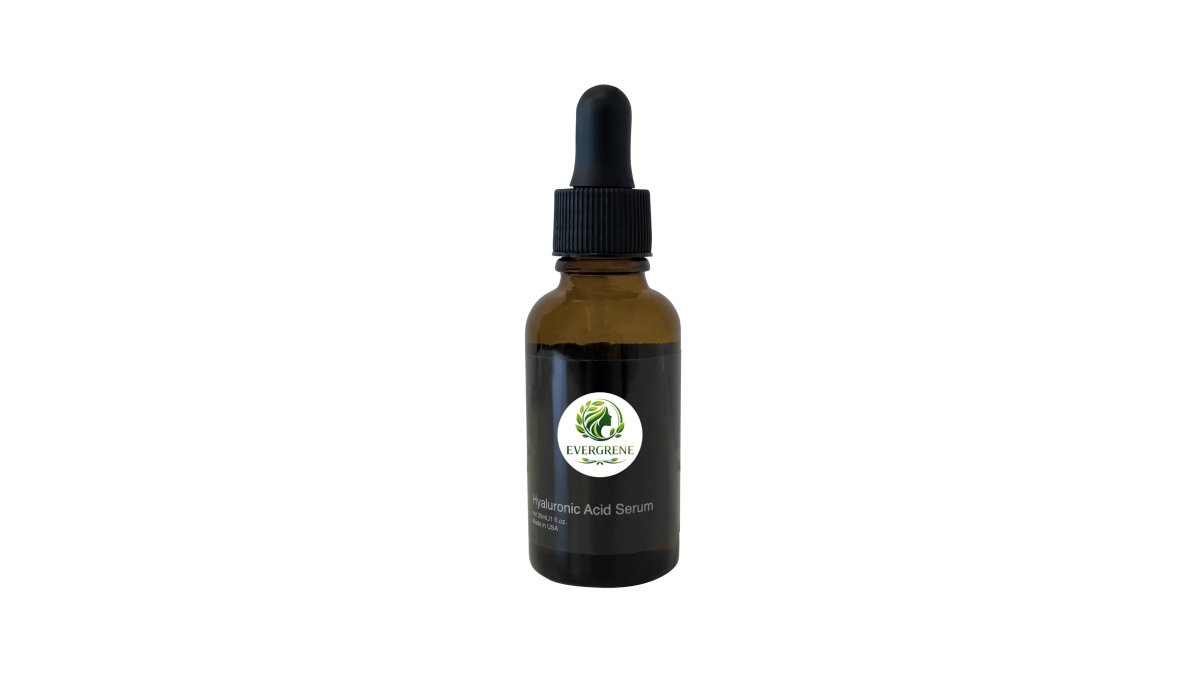
Apply your hydrating serum next. If you're using hyaluronic acid serums, apply 2-3 drops to damp skin. Hyaluronic acid works best when there's water present. The EVERGRENE Hyaluronic Acid Serum contains glycerin as well, which brings bounce back to your skin and strengthens your barrier. Let this absorb for 30 seconds.

Apply your moisturizer while your skin is still slightly damp. This locks in the hydration from your serum. Press gently instead of rubbing. Rubbing can damage the skin barrier and cause irritation.
If you use oils, apply them last. They seal everything underneath and prevent water loss.
The Damp Skin Application Technique
This one technique solves the problem for many people. Applying moisturizer to soaking wet skin doesn't work, the product slides around. But applying to bone-dry skin means your moisturizer can't penetrate properly.
The sweet spot is damp skin. Your skin should feel slightly wet but not dripping. Pat your face with a clean towel, then wait 10 seconds. Your skin should still feel cool and slightly moist.
This matters because water acts as a vehicle for hydrating ingredients. Humectants like glycerin and hyaluronic acid need water to work. When you apply them to damp skin, they pull that moisture deeper into your skin. When you apply to dry skin, they can't penetrate as effectively.
Many people make the "towel-dry mistake", they dry their skin completely, then apply moisturizer. This is backwards. Leave some moisture on your skin. Your moisturizer will work better, and you'll use less product.
How to Fix Dull Dehydrated Skin
Dehydrated skin looks dull, feels uncomfortable, and ages faster. The fix requires both hydration and barrier repair. You can't use one type of product alone.
Start by identifying what's causing the dehydration. Is it your environment? Indoor heating dries out skin. Winter air is drier. Air travel dehydrates skin rapidly. Environmental stressors like pollution and UV exposure also damage the skin barrier.
Is it your routine? Harsh cleansers strip natural oils. Over-exfoliation damages the stratum corneum. Hot water opens pores and allows more water loss. These are fixable mistakes.
Once you identify the cause, address it.
Using Humectants and Occlusives Together
The best hydrating routine uses both humectants and occlusives. They work together to solve dehydration.
Humectants draw water into your skin. Examples include:
- Hyaluronic acid
- Glycerin
- Sorbitol
- Urea
Occlusives seal that water in and prevent it from escaping. Examples include:
- Petrolatum
- Dimethicone
- Ceramides
- Plant oils
Hard Water and Mineral Buildup
Hard water is an often-overlooked culprit. If your tap water contains high levels of minerals like calcium and magnesium, it leaves deposits on your skin. These minerals interfere with product absorption and can make your skin feel dry and uncomfortable.
Common Mistakes That Make Skin Feel Dry
Most people make at least one of these mistakes. Recognizing them is half the battle.
Over-Exfoliation and Product Pilling
Over-exfoliation is one of the most common mistakes. Many people exfoliate too often or use products that are too strong.
Product pilling, when your moisturizer balls up and rolls off your skin, signals a problem. This usually means:
- Too many products layered together
- Products with incompatible ingredients
- Applying products to skin that's too wet
- Using too much product
Harsh Ingredients and Environmental Stressors
Certain ingredients damage your skin barrier. Alcohols (denat alcohol, isopropyl alcohol) are drying. Sulfates strip natural oils. Fragrances can irritate sensitive skin. Strong acids used incorrectly cause damage.
Your Action Plan: 7 Steps to Restore Hydration
Follow these steps in order. Give each step at least one week before moving to the next.
| Step | Action | Timeline | Expected Result |
|---|---|---|---|
| 1 | Strip routine to basics: gentle cleanser, hydrating serum, moisturizer | 1 week | Reduce irritation and barrier stress |
| 2 | Apply all products to damp skin | 1 week | Improve product absorption and hydration |
| 3 | Use lukewarm water, never hot | 1 week | Reduce transepidermal water loss |
| 4 | Add humectant serum (hyaluronic acid or glycerin) | 1 week | Increase water content in skin |
| 5 | Switch to moisturizer with occlusives | 1 week | Seal in hydration and repair barrier |
| 6 | Stop all exfoliation temporarily | 2 weeks | Allow stratum corneum to recover |
| 7 | Add SPF and environmental protection | Ongoing | Prevent further barrier damage |
Step 1: Simplify Your Routine
Step 2: Master the Damp Skin Technique
Step 3: Use Lukewarm Water
Step 4: Add a Hydrating Serum
Step 5: Choose the Right Moisturizer
Step 6: Skip Exfoliation
Step 7: Protect Your Skin
Frequently Asked Questions
What is the 3-minute moisturizer rule?
Apply moisturizer to damp skin within 3 minutes of cleansing. This window allows humectants like hyaluronic acid to draw water from your skin and the air into the stratum corneum, while occlusives lock it in. Waiting longer lets water evaporate, leaving your skin feeling tight and dry despite the moisturizer.
Why does my skin feel dry after moisturizing if I'm using the right product?
Dryness after moisturizing often signals a damaged skin barrier or transepidermal water loss. Your barrier may lack ceramides and lipids needed to retain moisture. Also check your application technique: applying to completely dry skin or using harsh ingredients (alcohols, sulfates) can prevent proper absorption. Hard water mineral buildup can also block hydration from sinking in.
Should I apply moisturizer to damp or dry skin?
Apply to damp skin. Damp skin allows humectants to absorb water more effectively and helps your moisturizer penetrate the barrier. Pat skin gently with a towel to remove excess water, leaving it slightly moist. This technique, combined with products like our Hyaluronic Acid Serum, maximizes hydration retention and prevents the tight, dry feeling that comes from applying to fully dry skin.
Can over-exfoliation cause skin to feel dry even after moisturizing?
Yes. Frequent exfoliation damages the stratum corneum and compromises your skin barrier's ability to retain moisture. This leads to transepidermal water loss and dehydration that no moisturizer can fully reverse until the barrier heals. Limit exfoliation to 1-2 times weekly and always follow with a nourishing moisturizer to support skin health.