
Is Expensive Skincare Worth the Money in 2026
Table of Contents
- What You're Actually Paying For in Expensive Skincare
- Key Ingredients That Justify a Higher Price Point
- How to Fix Dull Dehydrated Skin Without Overspending
- The Benefits of Glycolic Acid and Other Active Ingredients
- How to Choose a Retinol Serum That Actually Works
- When to Splurge vs. When to Save on Skincare
- Cost-Per-Use Analysis: The Real Value of Expensive Skincare
- Conclusion
- Frequently Asked Questions
Last Updated: September 2, 2026
What You're Actually Paying For in Expensive Skincare
When you pick up a luxury skincare product, you're paying for formulation science, ingredient sourcing, packaging, marketing, and brand positioning. Understanding these costs helps you decide whether the premium is justified.
High-end brands invest heavily in research and development, conducting stability testing, compatibility studies, and clinical trials to validate claims. A luxury brand might spend months optimizing molecular weight, pH balance, and delivery systems to enhance absorption and efficacy, while a drugstore brand uses proven, off-the-shelf ingredients in a basic formula.
Premium packaging protects active ingredients from degradation. Airless pumps, dark glass bottles, and specialized containers prevent oxidation, meaning the product maintains potency throughout its shelf life. Luxury brands also source ingredients strategically, stabilized retinol derivatives, specific fermentation processes for hyaluronic acid, or proprietary synthesis methods, choices that affect both price and performance.
Marketing and brand positioning account for a meaningful portion of the price, though this investment also means the brand has resources to back claims with research and maintain quality control standards.
Key Ingredients That Justify a Higher Price Point
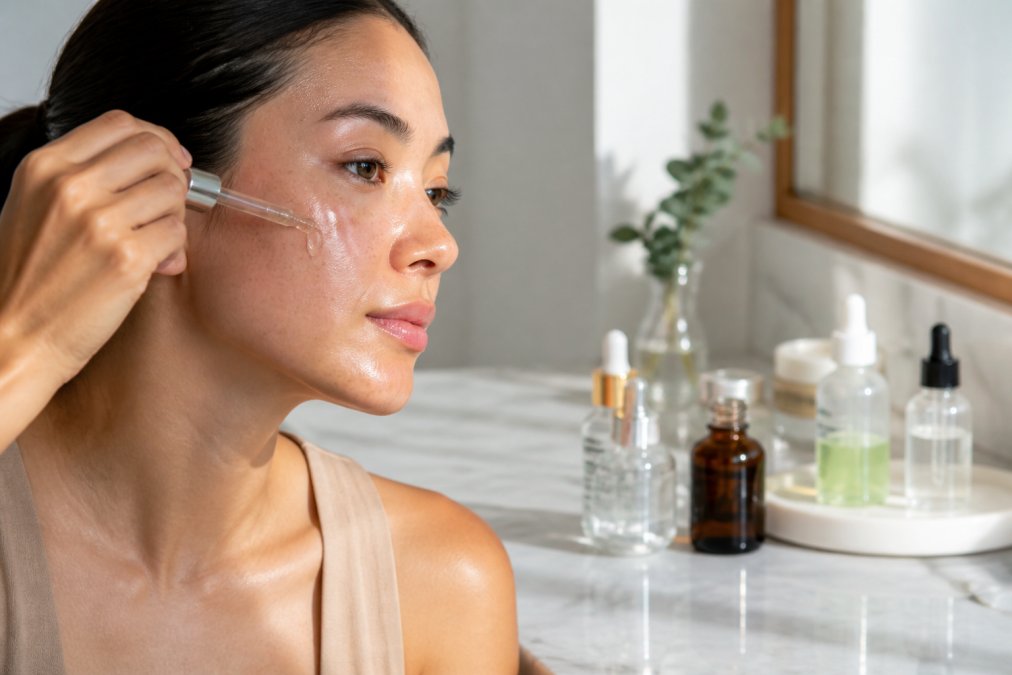
Certain active ingredients command higher prices because they're expensive to source, stabilize, or deliver effectively.
Retinoids represent one of the most researched anti-aging ingredients. Stabilized forms like retinyl palmitate or advanced derivatives cost significantly more than basic retinol. EVERGRENE's Collagen and Retinol Serum combines retinol with collagen and hyaluronic acid, designed to address both firmness and hydration in a single formula.

Hyaluronic acid varies dramatically in quality. Premium brands often use multiple molecular weights to hydrate at different skin depths and invest in stabilization technology to keep it effective in formulation.
Vitamin C stability is notoriously difficult. L-ascorbic acid oxidizes easily and has poor skin penetration. Luxury brands invest in stabilized derivatives like ascorbyl palmitate or tetrahexyldecyl ascorbate, which remain potent longer and absorb more effectively.
Peptides require sophisticated synthesis. Brands using targeted peptide blends designed to stimulate collagen production invest in peptide research, creating formulations unavailable to competitors.
Proprietary botanical extracts can justify premium pricing when backed by research. Some luxury brands develop exclusive partnerships to source rare plant compounds or create custom extract blends.
The concentration of active ingredients also matters. A serum with 10% vitamin C delivers more potent results than one with 5%, and luxury brands often use higher concentrations of proven actives.
How to Fix Dull Dehydrated Skin Without Overspending
Dull, dehydrated skin doesn't always require expensive products. The right approach combines hydrating actives with consistent application.
Start with a hydrating cleanser that doesn't strip your skin. Layer hydration strategically: apply a hydrating toner or essence while your skin is still slightly damp, then a serum with humectants like glycerin or hyaluronic acid, followed by a moisturizer with occlusive ingredients like squalane or ceramides.
Exfoliate gently but consistently. Chemical exfoliation with glycolic acid or lactic acid removes dead cells and improves skin texture without irritation. Add a targeted treatment serum, EVERGRENE's Age Defying Serum uses squalane and glycerin for deep hydration, plus hydrolyzed soy protein to improve elasticity.

Use a richer moisturizer at night. Consistency matters more than product cost. Using an affordable serum every night delivers better results than using an expensive one sporadically.
The Benefits of Glycolic Acid and Other Active Ingredients
Glycolic acid is an alpha-hydroxy acid (AHA) that exfoliates by dissolving bonds between dead skin cells. Unlike physical exfoliation, it's gentler and more effective for improving skin texture and brightness. Many people see visible improvement in skin clarity within 2-3 weeks of regular use (peer-reviewed research).
Glycolic acid stimulates collagen production, improves skin hydration, and helps other active ingredients penetrate more effectively. Concentration matters: 5-7% is effective for beginners and sensitive skin, while 10-15% delivers faster results for resilient skin. pH is critical: glycolic acid only exfoliates effectively at pH below 4 (peer-reviewed research). Luxury brands often invest in pH optimization, which justifies part of the premium.
Other chemical exfoliants offer different benefits. Lactic acid is gentler for sensitive skin. Salicylic acid penetrates oily skin more effectively. Mandelic acid works well for darker skin tones because it's less likely to cause post-inflammatory hyperpigmentation.
Retinoids work synergistically with chemical exfoliants, but this combination can be irritating. Start with one, establish tolerance, then add the other gradually. The key is using active ingredients consistently but carefully, starting with lower concentrations and 2-3 times per week initially.
How to Choose a Retinol Serum That Actually Works
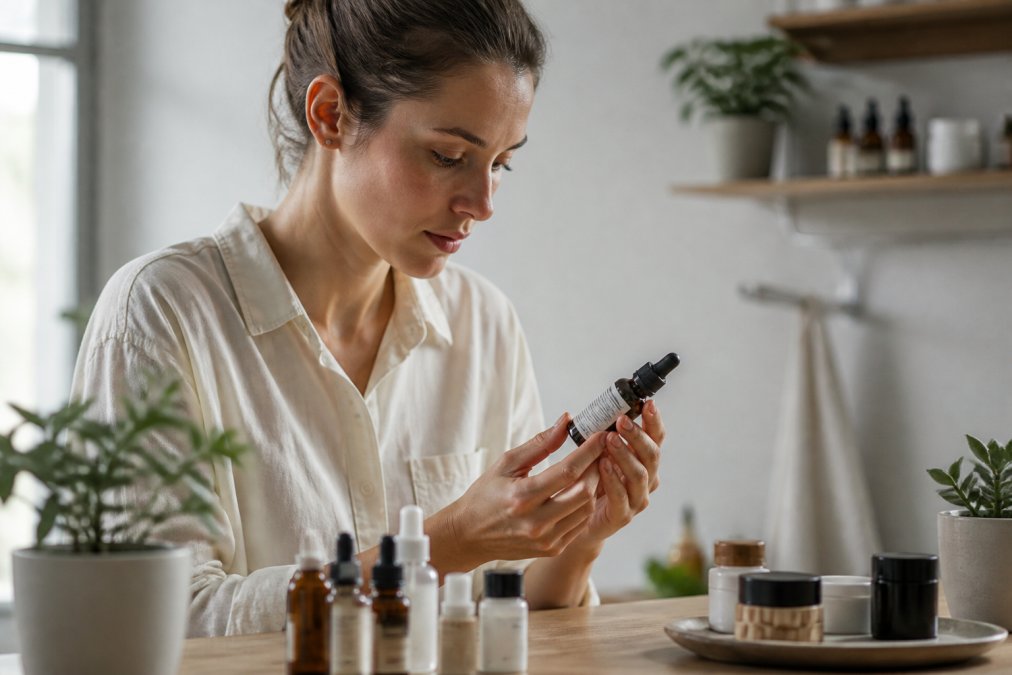
Retinol serums range from drugstore basics to luxury formulations, and the difference in results can be significant.
Understand retinoid types. Retinol is a precursor your skin converts to retinoic acid, the form that drives anti-aging benefits. This conversion is inefficient, so basic retinol delivers slower results than advanced retinoids. Retinaldehyde converts more efficiently. For most people, a stabilized retinol or retinaldehyde serum offers the best balance of efficacy and tolerability. EVERGRENE's Collagen and Retinol Serum combines retinol with collagen and hyaluronic acid, designed to minimize irritation while delivering anti-aging benefits.
Check the concentration. A 0.3% concentration is effective for beginners. A 0.5-1% concentration delivers faster results for those with established tolerance.
Look for stabilization. Quality serums use dark packaging, airless pumps, or stabilizing ingredients to protect retinol. If a retinol serum comes in a clear bottle with a regular dropper, it's likely degraded.
Consider complementary ingredients. Retinol works best paired with hydrating ingredients like hyaluronic acid, glycerin, and ceramides. Avoid pairing retinol with vitamin C, niacinamide, or acids in the same step.
Start low and go slow. Use it 1-2 times per week initially, then increase frequency as your skin adapts. Most people reach optimal results at 3-4 times per week.
Expect a transition period. Retinization takes 6-12 weeks (peer-reviewed research). Mild dryness or sensitivity is normal and usually resolves as your skin adapts.
When to Splurge vs. When to Save on Skincare
Splurge on serums with active ingredients. A high-quality serum with proven actives like retinol, vitamin C, or peptides delivers measurable results. The formulation work justifies the cost.
Save on cleansers. A cleanser's job is to remove makeup and impurities without disrupting your skin barrier. Many affordable cleansers do this effectively.
Splurge on moisturizers if you have specific concerns. If you have sensitive skin, eczema, or severe dryness, a premium moisturizer often delivers better results.
Save on exfoliants. Chemical exfoliants are effective at any price point if the concentration and pH are comparable.
Splurge on sunscreen if you use it daily. Sunscreen is the most important anti-aging product. A premium formula you'll use every day is worth the investment.
Save on masks and treatments. Occasional masks work as well at any price point.
Splurge on tools if they support your routine. Tools that are aesthetically pleasing encourage daily use, where the real value lies.
Cost-Per-Use Analysis: The Real Value of Expensive Skincare
A luxury serum at $80 for one ounce used twice daily for four months costs roughly $0.33 per use. A drugstore serum at $15 for one ounce lasting two months costs $0.13 per use. However, most people overestimate how much product they need. A pea-sized amount is sufficient for your entire face, narrowing the cost-per-use difference significantly.
The real calculation should factor in consistency. A serum you love and use every day delivers better results than an expensive one you use sporadically. Consider cost-per-result rather than cost-per-use: if a luxury retinol reduces fine lines by 30% and costs $50, and a drugstore retinol reduces fine lines by 15% and costs $15, the luxury option might deliver better value in terms of actual skin improvement per dollar spent.
Budget for products you'll actually use, not products you think you should use.
Conclusion
Whether expensive skincare is worth the money depends on what you're buying and why. Luxury brands often invest in superior formulation, ingredient sourcing, and stability, advantages that can translate to better results. However, many affordable products deliver comparable benefits for basic skincare needs.
The most effective approach is strategic spending. Invest in serums with proven active ingredients like retinol or glycolic acid, where formulation quality genuinely matters. Save on cleansers and basic moisturizers, where affordable options perform as well as luxury alternatives. Choose products you'll use consistently, because routine matters more than price.
At EVERGRENE, we believe skincare should be effective without requiring a luxury price tag or complicated routines. Our curated collection features high-quality serums and treatments designed for real results. The Collagen and Retinol Serum combines proven anti-aging actives with hydrating ingredients to address multiple skin concerns in one formula. The Age Defying Serum delivers deep hydration with skin-firming peptides, supporting healthy skin through consistent, reliable performance.
Start with a simple routine using products matched to your specific skin concerns. Use them consistently for 6-8 weeks before deciding whether to upgrade. Most people discover that the right affordable products deliver the results they're seeking, and that consistency matters far more than expense.
Frequently Asked Questions
Does expensive skincare really make a difference?
Yes, but not always in the ways marketing suggests. Expensive skincare often contains higher concentrations of active ingredients like retinoids, hyaluronic acid, and peptides, which can deliver measurable results. However, formulation quality matters more than price alone. A well-formulated affordable serum with proven ingredients may outperform an expensive product with weak concentrations or poor delivery systems. The key is understanding what you're paying for: research, clinical efficacy, and ingredient potency versus packaging and brand prestige.
What ingredients should you look for in high-quality skincare?
Focus on active ingredients with clinical evidence: retinoids for fine lines and texture, hyaluronic acid for hydration, glycolic acid for exfoliation, vitamin C for brightness, and peptides for firmness. High-quality products also include stabilizing ingredients, effective preservatives, and delivery systems that ensure these actives penetrate the skin barrier. Look for concentration levels listed on labels and research whether the product has been dermatologist-tested. Avoid products that list active ingredients last, which indicates low concentrations.
Is there a real difference between drugstore and luxury skincare formulations?
The difference lies in concentration, stability, and delivery systems rather than the ingredients themselves. Luxury brands often invest in proprietary formulations, higher concentrations of actives, and advanced delivery technology that helps ingredients penetrate deeper. Drugstore products can be effective, but they typically contain lower concentrations and simpler formulations. However, some affordable brands deliver excellent results. The best approach is comparing specific products by ingredient list and concentration rather than assuming price equals efficacy.
How can you tell if a skincare product is overpriced?
Compare the active ingredient concentration, clinical trial data, and cost-per-use. If a luxury serum costs $80 but you use only a few drops monthly, the actual cost per application may be reasonable. Conversely, an expensive moisturizer with minimal active ingredients and vague claims is likely overpriced. Look for transparency: brands that disclose ingredient percentages, provide clinical studies, and explain their formulation process offer better value. Avoid products marketed primarily on packaging, celebrity endorsements, or exclusivity rather than ingredient science.
This article was written using GrandRanker