
Layer Skincare for Maximum Hydration: The Right Order
Table of Contents
- Why Skincare Layering Order Matters for Hydration
- The Skincare Layering Order: Thinnest to Thickest
- Morning Skincare Routine Order: Start to Finish
- How Long to Wait Between Skincare Steps
- How to Deeply Hydrate Skin: Humectants, Emollients, and Occlusives
- Apply Hydrators to Damp Skin for Better Absorption
- Common Mistakes That Prevent Maximum Hydration
- Hydration Routines by Skin Type and Climate
- Frequently Asked Questions
Last Updated: October 12, 2026
Why Skincare Layering Order Matters for Hydration
How you layer skincare hydration for maximum results is the difference between dehydrated skin and a plump, glowing complexion. Most people grab products randomly and wonder why their skin still feels tight and dull. The order matters because each product has a specific job. Lighter textures go first so they can penetrate. Heavier ones seal everything in. When you skip this step, products sit on top of each other and never absorb properly.
Your skin barrier acts like a container. If you fill it wrong, nothing stays inside. Water molecules escape. Ingredients don't reach the cells that need them. The result is wasted money and frustrated skin.
At EVERGRENE, we focus on simplifying routines with effective strategies like the thinnest-to-thickest rule. It sounds simple because it is.
The Skincare Layering Order: Thinnest to Thickest
The foundation of proper layer skincare hydration is understanding texture. Watery products absorb fastest. Creamy ones absorb slower. Oils sit on top. This is not a preference. It's how skin chemistry works.
Your skin can only absorb so much at once. If you layer thick cream over thin serum, the cream blocks the serum. The serum never reaches your skin cells. You've wasted the product and your money.
The rule is simple: apply products from thinnest to thickest consistency. Start with water-based formulas. End with oils and butters. Everything in between follows the same logic.
Step 1: Cleanse Your Skin
Start with clean skin. A cleanser removes dirt, oil, and dead skin cells that block hydration. Without this step, nothing else works.
Use a gentle cleanser suited to your skin type. Massage it in circular motions for 60 seconds. Rinse with lukewarm water. Pat dry gently, leaving skin slightly damp. This damp surface is key for the next steps.
Cleansing is non-negotiable. Skip it and your serums and moisturizers sit on a layer of grime. You're not hydrating your skin. You're hydrating the buildup on top of it.
Step 2: Apply Toner or Essence
Toners and essences are watery liquids that prep skin for deeper hydration. They remove any remaining traces of cleanser and balance your skin's pH.
Apply with your hands or a cotton pad. Pat gently into skin. Wait 30 seconds for it to absorb. These products are thin, so they sink in fast.
Essences are slightly thicker than toners but still water-based. Both serve the same purpose: they create a hydrated base for everything that follows. Think of them as priming your skin to accept the next layers.
Step 3: Use Hydrating Serums
Serums are concentrated formulas packed with active ingredients. Hydrating serums contain humectants like hyaluronic acid and glycerin. These ingredients draw water into your skin.

Apply 2-3 drops to your palm. Press gently into your face and neck. Don't rub. Pressing helps the serum absorb without disrupting your skin barrier.
Our Hyaluronic Acid Serum contains hyaluronic acid and glycerin. Hyaluronic acid holds up to 1,000 times its weight in water. Glycerin brings bounce and glow back to dehydrated skin. Together, they create a hydration boost that lasts all day.
Step 4: Add Moisturizer
Moisturizers seal in the hydration from serums and toners. They contain emollients and occlusives that prevent water loss.
Apply a pea-sized amount to your face and neck. Warm it between your palms first. Then press and smooth into skin. A little goes a long way.
Our Oil-Free Daily Moisturizer works for all skin types, especially sensitive and oily skin. It contains panthenol to reduce redness and amino acids to support skin health. The formula is lightweight but deeply hydrating, so you won't feel greasy.

Step 5: Lock in with Facial Oil
Facial oils are the final step in your hydration routine. They create an occlusive barrier that keeps water from escaping.
Use 2-3 drops. Warm between your palms. Press gently into skin. Oils should feel luxurious, not heavy.
Our Anti-Aging Rose Gold Oil contains rosehip oil. Omega fatty acids regulate oil production and balance hydration. Antioxidants support skin healing. Apply at night for best results. In winter, you can mix a drop into your moisturizer during the day.

Morning Skincare Routine Order: Start to Finish
Your morning routine is shorter than your evening routine, but the order stays the same: thinnest to thickest.
Start by cleansing your face with a gentle cleanser. Rinse and pat dry, leaving skin slightly damp. Apply toner or essence if you use one. Apply your hydrating serum. Add moisturizer. Finish with sunscreen.
Sunscreen is the final morning step. It protects your skin from UV damage. Apply it after your moisturizer has set. Wait 2-3 minutes before going outside.
A complete morning routine takes about 5 minutes once you get used to it. The key is consistency. Skipping steps saves time today but costs you in skin health tomorrow.
How Long to Wait Between Skincare Steps
Timing matters. If you apply the next product too fast, the previous one hasn't absorbed. You're just layering products on top of each other.
Wait 30-60 seconds between each step. This gives your skin time to absorb each product before you add the next layer.
For serums and hydrating treatments, wait a full minute. These are concentrated formulas that need time to sink in. Rushing this step wastes the product's effectiveness.
For moisturizer and oil, you can apply them closer together. The moisturizer doesn't need to fully dry before you seal it with oil. In fact, applying oil to slightly damp moisturizer helps it spread evenly.
The total time for a full routine is 8-10 minutes in the morning and 10-12 minutes at night. This includes waiting time between products.
How to Deeply Hydrate Skin: Humectants, Emollients, and Occlusives
True hydration requires three types of ingredients working together. Understanding what each does helps you build a routine that actually works.
Humectants: Draw Water Into the Skin
Humectants are water-loving ingredients. They pull moisture from the air and from deeper skin layers into the surface.
Hyaluronic acid is the most famous humectant. It can hold massive amounts of water. Glycerin is another powerful humectant. It brings glow and bounce to skin.
These ingredients work best on damp skin. If your skin is dry, they can actually pull water out of deeper layers. That's why you apply them to skin that's still slightly wet from cleansing.
Emollients: Smooth and Soften
Emollients fill gaps between skin cells. They smooth texture and soften rough patches.
Fatty acids, plant oils, and silicones are all emollients. They make your skin feel soft and supple. They also help your skin barrier stay healthy.
Emollients don't add water to your skin. They prevent water from escaping. They work best layered over humectants.
Occlusives: Seal Everything In
Occlusives create a physical barrier on your skin. They're the heaviest, richest ingredients. Nothing penetrates them, which is the point.
Oils, butters, and waxes are occlusives. They seal in all the hydration from the layers below. Without this final seal, water evaporates and your skin dries out by midday.
Apply Hydrators to Damp Skin for Better Absorption
Damp skin absorbs hydrators better than dry skin.
After cleansing, pat your skin gently. Leave it slightly wet. Don't let it air-dry completely. Apply your toner or essence to this damp surface. Follow with your hydrating serum while skin is still moist.
The water on your skin acts as a delivery system. It helps hydrating ingredients penetrate deeper. Humectants like hyaluronic acid work better when there's already water present.
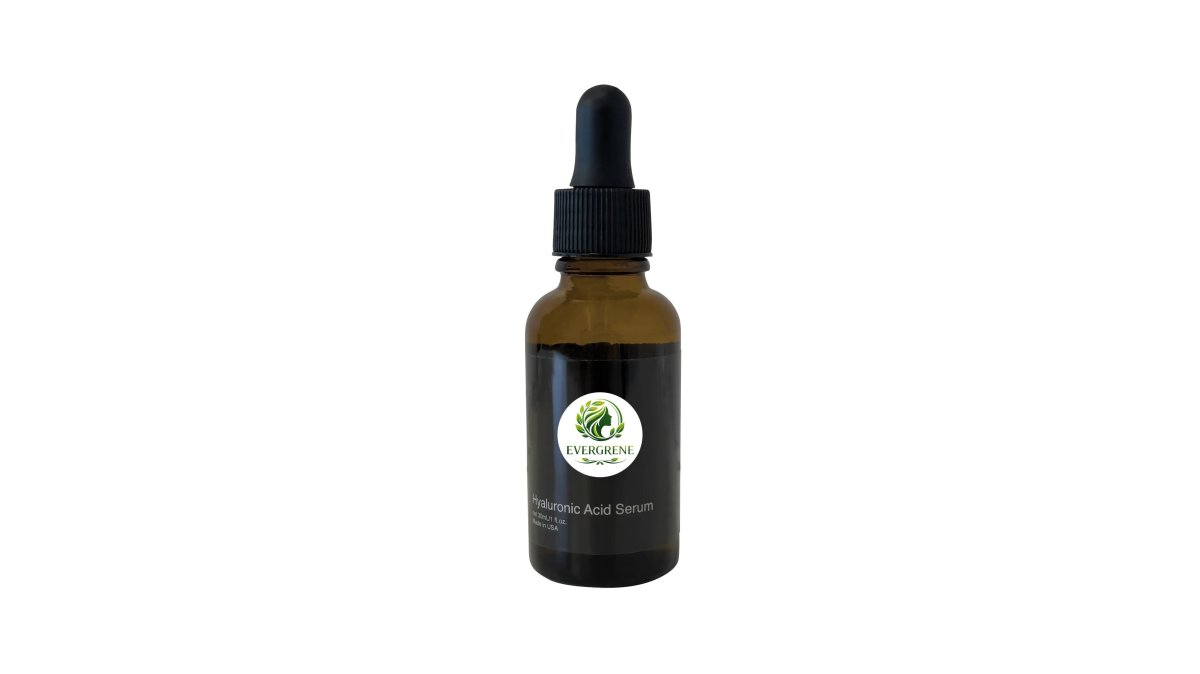
Once your serum is applied, wait 60 seconds. Then apply your moisturizer to seal everything in. The moisturizer locks the water and serum into your skin. This is how you get real hydration that lasts.
Dry skin absorbs products slowly. Damp skin is like a sponge. It pulls everything in instantly.
Common Mistakes That Prevent Maximum Hydration
Most people make at least one of these mistakes.
Skipping the damp skin step. Applying serums to completely dry skin wastes half the product. Apply to damp skin instead.
Layering in the wrong order. Oil before serum blocks hydration. Always go thinnest to thickest.
Using too much product. More product doesn't mean more hydration. A pea-sized amount of moisturizer is enough. Two drops of serum is plenty.
Not waiting between steps. Rushing through your routine means nothing absorbs properly. Wait 30-60 seconds between each product.
Using the wrong moisturizer for your skin type. A rich cream on oily skin suffocates it. A light moisturizer on dry skin doesn't hydrate enough.
Forgetting sunscreen in the morning. UV damage dehydrates skin faster than anything else. Sunscreen is part of hydration, not separate from it.
Over-layering products. More layers don't mean more hydration. Four well-chosen products beat eight random ones. Quality matters more than quantity.
Hydration Routines by Skin Type and Climate
Your routine should match your skin type and where you live. Humid climates need less occlusive protection.
Oily skin in humid climates: Skip the facial oil. Use a lightweight moisturizer.
Oily skin in dry climates: Use a lightweight moisturizer and a facial oil.
Dry skin in humid climates: Use a rich moisturizer and facial oil. Humidity helps, but dry skin still needs support.
Dry skin in dry climates: This is the most challenging combination.
Sensitive skin: Use fewer products and gentler formulas. Stick to hydrating serums with hyaluronic acid and glycerin.
Combination skin: Hydrate the dry areas more heavily. Use a lighter moisturizer on oily zones.
| Skin Type | Climate | Key Products | Routine Focus |
|---|---|---|---|
| Oily | Humid | Serum, light moisturizer | Hydration without heaviness |
| Oily | Dry | Serum, light moisturizer, oil | Hydration with light protection |
| Dry | Humid | Serum, rich moisturizer, oil | Maximum hydration with support |
| Dry | Dry | Serum, rich moisturizer, oil, mist | Intense hydration and sealing |
| Sensitive | Any | Gentle serum, sensitive moisturizer | Minimal products, no actives |
| Combination | Any | Serum, variable moisturizer, oil | Customized by zone |
The best routine is the one you'll actually use every day. Start simple.
Proper skincare layering seems complicated at first. But the thinnest-to-thickest rule makes it simple. Apply products from watery to rich.
EVERGRENE products are designed to work together in this exact order. Our Hyaluronic Acid Serum, Oil-Free Daily Moisturizer, and Anti-Aging Rose Gold Oil cover every step of hydration.
Frequently Asked Questions
What is the correct skincare layering order for maximum hydration?
Apply products from thinnest to thickest consistency: cleanser, toner or essence, hydrating serum, moisturizer, then facial oil. This order ensures each product absorbs properly and doesn't block lighter formulas. Watery serums and gel-based products go first, while creamy textures and oils go last. This layering approach prevents pilling and maximizes hydration by allowing humectants to draw water into skin, emollients to smooth the surface, and occlusives to seal everything in.
How long should you wait between skincare steps?
Wait 30 seconds to 1 minute between each layer for lightweight products like serums and essences. Allow heavier products like moisturizers and oils to set for 1-2 minutes before applying the next step. If you're using active ingredients like glycolic acid or retinol, wait 3-5 minutes before layering additional products. Waiting ensures proper absorption and reduces irritation by preventing over-saturation of the skin barrier.
Can you use hyaluronic acid and moisturizer together?
Yes, hyaluronic acid and moisturizer work together effectively. Apply hyaluronic acid serum first to damp skin to draw moisture into the skin, then follow with a moisturizer to seal that hydration in. The Hyaluronic Acid Serum from EVERGRENE ($34.00) contains glycerin as well, which strengthens your skin barrier while hyaluronic acid deeply moisturizes. Layer it under the Oil-Free Daily Moisturizer for all-day hydration without a greasy feel.
Should you apply moisturizer to damp or dry skin?
Apply hydrating serums and lightweight products to damp skin immediately after cleansing to lock in water. Damp skin allows humectants like hyaluronic acid and glycerin to absorb more effectively. However, apply heavier moisturizers and facial oils to skin that's mostly dry but still slightly tacky from previous layers. This prevents dilution of richer products while maintaining the hydration you've built up through your layering routine.