
Natural Ways to Brighten Dull Tired Skin: 7 Effective Tips
Table of Contents
- Why Skin Looks Dull and Tired (And What Actually Helps)
- 1. Gentle Exfoliation: How Often to Exfoliate Face for Brighter Skin
- 2. Glycolic Acid for Dull Skin: A Gentle Path to Cell Turnover
- 3. Retinol for Dull Skin: Supporting Renewal Without Irritation
- 4. Hydration Inside and Out: Moisturizer and Water
- 5. Sun Protection: The Non-Negotiable Step for Even Skin Tone
- 6. Diet, Sleep, and Lifestyle Habits That Support Radiance
- 7. A Simple Skincare Routine for Dull Skin (Morning and Night)
- Frequently Asked Questions
Last Updated: October 15, 2026
Why Skin Looks Dull and Tired (And What Actually Helps)
Dull, tired-looking skin rarely comes down to one thing. It is usually the result of slower cell turnover, dehydration, accumulated dead skin cells, and daily exposure to sun and pollution working together.
Here is the short version: most people do not need a ten-step routine. According to the American Academy of Dermatology's guidance on skin care, gentle cleansing, moisturizing, and sun protection form the foundation of healthy skin at any age.
The seven steps below are ordered by impact, not by cost. If you only adopt two, make them sun protection and moisturizing.
1. Gentle Exfoliation: How Often to Exfoliate Face for Brighter Skin
Exfoliating two to three times per week is enough for most skin types. More frequent exfoliation strips the skin barrier and makes dullness worse, not better.
Dead skin cells pile up on the surface and block light reflection, which is why skin looks flat and gray. Removing them reveals fresher skin underneath and supports cell turnover.
Chemical vs. Physical Exfoliants: What to Choose
Chemical exfoliants use acids like alpha hydroxy acids or glycolic acid to dissolve dead skin cells. Physical exfoliants use scrubs or brushes to lift them away.

We recommend chemical exfoliants for most people. They are more even, easier to control, and less likely to cause micro-tears. Physical scrubs still work well for oily skin, but keep the pressure light.
2. Glycolic Acid for Dull Skin: A Gentle Path to Cell Turnover
Glycolic acid is one of the most reliable ingredients for dull skin because it speeds up cell turnover and helps even skin tone over time.
Our Glycolic Acid Serum ($46.70) is formulated with glycerin for hydration, vitamin E for antioxidant support, and squalane to lock in moisture.

Apply two to three drops to your palm, massage into the face and neck, then follow with moisturizer or SPF in the morning.
3. Retinol for Dull Skin: Supporting Renewal Without Irritation
Retinol supports skin renewal by encouraging new cell growth and helping skin look smoother over time.
The mistake most people make is starting too strong, too often. Begin with two nights per week, use a pea-sized amount for the whole face, and buffer with moisturizer if your skin is sensitive.
Pair retinol with hydration, not with other strong actives on the same night. If you are using glycolic acid, alternate nights rather than layering both.
4. Hydration Inside and Out: Moisturizer and Water
Hydrated skin reflects light better, which is why moisturizing is one of the fastest ways to make dull skin look brighter.
Our Hyaluronic Acid Serum ($34.00) draws moisture into the skin and supports elasticity, while the Oil-Free Daily Moisturizer ($45.00) seals it in without a greasy finish.

Drinking water helps overall health, but it does not replace topical hydration. Skin needs both.
| Concern | Product | How to Use |
|---|---|---|
| Dehydration and tightness | Hyaluronic Acid Serum ($34.00) | 2-3 drops after cleansing, morning and night |
| Barrier support and oil control | Oil-Free Daily Moisturizer ($45.00) | Small amount after serum, morning and night |
| Dullness and uneven tone | Glycolic Acid Serum ($46.70) | 2-3 drops at night, 2-3 times per week |
| Dryness and loss of glow | Anti-aging Rose Gold Oil ($41.60) | 2-3 drops at night, or mixed with moisturizer in winter |
5. Sun Protection: The Non-Negotiable Step for Even Skin Tone
Sunscreen is the single most effective step for preventing dullness, uneven skin tone, and hyperpigmentation.
Apply a broad-spectrum sunscreen with SPF 30 or higher every morning, even on cloudy days and even indoors near windows. Reapply every two hours if you are outside.
If you use glycolic acid or retinol, sunscreen is not optional. The Skin Cancer Foundation's sun protection guidance recommends daily broad-spectrum sunscreen as a core habit, not a seasonal one.
6. Diet, Sleep, and Lifestyle Habits That Support Radiance
Lifestyle habits shape skin appearance, but the effect is slower and smaller than most articles admit. A useful rule: nutrition and sleep changes typically show up over four to twelve weeks, not overnight. What you eat and how you sleep supports the routine in steps 1 through 5, it does not replace it.
Nutrition: What Has Reasonable Support
- Vitamin C from whole foods. Citrus, bell peppers, strawberries, and broccoli supply vitamin C, which the body uses to build collagen and which acts as an antioxidant against daily UV-driven damage. Food sources are preferable to megadose supplements; very high supplemental doses can cause digestive upset and are not shown to brighten skin faster.
- Omega-3 fatty acids. Fatty fish, walnuts, chia, and flaxseed support the skin barrier and help skin retain moisture. A dry, barrier-compromised surface reflects less light, which reads as dullness.
- Colorful produce broadly. Carotenoid-rich foods, carrots, sweet potatoes, tomatoes, spinach, are associated with a modest, gradual shift toward warmer skin tone in observational research. The effect is subtle and takes weeks of consistent intake.
A common pattern is that people who overhaul their diet for skin also sleep better and drink more water, so it is hard to isolate one cause. Treat nutrition as a supporting factor, not a treatment.
Sleep: The Overnight Repair Window
Skin cell turnover and barrier repair follow a circadian rhythm, with peak activity at night. Short or fragmented sleep is consistently linked in observational studies to duller appearance, more visible under-eye shadows, and slower barrier recovery. Seven to nine hours is the standard adult range. Practical levers that help more than most people expect:
- Keep a consistent sleep and wake time, including weekends.
- Keep the bedroom cool and dark; heat and light both fragment sleep.
- Avoid alcohol close to bedtime, it reduces deep sleep even when it feels sedating.
Stress and Circulation
Chronic stress raises cortisol, which is associated with impaired barrier function, more oil production, and slower healing. The link to visible dullness is real but indirect. Practical, low-cost interventions that also support circulation:
- Daily movement. Even a 20-minute walk increases blood flow, which delivers oxygen and nutrients to skin. The brighter look after exercise is partly circulation and partly temporary vasodilation.
- Facial massage. A few minutes of gentle upward massage with a moisturizer or facial oil can improve surface circulation and temporarily reduce puffiness. It is a short-term effect, not a structural change.
- Cool-to-lukewarm showers. Very hot water strips lipids from the skin barrier and worsens the tight, gray look associated with dehydration.
What Lifestyle Changes Will Not Do
Lifestyle habits will not fade melasma, remove sun spots, or correct significant pigmentation. Those require targeted ingredients (see step 2) or professional treatment. If dullness is your main concern and your routine is already consistent, lifestyle is the supporting cast, not the lead.
7. A Simple Skincare Routine for Dull Skin (Morning and Night)
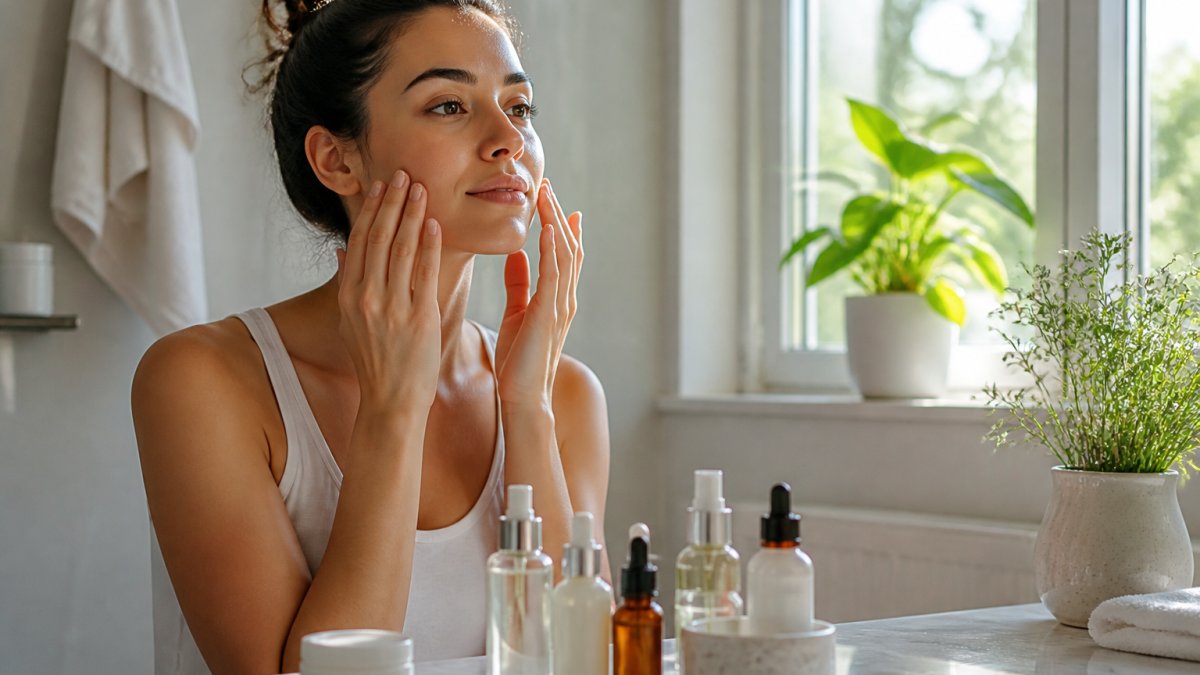
A routine for dull skin does not need ten products. It needs the right four or five, applied in the right order, introduced at the right pace. Consistency beats complexity every time.
When Dullness May Need Medical Assessment
Most dullness responds to routine and lifestyle changes within four to eight weeks. See a dermatologist if dullness comes with persistent redness, new or changing moles, sudden dark patches, skin that stays rough despite consistent care, or accompanying fatigue, weight change, or hair thinning. Those signs can point to conditions, thyroid issues, anemia, or inflammatory skin disease, that need a proper diagnosis rather than another serum.
Frequently Asked Questions
How long does it take to see brighter-looking skin?
Most people notice a difference in skin radiance within 2 to 4 weeks of consistent care. Gentle exfoliation and hydration can show results sooner, while ingredients like glycolic acid and retinol typically need 4 to 12 weeks to visibly improve dull skin and even skin tone. Results depend on your skin type, how regularly you follow your routine, and whether you protect your skin from sun exposure daily.
Can exfoliation help improve the look of dull skin?
Yes. Exfoliation removes dead skin cells that build up on the surface and make skin look tired and rough. With regular gentle exfoliation, cell turnover speeds up and light reflects more evenly, which helps brighten dull skin. Over-exfoliating can damage the skin barrier, so start with once or twice a week and adjust based on how your skin responds.
Can retinol help with dull skin, and how should beginners use it?
Retinol supports skin renewal and can gradually improve dullness, uneven texture, and fine lines. Beginners should start with a low concentration once or twice a week at night, applying a pea-sized amount after cleansing and before moisturizer. Always follow with sunscreen the next morning, since retinol can make skin more sensitive to sun. Increase frequency slowly as your skin adjusts.
Which natural ingredients actually help brighten dull skin?
Ingredients like aloe vera, honey, and rosehip oil are often used to soothe and hydrate skin, while niacinamide and vitamin C are known to support a more even skin tone. Patch-test any new ingredient, and remember that natural does not always mean gentle.
When should I see a dermatologist for dull, tired skin?
If your skin stays dull despite a consistent routine for 8 to 12 weeks, or if you notice persistent redness, flaking, dark patches, or sudden changes in skin texture, see a board-certified dermatologist. These signs may point to conditions like melasma, eczema, or other issues that need professional assessment. A dermatologist can recommend prescription treatments or in-office procedures such as chemical peels.