
Avoid Skin Irritation From Retinol: A 2026 Guide
Table of Contents
- Why Retinol Causes Irritation (and What It Means for Your Skin)
- Retinol Purging vs Irritation: How to Tell the Difference
- The Retinol Sandwich Method: A Step-by-Step Buffer Technique
- How to Build Retinol Tolerance Without Giving Up
- Ingredients to Avoid While Using Retinol
- Skin Barrier Repair: A Recovery Protocol for Irritated Skin
- When to Pause Retinol and What to Do Next
- Frequently Asked Questions
Last Updated: September 11, 2026
Why Retinol Causes Irritation (and What It Means for Your Skin)
Retinol irritation is the redness, flaking, stinging, and tightness that shows up when the vitamin A derivative you're applying speeds up cell turnover faster than your skin barrier can keep up.
Here's the mechanism, minus the jargon. Retinol accelerates desquamation, the natural shedding of dead cells from the epidermis. That's the point. But it also thins the outermost layer and weakens the lipid matrix that holds water in. The result is transepidermal water loss, or TEWL, the technical term for moisture escaping through your skin. When TEWL climbs, inflammation follows: erythema (redness), peeling, and a raw, sunburned feeling that no amount of powder will cover.
The American Academy of Dermatology's guidance on retinoid use puts it plainly: irritation is common and expected, but it should be manageable with the right technique. The mistake most people make is treating mild irritation as a reason to quit, then restarting at full strength weeks later and repeating the cycle. A better approach is to slow down, buffer the active, and repair the barrier while you build tolerance.
Retinol Purging vs Irritation: How to Tell the Difference
Purging and irritation look similar in photos and feel completely different on your face. Purging is a temporary breakout of whiteheads and blackheads in areas where you already break out, caused by the accelerated cell turnover pushing existing congestion to the surface. It typically resolves within four to six weeks (the American Academy of Dermatology). Irritation is redness, stinging, burning, and peeling that can appear anywhere, including areas where you never get acne.
| Signal | Purging | Irritation |
|---|---|---|
| Location | Existing breakout zones | Anywhere, including cheeks and neck |
| Sensation | Congestion, mild tenderness | Stinging, burning, tightness |
| Texture | Small whiteheads, blackheads | Flaking, rough, cracked patches |
| Timeline | Peaks at 2-4 weeks, resolves by 6 | Worsens with continued use |
| Response to moisturizer | Little change | Immediate relief |
The tell is the sensation. If your skin stings when you apply a plain moisturizer, that's irritation, not purging. If it just feels congested, you're likely purging and can push through with a gentler schedule.
The Retinol Sandwich Method: A Step-by-Step Buffer Technique
The retinol sandwich method is a buffering technique that layers moisturizer both under and over your retinol to dilute its penetration and reduce irritation without eliminating its effects. It's the single most useful adjustment for anyone whose skin reacts to standard application.
Here's the sequence, step by step:
- Cleanse and wait. Use a gentle, non-stripping cleanser, then wait 10 minutes until skin is completely dry. Applying actives to damp skin increases penetration and irritation.
- Apply a thin layer of moisturizer. This is your first slice of bread. It creates a partial barrier so the retinol releases more slowly.
- Wait 5 minutes. Let the moisturizer settle before the active goes on.
- Apply a pea-sized amount of retinol. For the entire face. More is not better; it's the fastest route to a chemical burn.
- Wait 5 minutes again. Give the retinol time to absorb before sealing it in.
- Apply a second layer of moisturizer. Your top slice of bread. This locks in hydration and slows further penetration.
A lightweight, non-comedogenic formula works best for the bottom layer. Our Oil-Free Daily Moisturizer was built for exactly this: it delivers fatty acids and hydration without a greasy film, so it buffers retinol without clogging pores or diluting the active into uselessness.

How to Build Retinol Tolerance Without Giving Up
Tolerance is built through frequency, not concentration. A common mistake is chasing a stronger percentage when the real problem is that you're applying it too often, too soon.
Start with the sandwich method twice a week for two weeks. If your skin stays calm, add a third night. Hold there for another two weeks before adding a fourth. Most people can eventually reach every other night; some never need more than three nights a week to see results.
Two rules matter more than the schedule. First, never apply retinol to damp skin. Second, never layer it with another active on the same night. If you use glycolic acid, alternate nights rather than stacking them.
Ingredients to Avoid While Using Retinol
Certain ingredients amplify retinol's penetration and turn a manageable adjustment into a full-blown reaction. While you're acclimating, keep these off your face on retinol nights:
- Benzoyl peroxide and salicylic acid: both increase turnover and dryness, compounding retinol's effects
- Alpha hydroxy acids like glycolic acid: effective, but stagger them on alternate nights
- Physical exfoliants (scrubs, cleansing brushes): they strip the barrier retinol is already stressing
- Alcohol-based toners and astringents: they worsen TEWL and stinging
- Fragrance-heavy products: a common trigger for contact irritation on compromised skin
What you should pair with retinol: ceramides, panthenol, bisabolol, and hyaluronic acid. These are soothing agents and barrier-support ingredients that offset the drying effects.

Skin Barrier Repair: A Recovery Protocol for Irritated Skin
When your barrier is compromised, the goal shifts from anti-aging to repair. A damaged barrier isn't just dry skin, it's a measurable drop in the lipids (ceramides, cholesterol, and fatty acids) that form the mortar between your skin cells, paired with a rise in transepidermal water loss. That's why compromised skin stings when you apply a plain moisturizer, looks shiny and tight at the same time, and reacts to products that never bothered you before.
How to tell your barrier is actually damaged
Not every flare is a barrier injury. Use these signals to gauge severity before you decide how long to pause:
- Mild: flaking around the mouth and nose, mild tightness after cleansing, no stinging with moisturizer. Pause retinol 3-5 days.
- Moderate: stinging or burning when you apply a basic moisturizer, visible redness across the cheeks, rough or sandpaper-like texture. Pause all actives 7-10 days.
- Severe: cracked skin, oozing, swelling, or pain that doesn't improve with moisturizer. Stop everything and contact a dermatologist, this is beyond at-home repair.
The 7-day recovery protocol
Stop all actives, retinol, glycolic acid, salicylic acid, benzoyl peroxide, vitamin C, and any physical exfoliant, for the full seven days. Then rebuild with a stripped-back routine:
- Days 1-2: Cleanse and do nothing else. A creamy, low-surfactant cleanser that doesn't leave skin tight. Our Kale Face Cleanser uses aloe vera, green tea, and chamomile extracts to clean without stripping, which matters when your barrier is already fragile. Skip toner, skip serum, skip everything. Let the skin settle.
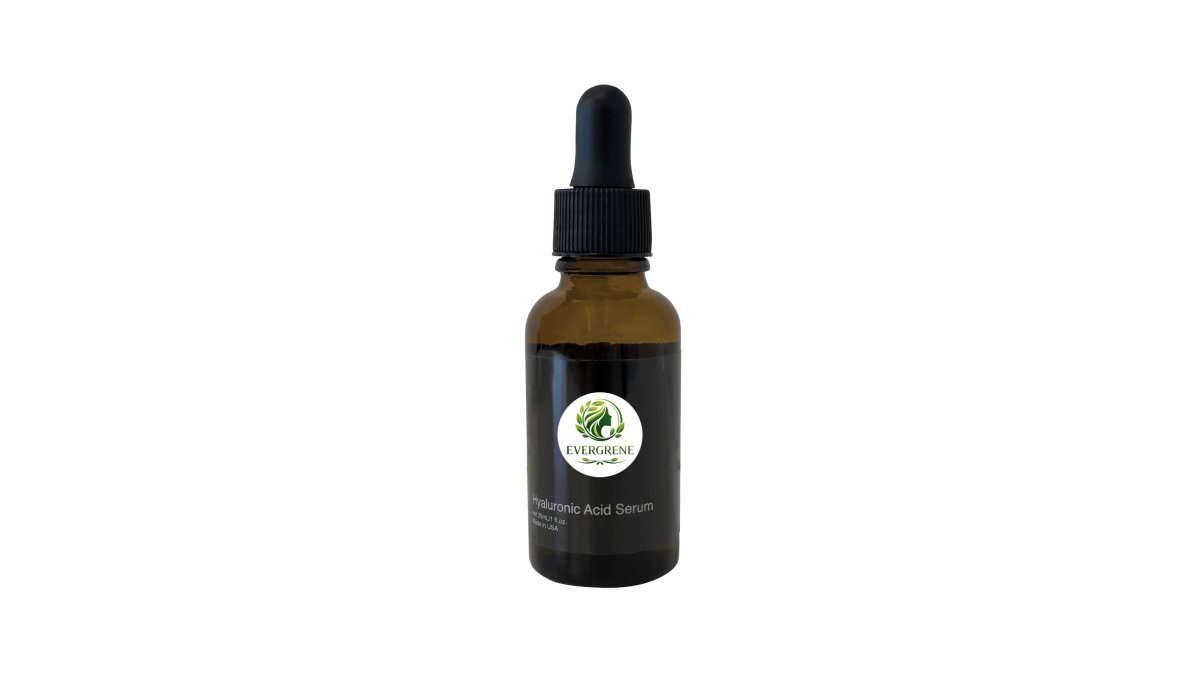
- Days 3-4: Add hydration on damp skin. Apply a hyaluronic acid serum within a minute of cleansing, while skin is still damp, to pull water into the epidermis. Our Hyaluronic Acid Serum pairs hyaluronic acid with glycerin to support elasticity and moisture retention. Follow immediately with a ceramide-rich moisturizer to seal the water in.
- Days 5-7: Layer in occlusives. Ceramides, cholesterol, squalane, and fatty acids replace the lipids your barrier is missing. Apply a thicker layer at night than you would normally use. If your skin tolerates it, a thin layer of petrolatum over the driest patches overnight accelerates recovery.
- Every morning, all seven days: sunscreen. Compromised skin is more vulnerable to UV damage, and UV exposure slows barrier recovery. A broad-spectrum SPF of 30 or higher is non-negotiable, even indoors near windows.
What to expect, day by day
Most people see the stinging stop within three to four days and flaking resolve by day seven to ten. Redness takes the longest, often one to two weeks, because it reflects underlying inflammation, not just surface damage. If you're still stinging on day ten, extend the pause and see a dermatologist rather than pushing forward.

Reintroducing retinol without re-injuring the barrier
Once stinging stops and flaking resolves, don't jump back to your old schedule. Restart at once a week using the sandwich method, and hold there for two full weeks before adding a second night. If irritation returns at any point, drop back one step and stay there longer. The pattern that works is slow, boring, and consistent, not aggressive.
When to Pause Retinol and What to Do Next
Pause retinol immediately if you see cracked skin, oozing, severe swelling, or pain that doesn't improve with moisturizer. These are signs of a barrier injury or a contact reaction, not normal acclimation. Contact a dermatologist if symptoms persist beyond a few days of stopping the active.
For milder irritation, a short pause of three to five days is usually enough. When you restart, go back to the sandwich method at once a week and rebuild from there. The Cleveland Clinic's overview of retinoid side effects notes that most irritation is dose-dependent and manageable with reduced frequency.
The decision framework: pause, push through, or stop for good
Most guides give you two options, keep going or quit. In practice there are three, and picking the right one depends on what your skin is actually doing:
- Push through (with adjustments): Mild flaking, no stinging, breakouts confined to your usual acne zones. This is the adjustment period working as intended. Reduce frequency, buffer with moisturizer, and continue.
- Pause and reset: Stinging with plain moisturizer, redness spreading to areas you never break out, or burning that lasts more than an hour after application. Stop for three to five days, run the barrier repair protocol, then restart at once a week.
- Stop and switch: Two or more failed restarts at the lowest effective frequency, or any sign of a true contact reaction (hives, swelling, spreading rash). At this point, retinol isn't the right active for your skin, and that's a legitimate outcome, not a personal failure.
The part most guides skip: the 'retinol uglies' are psychological too
The purging and peeling phase has a nickname for a reason. It's the stretch, usually weeks three through six, when your skin looks worse than it did before you started, right before the results show up. The physical symptoms are well documented. The emotional side rarely is.
What actually happens: you commit to a routine, your skin breaks out in places it hasn't in years, and every mirror check feels like evidence you made the wrong call. Most people quit here, not because the irritation was unmanageable, but because they didn't know how long it would last or what 'normal' looked like at each stage.
Three things make this phase survivable:
- Know the timeline. Purging typically peaks between weeks two and four and resolves by week six. If you're in week three and it looks worse, you're on schedule, not failing.
- Track it, don't just feel it. Take a photo once a week in the same lighting. Progress is invisible day to day and obvious week to week.
- Have a repair protocol ready before you need it. Knowing exactly what you'll do if irritation flares removes the panic decision, you're not improvising, you're executing a plan.
What to do during the pause
A pause isn't a break from skincare, it's a different routine. Keep cleansing gentle, keep moisturizing aggressively, keep wearing sunscreen every morning, and keep your hands off your face. Don't add new actives to 'fix' the irritation, and don't try a different retinol formula mid-pause. The goal is a boring, stable week that lets your barrier catch up.
Frequently Asked Questions
How to calm skin irritation from retinol?
Stop using retinol immediately. Apply a gentle, fragrance-free moisturizer with ceramides or panthenol to help repair your skin barrier. Use a cool compress to reduce redness and inflammation. Avoid all exfoliants, alpha hydroxy acids, and benzoyl peroxide until your skin returns to normal. A hyaluronic acid serum can help replenish hydration without clogging pores. Most retinol irritation subsides within 3 to 7 days once you pause the active and focus on soothing, barrier-supporting ingredients.
What is the 1/2/3 rule for retinol?
The 1/2/3 rule is a simple guideline for starting retinol: use a pea-sized amount (1), apply it only 2 nights per week, and wait 3 weeks before increasing frequency. This gradual approach lets your skin build tolerance without triggering severe irritation. If your skin handles the initial schedule well, you can add one more night per week. This method works especially well for beginners or anyone with sensitive skin who wants to avoid the peeling and redness often associated with starting retinol.
Can I use moisturizer before retinol to prevent irritation?
Yes. Applying a moisturizer before retinol is the core of the sandwich method, a technique that buffers the active ingredient and reduces irritation risk. Start with a lightweight moisturizer or hyaluronic acid serum, wait 2 to 3 minutes for it to absorb, then apply your pea-sized amount of retinol, and finish with another layer of moisturizer. This creates a barrier that slows retinol absorption, making it ideal for sensitive skin or anyone new to retinol products.
What ingredients should I avoid mixing with retinol?
Avoid combining retinol with benzoyl peroxide, salicylic acid, alpha hydroxy acids, and exfoliants in the same routine. These ingredients can overwhelm your skin barrier and cause erythema, peeling, and inflammation. If you use these actives, alternate them on different nights. Also skip alcohol-based toners and harsh cleansers while using retinol. Instead, pair retinol with soothing agents like ceramides, bisabolol, and panthenol, and always apply sunscreen with SPF 30 or higher the next morning.