
Build an Affordable Skincare Routine: Step-by-Step
Table of Contents
- Start With the Non-Negotiable Three: Cleanser, Moisturizer, Sunscreen
- Build a Basic Skincare Routine on a Budget
- Choose Affordable Skincare Ingredients That Work
- Skincare Routine for Dehydrated Skin on a Budget
- Skincare Products Worth the Money: When to Invest
- Your Monthly Budget Breakdown
- Common Budget Skincare Mistakes to Avoid
- Frequently Asked Questions
Last Updated: October 17, 2026
Start With the Non-Negotiable Three: Cleanser, Moisturizer, Sunscreen
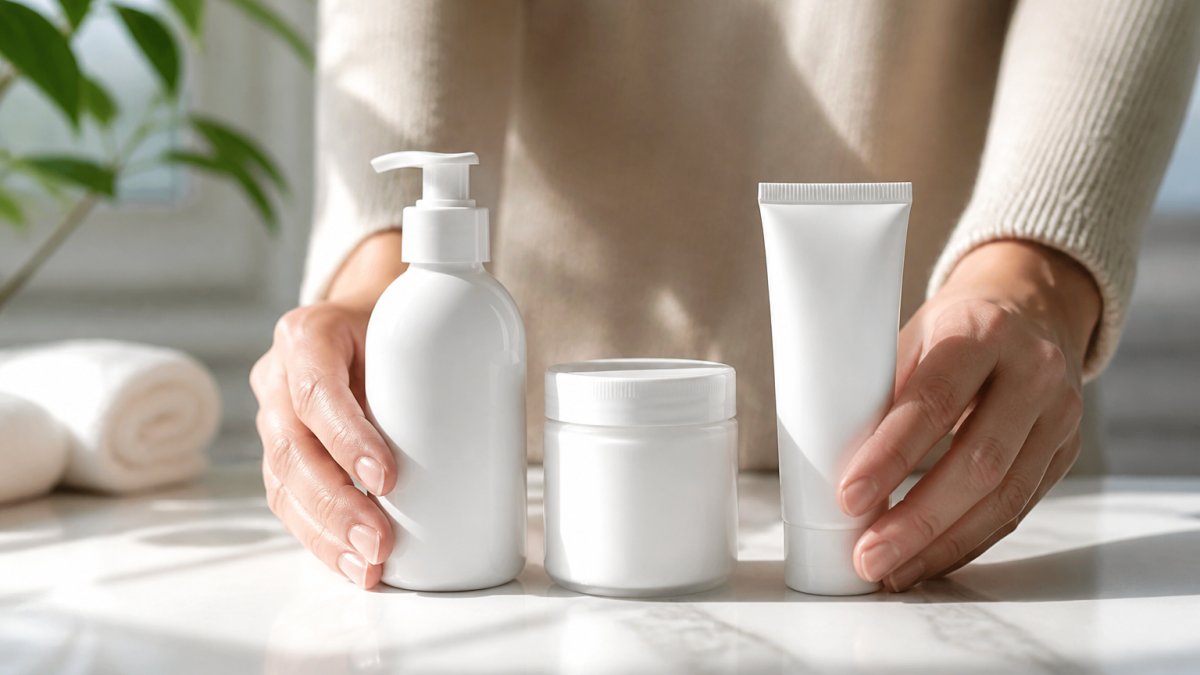
Building an affordable skincare routine doesn't require expensive products or complicated steps. The foundation rests on three essentials: a gentle cleanser, a reliable moisturizer, and daily sunscreen. These address the core needs every skin type shares. Most people overcomplicate their routines before mastering these basics.
Why These Three Matter Most
Your skin needs cleansing to remove daily buildup, moisturizing to maintain hydration, and sun protection to prevent damage. A gentle cleanser removes dirt and oil without stripping skin. A good moisturizer locks in hydration and supports the skin barrier. Sunscreen prevents sun damage, which causes most visible aging.
What to Spend and What to Skip
You don't need luxury products to see results. Many effective cleansers cost under $15, quality moisturizers start around $20 to $35, and sunscreen options exist at every price point. The key is proven ingredients, not brand names.
Budget skincare often works as well as expensive alternatives. What matters is consistency and matching products to your skin type. A $10 cleanser used twice daily beats a $50 one used sporadically.
Build a Basic Skincare Routine on a Budget
An affordable skincare routine takes just minutes and delivers real results. Start with the three essentials, then add one or two targeted treatments if needed.
Morning Routine (5 Minutes)
Cleanse with lukewarm water and a gentle cleanser, then pat dry. Apply moisturizer while skin is still slightly damp to lock in hydration. Finish with a broad-spectrum sunscreen rated SPF 30 or higher, applied generously to face, neck, and ears.
Evening Routine (10 Minutes)
Your evening routine removes the day's buildup and supports overnight repair. Cleanse your face thoroughly. Pat dry. Apply your moisturizer to face and neck. If you're using a treatment serum like the EVERGRENE Hyaluronic Acid Serum for deep hydration, apply 2-3 drops before your moisturizer. This builds your affordable skincare routine with targeted benefits.
Choose Affordable Skincare Ingredients That Work
Not all ingredients are created equal. Learning to read labels and match ingredients to your skin type helps you find effective products at any price point without relying on brand names.
Read Labels Without the Confusion
Ingredient lists appear in descending order by concentration. The first five ingredients matter most. Look for these proven performers:
- Glycerin draws moisture into skin and works for all types.
- Hyaluronic acid holds many times its weight in water and suits dehydrated skin.
- Panthenol soothes and hydrates and is useful for sensitive skin.
- Niacinamide balances oil and can reduce redness; it suits oily and combination skin.
- Ceramides support the skin barrier and help dry or reactive skin.
- Zinc oxide and titanium dioxide are mineral sunscreen filters that suit sensitive skin.
- Salicylic acid exfoliates inside pores and suits acne-prone skin.
- Glycolic acid exfoliates dead surface cells and suits texture and dullness.
Avoid long ingredient lists when a simpler formula will do. Simple formulations often work better than complex ones and are usually cheaper.

Selection Criteria by Skin Type
Use these criteria to compare any two products on the shelf.
Dry skin. Look for ceramides, glycerin, hyaluronic acid, and shea butter in the first five ingredients. Choose a cream or balm texture over a gel.
Oily skin. Look for niacinamide, salicylic acid, and gel-based moisturizers. Choose oil-free or non-comedogenic labels. Avoid heavy occlusives like petrolatum in daytime moisturizers if you are prone to congestion.
Sensitive skin. Look for short ingredient lists, fragrance-free labels, panthenol, and mineral sunscreen filters. Avoid essential oils, fragrance, and high concentrations of acids. Patch-test on the inner forearm for three days before applying to the face.
Acne-prone skin. Look for salicylic acid, niacinamide, and non-comedogenic moisturizers. Avoid heavy oils and occlusives in leave-on products. Do not layer multiple acids at once; pick one exfoliant and use it two to three times weekly.
Ingredient Substitutions That Save Money
You do not need five different serums; one multitasking product often works better. If a product contains hyaluronic acid and glycerin, it hydrates without a separate serum. If your moisturizer contains niacinamide, you do not need a separate pore-minimizing product. If your sunscreen contains moisturizing ingredients, you may skip a separate morning moisturizer in humid weather.
Many affordable options contain the same active ingredients as luxury brands; the difference is often packaging and marketing, not efficacy. Compare the first five ingredients on the label, not the front of the bottle.
Skincare Routine for Dehydrated Skin on a Budget
Dehydrated skin feels tight and looks dull. It needs hydration, not just moisture: hydration adds water to skin, moisture seals it in. Both are necessary.
Hydrating Ingredients Worth Adding
If your skin feels parched, add a hydrating treatment to your affordable skincare routine. Hyaluronic acid is the gold standard, and glycerin is another budget-friendly hydrator that works for all skin types.
Dehydrated skin often improves dramatically when you add one hydrating serum. EVERGRENE's Hyaluronic Acid Serum with proven hydration benefits ($34.00) addresses dehydration without the luxury price tag. Apply it to damp skin before your moisturizer for maximum absorption.
Budget-Friendly Hydration Boosters
Apply your hydrating serum while skin is still damp from cleansing, then follow with moisturizer to seal everything in. This layering technique costs nothing but dramatically improves results.
Drink more water. Dehydrated skin often reflects overall hydration levels, and consistent intake combined with topical hydration speeds improvement.
Skincare Products Worth the Money: When to Invest
Not every product deserves premium pricing. But some ingredients justify higher costs. Knowing the difference prevents wasted money.
Where Spending More Delivers Results
Chemical exfoliants like glycolic acid require proper pH balance to work effectively. Budget options sometimes get this wrong. EVERGRENE's Glycolic Acid Serum ($46.70) balances cost with effectiveness, making it a smart investment for texture improvement without luxury pricing.

Where Budget Options Work Just Fine
Basic cleansers are commodities: a $12 gentle cleanser removes dirt as effectively as a $50 one. Moisturizers follow the same pattern, if it contains glycerin and ceramides, it hydrates regardless of price.
Toners and essences are often unnecessary. If your cleanser and moisturizer are solid, skip them and save money.
Your Monthly Budget Breakdown
Sticker price is not the same as cost. A $16 cleanser that lasts 90 days costs about $0.18 per use; a $40 serum that lasts 60 days costs about $0.67 per use. The table below converts common budget products into cost-per-use and monthly carry cost so you can compare affordability the way a household budget actually works.
Cost Per Use and Monthly Carry Cost
Assumptions: one use per day for cleanser and moisturizer (twice daily for cleanser if you cleanse morning and night), one application per day for sunscreen, and one serum application per day. Cost per use = price divided by estimated uses per container.
| Product | Typical Price | Estimated Uses | Cost Per Use | Monthly Carry Cost |
|---|---|---|---|---|
| Gentle cleanser (twice daily) | $12-$18 | 180 uses (90 days) | $0.07-$0.10 | $4-$6 |
| Basic moisturizer | $15-$25 | 90 uses (90 days) | $0.17-$0.28 | $5-$8 |
| Sunscreen SPF 30+ | $10-$20 | 45 uses (45 days) | $0.22-$0.44 | $7-$13 |
| Hyaluronic acid serum | $34.00 | 60 uses (60 days) | $0.57 | $17 |
| Glycolic acid serum (2-3x weekly) | $46.70 | 60 uses (60 days) | $0.78 | $23 |
| Oil-free daily moisturizer | $45.00 | 90 uses (90 days) | $0.50 | $15 |
Monthly carry cost is what you should set aside each month so replacement purchases never surprise you. It is not what you spend in month one; it is the smoothed average over a year.

Three Budget Tiers
Starter (essentials only). Cleanser, moisturizer, sunscreen. Monthly carry cost: roughly $16-$27. Upfront cost if bought all at once: $37-$63. This tier is enough for most people to see improvement in four to six weeks.
Moderate (essentials plus one treatment). Add one serum matched to your main concern. Monthly carry cost: roughly $33-$50. Upfront cost: $71-$110. Add the treatment only after four weeks on the starter tier so you can tell what is working.
Maintenance (replacements only). Once your routine is set, your monthly spend is the carry cost above, not the upfront cost. Most people overestimate their monthly skincare spend because they compare a replacement month to a starter month.
Repurchase Cadence
Cleansers and moisturizers typically last 60 to 90 days with daily use. Serums last 45 to 60 days at one application per day. Stagger your purchases so you are not replacing everything in the same month: buy cleanser in month one, moisturizer in month two, sunscreen monthly, and serum every other month.
Common Budget Skincare Mistakes to Avoid
Most people waste money on things they don't need. Understanding these mistakes saves hundreds annually.
Buying too many products at once. You don't need a serum, essence, toner, treatment, and mask. Start with three essentials.
Switching products constantly. Skin needs time to adjust, and most products require 4-6 weeks to show results.
Ignoring your skin type. Oily skin needs different products than dry skin.
Skipping sunscreen to save money. Sun damage causes 80% of visible aging. Spending $15 monthly on sunscreen prevents expensive treatments later.
Using too much product. A pea-sized amount of serum covers your face. A nickel-sized amount of moisturizer is usually enough.
Assuming expensive means better. Price doesn't correlate with effectiveness. Many affordable products outperform luxury alternatives. Read ingredients, not price tags.
Building an affordable skincare routine is straightforward when you focus on essentials first.
Frequently Asked Questions
What are the absolute minimum products needed for an affordable skincare routine?
You need three non-negotiable products: a gentle cleanser, a moisturizer, and a daily sunscreen with SPF 30 or higher. These form the foundation of any effective skincare routine. A cleanser removes dirt and oil, a moisturizer hydrates and protects your skin barrier, and sunscreen prevents sun damage and premature aging. You can build an affordable skincare routine around just these three products for under $100 per month, and they work for all skin types.
Can an affordable skincare routine actually treat dehydrated skin?
Yes. A skincare routine for dehydrated skin focuses on hydrating ingredients like hyaluronic acid and glycerin, which are inexpensive and highly effective. The Hyaluronic Acid Serum ($34) paired with a good moisturizer like EVERGRENE's Oil-Free Daily Moisturizer ($45) addresses dehydration without requiring expensive treatments. Apply the serum first, then moisturizer, to lock in hydration.
Which skincare products are actually worth spending more money on?
Invest in products that stay on your skin all day and directly address your primary concern: moisturizer and active treatments like serums. A quality moisturizer and targeted serum (like EVERGRENE's Glycolic Acid Serum for texture or Hyaluronic Acid Serum for hydration) deliver visible results. Budget options work fine for cleansers since they rinse off immediately, but serums and moisturizers with proven active ingredients justify higher prices through better results.
How do I know if affordable skincare ingredients are actually effective?
Look for these proven affordable ingredients: hyaluronic acid (hydration), glycerin (moisture barrier), glycolic acid (exfoliation and texture), niacinamide (pore refinement), and vitamin E (antioxidant protection). Check the ingredient list order, active ingredients appear near the top. EVERGRENE's formulations include these proven ingredients at accessible prices. Avoid products with long lists of fillers, and prioritize serums and moisturizers with 3-5 active ingredients rather than products claiming to do everything.