
Buy Premium Skincare Tools Online: A 2026 Guide
Table of Contents
- What Makes Premium Skincare Tools Worth the Investment
- Skincare Tools to Improve Product Absorption
- Best Facial Devices for Home Use
- How to Use Skincare Tools Effectively
- Contraindications and Safety Warnings
- Choosing the Right Premium Skincare Tools for Your Skin Type
- Frequently Asked Questions
What Makes Premium Skincare Tools Worth the Investment
Premium skincare tools represent a meaningful shift in how people approach daily beauty routines. At EVERGRENE, the difference between a drugstore applicator and a clinic-grade device isn't just about aesthetics, it's about efficacy. A well-designed microcurrent tool or LED light therapy device can fundamentally change how your skin absorbs serums and treatments, delivering results that passive application cannot match.
The case for investing in premium skincare tools rests on three concrete advantages. First, these devices work synergistically with active ingredients like retinol and glycolic acid, amplifying their effects. Second, quality construction means durability, a device built to last costs far less per use than replacing cheaper alternatives. Third, clinical validation behind premium tools provides confidence that you're investing in proven technology, not just packaging.
What separates a $30 cleansing brush from a $120 sonic vibration device? Frequency, amplitude, and material composition. The premium option is calibrated to specific frequencies that optimize product penetration without compromising your skin barrier, a distinction that matters most if you're already investing in high-quality serums and treatments.
Skincare Tools to Improve Product Absorption
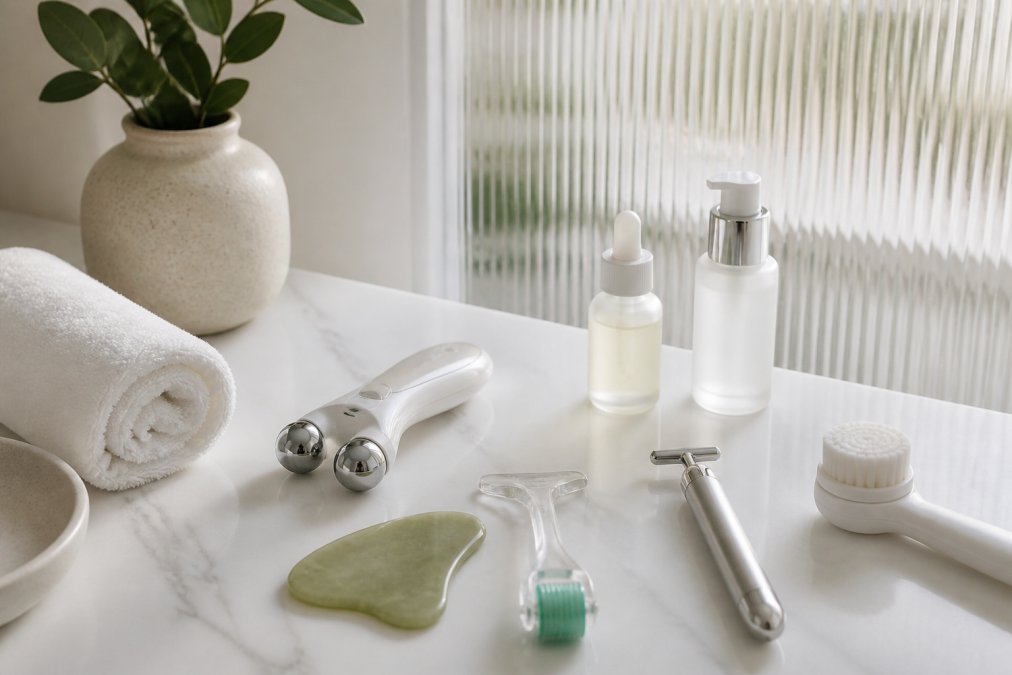
Your premium skincare tools are only as effective as their ability to help your skin absorb active ingredients. When you apply a retinol serum or glycolic acid treatment without a proper delivery mechanism, much of it sits on the surface. The right tools change that equation entirely.
Microcurrent Devices and Facial Toning
Microcurrent technology uses low-level electrical currents to stimulate facial muscles and improve circulation. Increased blood flow delivers more oxygen and nutrients to skin cells, while gentle electrical stimulation promotes collagen production and elasticity over time.
Use a quality microcurrent device 3-4 times weekly for 5-10 minutes per session. The device glides across facial contours, helping serums penetrate deeper into the dermis rather than remaining on the epidermis. Many users report visible improvements in skin firmness and a more defined jawline within 6-8 weeks of consistent use (peer-reviewed research).
The key advantage over manual facial massage is consistency, a device delivers uniform current and maintains precise pressure across all facial zones. EVERGRENE's curated selection emphasizes devices with adjustable intensity settings, allowing you to start conservatively if your skin is sensitive.
Important consideration: microcurrent devices are not suitable for everyone. If you have a pacemaker, are pregnant, or have active skin infections, consult a dermatologist before use.
LED Light Therapy for Collagen Production
LED light therapy works through a different mechanism than microcurrent, making it an excellent complementary tool. Different wavelengths trigger different cellular responses: red light (around 630 nanometers) stimulates collagen production and reduces inflammation, while blue light (around 415 nanometers) targets acne-causing bacteria, and near-infrared light penetrates deeper to support cellular repair.
Regular use, typically 10-20 minutes, 3-4 times weekly, can improve skin texture, reduce fine lines, and support healing after treatments like chemical exfoliation. LED devices are particularly valuable if you're using glycolic acid, since the exfoliation can temporarily increase skin sensitivity, LED therapy actually accelerates recovery and strengthens the skin barrier during this vulnerable period.
Quality LED devices use medical-grade diodes calibrated to specific wavelengths. When evaluating LED tools, look for devices that specify their wavelength ranges and come with usage guidelines based on your skin concern.
Sonic Vibration and Cleansing Brushes
Sonic vibration technology operates at frequencies typically between 200-300 oscillations per second, dislodging makeup, oil, and dead skin cells far more effectively than manual cleansing (peer-reviewed research). The distinction between sonic brushes lies in bristle material and frequency precision. Synthetic bristles are gentler than natural bristles and better for sensitive skin, while premium options maintain consistent oscillation.
Use a sonic brush for 60 seconds maximum per session, focusing 10-15 seconds on each facial zone. Over-cleansing can compromise your skin barrier, so the goal is effective cleansing, not aggressive scrubbing.
Best Facial Devices for Home Use
The best facial device for your home routine depends on your primary skin concern and current regimen. If anti-aging is your focus, microcurrent and LED light therapy deliver measurable results. If you're managing acne or oily skin, sonic cleansing combined with blue light therapy is more relevant. If you're using chemical exfoliants, you need tools that support skin barrier recovery.
Dermaplaning and Exfoliation Tools
Dermaplaning uses a specialized blade held at a 45-degree angle to gently scrape away dead skin and fine facial hair. Unlike chemical exfoliation, which dissolves bonds between dead skin cells, dermaplaning physically removes them. The two approaches complement each other when spaced appropriately.
A quality dermaplaning tool has a surgical-grade stainless steel blade, a protective guard to prevent accidental cuts, and an ergonomic handle. The blade should be sharp enough to glide smoothly without requiring pressure.
Dermaplaning is safe for most skin types, but avoid it if you have active acne, rosacea, or severe sensitivity. It's also not suitable if you're using prescription retinoids at high concentrations. Use dermaplaning once every 3-4 weeks. After dermaplaning, your skin is primed to absorb serums and treatments, making it an ideal time to apply retinol or glycolic acid formulations.
Facial Massage and Lymphatic Drainage Devices
Facial massage stimulates blood circulation and encourages lymphatic drainage, reducing puffiness and supporting the body's natural detoxification process. A dedicated facial massage tool, whether a gua sha stone, jade roller, or electric massager, amplifies these benefits beyond what your fingers can achieve.
Gua sha and jade rollers work through manual pressure and cooling effect, best used after applying serums or oils. Electric facial massagers deliver consistent pressure and frequency that manual tools cannot match. Gentle upward strokes from the center of the face toward the ears and down the neck follow the natural path of lymphatic flow. Consistent use, 5-10 minutes daily, can visibly reduce morning puffiness within a few days.
Quality matters because pressure consistency is crucial. Premium devices offer adjustable intensity, allowing you to find the optimal pressure for your skin.
How to Use Skincare Tools Effectively
Owning premium skincare tools is only half the equation. How you use them determines whether you see results or waste money. The most common mistakes involve over-use, improper sequencing, and incompatibility with active ingredients. start a skincare routine.
Integration with Retinol and Glycolic Acid Treatments
Retinol and glycolic acid are powerful actives that increase skin sensitivity and accelerate cell turnover. Using aggressive tools while using these treatments compromises your skin barrier and causes irritation.
If you're using retinol, limit mechanical exfoliation to once weekly at most. Your retinol is already driving cell turnover, so adding aggressive cleansing creates redundancy and irritation. Instead, pair retinol with gentler tools like LED light therapy or facial massage, which support skin recovery without additional exfoliation.
Glycolic acid dissolves bonds between dead skin cells. The first 2-4 weeks often involve peeling and sensitivity as your skin adjusts. During this period, avoid dermaplaning, sonic cleansing at high intensity, and microcurrent devices. Once your skin has adapted (typically after 4 weeks), you can reintroduce other tools, but maintain at least 2-3 days between glycolic acid application and mechanical exfoliation.
Apply retinol or glycolic acid to completely clean, dry skin using a gentle cleanser, not a sonic brush. Wait 15-20 minutes for the product to fully absorb before applying other treatments. Never layer retinol and glycolic acid on the same night. LED light therapy is one of the few tools that pairs well with both retinol and glycolic acid, use it 2-3 times weekly, at least 12 hours away from retinol or glycolic acid application.
Sanitization and Long-Term Maintenance
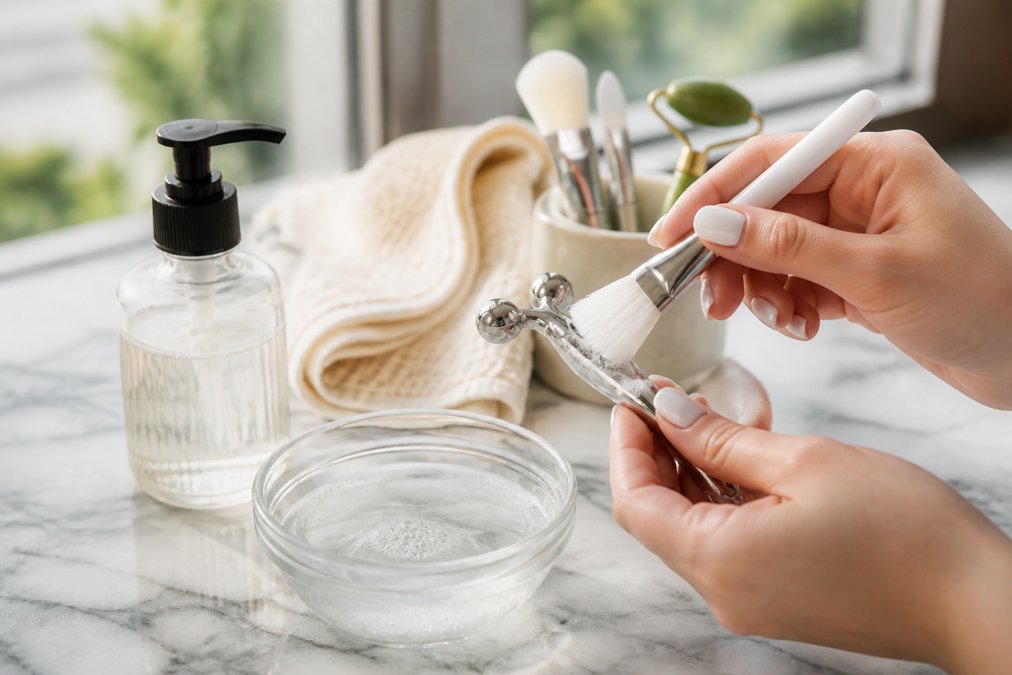
Proper maintenance extends your investment's lifespan significantly. After each use, wipe the device with a soft, damp cloth. Once weekly, clean more thoroughly using a gentle cleanser and warm water. Replace replaceable parts, like cleansing brush heads, every 3-4 months or when bristles show visible wear.
For microcurrent and LED devices, check manufacturer guidelines before submerging, many are water-resistant but not waterproof. Wipe with a damp cloth instead of rinsing. Store battery-powered devices in a cool, dry place and charge according to specifications.
Sonic devices require particular attention because vibration can loosen internal components over time. Store them upright and avoid dropping. If a sonic device stops vibrating at consistent intensity, it likely needs professional servicing or replacement.
Blade-based tools like dermaplaning razors must be replaced regularly. A dull blade requires more pressure, increasing irritation risk. Replace blades every 4-6 weeks with regular use.
Contraindications and Safety Warnings
Premium skincare tools are safe for most people when used correctly, but certain conditions warrant caution or exclusion.
Do not use microcurrent devices if you have a pacemaker, implanted defibrillator, or other electronic implant (the FDA). Pregnancy is a relative contraindication, while microcurrent is likely safe, research is limited. Consult your obstetrician before use.
LED light therapy has few contraindications, but photosensitivity is one. If you take medications that increase photosensitivity, consult your dermatologist before using LED devices.
Sonic cleansing brushes should be avoided if you have active acne, severe rosacea, or compromised skin barrier. Similarly, if you're recovering from a professional treatment like chemical peels or microneedling, wait at least one week before resuming sonic cleansing.
Dermaplaning is contraindicated during active breakouts, severe inflammation, or if you're using prescription-strength retinoids. Facial massage tools are generally safe, but avoid them if you have active skin infections or severe rosacea.
If you have any chronic skin condition, eczema, psoriasis, or severe rosacea, consult a dermatologist before introducing new tools.
Choosing the Right Premium Skincare Tools for Your Skin Type
The best premium skincare tool for you depends on your skin type, primary concern, and existing routine.
For oily or acne-prone skin: prioritize sonic cleansing combined with blue light therapy. These address excess oil and bacterial overgrowth without adding potentially irritating treatments.
For dry or sensitive skin: LED light therapy (especially red light) and facial massage tools support skin barrier function and hydration without aggressive exfoliation.
For combination skin: microcurrent devices paired with targeted LED therapy work well. Use sonic cleansing only on oily zones and reserve dermaplaning for areas with visible texture concerns.
For mature skin concerned with fine lines and elasticity: microcurrent devices are your priority, combined with red light LED therapy to support collagen production. Retinol integration is important, the combination delivers visible anti-aging results within 8-12 weeks.
For uneven texture or hyperpigmentation: LED light therapy combined with chemical exfoliation using glycolic acid is most effective. Avoid mechanical exfoliation initially; add dermaplaning only after your skin has adapted to glycolic acid.
Start conservatively. Introduce one tool at a time, use it consistently for 4 weeks, then assess results before adding another. This approach prevents overwhelming your skin and helps you identify which tools genuinely work for you.
Choosing premium skincare tools requires balancing investment with genuine efficacy. The tools that deliver measurable results, microcurrent devices for facial toning, LED light therapy for collagen production, sonic cleansing for product absorption, justify their cost through durability and performance. EVERGRENE's curated selection emphasizes devices engineered for real results, featuring clinic-grade technology designed to integrate seamlessly with retinol and glycolic acid formulations. Explore our collection to find the tools that match your skin type and concerns, and experience how the right technology transforms your skincare routine from a daily habit into an effective treatment protocol.
Frequently Asked Questions
What should I look for when buying premium skincare tools online?
Focus on devices with clear instructions for your skin type, and warranty coverage. Check whether the tool addresses your specific concern, microcurrent for facial toning, LED therapy for collagen production, or dermaplaning for exfoliation. Read reviews from users with similar skin concerns, and verify that the seller offers customer support. Premium skincare tools should feel durable and come with sanitization guidance.
How do facial tools improve the absorption of serums and moisturizers?
Skincare tools to improve product absorption work through multiple mechanisms. Sonic vibration increases serum penetration by creating micro-vibrations that help active ingredients like retinol and glycolic acid reach deeper skin layers. Microcurrent devices enhance skin elasticity and improve circulation, allowing serums to absorb more effectively. Facial massage and lymphatic drainage techniques reduce puffiness and increase blood flow, which helps your skin barrier accept and retain hydration better.
Are expensive skincare tools worth the investment?
Premium skincare tools justify their cost through durability, efficacy, and consistent results. High-quality devices use non-invasive technology tested for safety and backed by warranties. Unlike budget alternatives that may fail after months, premium tools last years with proper maintenance. They also integrate seamlessly with professional-grade serums like retinol and glycolic acid formulations, amplifying their rejuvenation effects. The investment pays off when tools become a reliable part of your routine.
How often should I sanitize my facial skincare tools?
Clean your tools after every use with a gentle cleanser and soft brush to remove residual serum, bacteria, and dead skin cells. For devices with batteries or electronic components, wipe with a damp cloth rather than submerging. Weekly deep sanitization with a disinfectant spray designed for beauty tools prevents contamination. Proper sanitization protects your skin barrier, reduces irritation risk when using active ingredients like retinol or glycolic acid, and extends the lifespan of your investment.
This article was written using GrandRanker