
Glycolic Acid for Sun-Damaged Skin: Benefits & How to Use
Table of Contents
- What Glycolic Acid Does for Sun-Damaged Skin
- How Glycolic Acid Works on Photoaged Skin
- Glycolic Acid vs Retinol for Sun Damage: Which Works Better
- How to Use Glycolic Acid for Hyperpigmentation and Dark Spots
- Glycolic Acid Concentration for Beginners: Finding Your Starting Point
- Safety, Side Effects, and Skin Barrier Protection
- Building a Long-Term Sun Damage Recovery Routine
- Frequently Asked Questions
Last Updated: October 2, 2026
What Glycolic Acid Does for Sun-Damaged Skin
Glycolic acid is an alpha hydroxy acid that accelerates cell turnover and exfoliation, making it one of the most effective treatments for glycolic acid sun damaged skin. It penetrates the stratum corneum and stimulates shedding of dead skin cells, revealing fresher, more even-toned skin beneath. Sun damage creates hyperpigmentation, uneven texture, and fine lines that glycolic acid directly addresses by promoting cellular renewal.

Glycolic acid actively reverses existing damage rather than just preventing future harm. It triggers collagen synthesis in the dermal layer, restoring elasticity and firmness to UV-compromised skin. For sun spots, melasma, or rough texture, glycolic acid offers a clinically proven pathway to improvement.
How Glycolic Acid Works on Photoaged Skin
Glycolic acid breaks down the bonds holding dead skin cells together (desquamation). Sun exposure accelerates skin cell damage and creates a buildup of damaged cells on the surface. Glycolic acid dissolves these bonds, allowing the epidermis to shed damaged layers and expose healthier skin underneath.
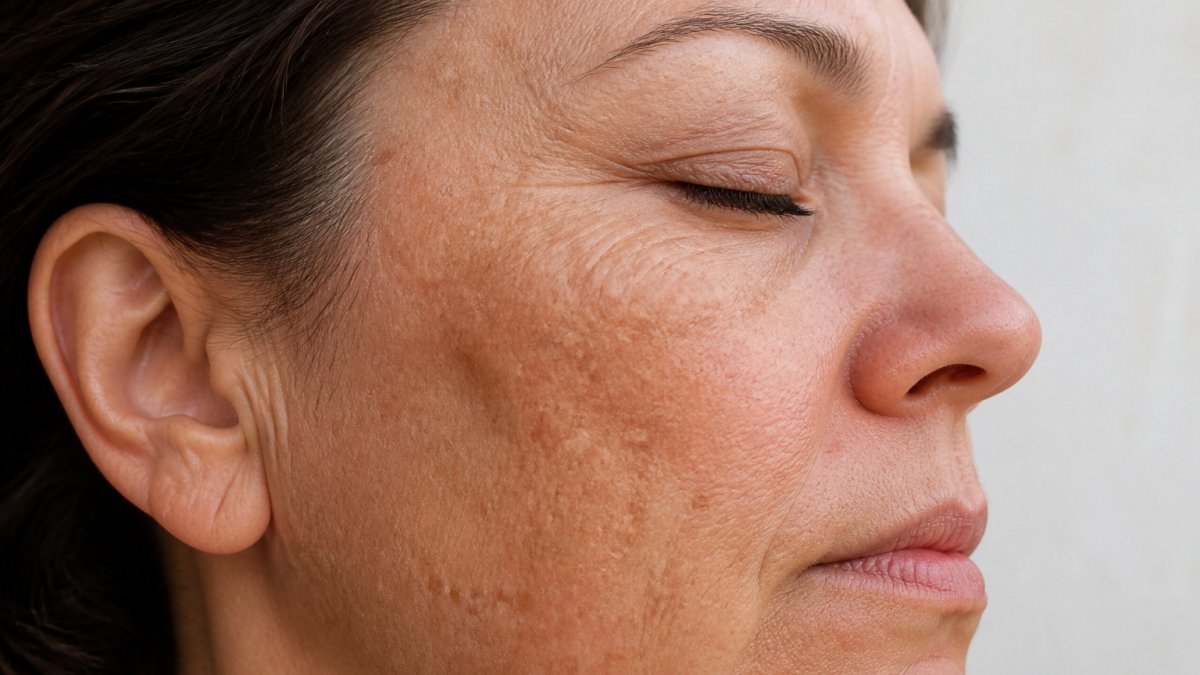
Glycolic acid is the smallest alpha hydroxy acid, penetrating deeper than larger exfoliants to reach keratinocytes. When UV-damaged, these cells produce irregular melanin, creating dark spots and uneven pigmentation.
Exfoliation triggers increased blood flow, enhancing nutrient delivery and supporting the skin's natural healing. This is why skin looks brighter immediately after treatment and why continued use produces compounding improvements.
Glycolic Acid vs Retinol for Sun Damage: Which Works Better
Glycolic acid removes damaged surface layers immediately, while retinol increases cell turnover from within by binding to retinoid receptors and stimulating collagen production. The choice depends on your skin's current condition and tolerance.
Glycolic acid shows results in 2-4 weeks for hyperpigmentation and texture; retinol requires 8-12 weeks but provides deeper structural improvements. Many dermatologists recommend using both: glycolic acid for surface damage and tone, retinol for collagen rebuilding.
For addressing dark spots and rough texture, glycolic acid sun damaged skin treatment shows faster results. For fine lines and elasticity loss, retinol is better.
How to Use Glycolic Acid for Hyperpigmentation and Dark Spots
The most common mistake is applying too much too often. Overuse causes irritation that triggers more melanin production, worsening hyperpigmentation.
Proper application protocol for dark spots:
- Cleanse your face with a gentle, pH-balanced cleanser
- Pat skin completely dry (water on the skin dilutes the glycolic acid and reduces effectiveness)
- Apply 2-3 drops of glycolic acid serum to your palm
- Gently massage into face and neck, avoiding the eye area
- Wait 10-15 minutes before applying moisturizer or other products
- Follow with a broad-spectrum sunscreen during the day (essential, glycolic acid increases UV sensitivity)
For hyperpigmentation, consistency matters more than strength. A 7-10% glycolic acid serum 3-4 times weekly outperforms 15% once weekly.
The EVERGRENE Glycolic Acid Serum is formulated for beginners and intermediate users with glycerin and squalane to support the skin barrier.
Glycolic Acid Concentration for Beginners: Finding Your Starting Point
Concentration matters significantly. A 5% serum suits sensitive skin and daily use; 10-15% formulations are more aggressive. Choose based on your skin's tolerance and sensitivity.
| Concentration | Best For | Frequency | Expected Timeline |
|---|---|---|---|
| 5-7% | Sensitive skin, first-time users | Daily or every other day | 6-8 weeks for visible results |
| 8-10% | Normal to combination skin | 3-4x per week | 4-6 weeks for visible results |
| 12-15% | Resilient skin, experienced users | 2-3x per week | 2-4 weeks for visible results |
| 20%+ | Professional treatments only | As directed by dermatologist | Immediate results, requires recovery time |
The EVERGRENE Glycolic Acid Serum contains a moderate concentration suitable for most skin types. Begin 2-3 times weekly, then increase as your skin adapts. If you experience persistent redness or burning after 10-15 minutes, reduce frequency or dilute with moisturizer.
A lower concentration used consistently outperforms sporadic high-strength treatments. Your skin barrier needs recovery time between exfoliations; pushing too hard stalls progress.
Safety, Side Effects, and Skin Barrier Protection
Glycolic acid is safe when used correctly.
Expected vs. problematic side effects:
Expected side effects include mild redness (10-20 minutes), slight dryness, and minor flaking, signs the acid is working.
Skin barrier assessment before starting glycolic acid:
Before introducing glycolic acid, evaluate whether your skin barrier is healthy enough. A compromised barrier will react severely and may take weeks to recover.
- Moisture barrier check: Apply your regular moisturizer to clean, damp skin. If it stings, burns, or causes redness within 5 minutes, your barrier is compromised. Wait 1-2 weeks of barrier repair (hydrating serums, heavy moisturizers, no other actives) before starting glycolic acid.
- Sensitivity baseline: Test a new product on your inner arm. If you experience redness or irritation from products that normally feel neutral, your barrier needs repair first.
- Tightness and flaking: Persistent tightness or visible flaking even after moisturizing indicates a weakened barrier. Glycolic acid will worsen this temporarily; repair first.
- Reaction to other actives: If you're currently using retinol, vitamin C, or niacinamide and experiencing sensitivity, introduce glycolic acid only after your skin has fully adapted to the existing active (typically 4-6 weeks).
Post-treatment recovery protocol:
The 30 minutes after applying glycolic acid are critical for barrier recovery, your skin is most vulnerable and receptive to supportive ingredients.
- Minutes 0-15: Let glycolic acid work. Do not rinse or apply other products. If burning becomes unbearable (more than mild warmth), rinse with cool water immediately, this is a sign you've used too high a concentration or frequency.
- Minute 15: Apply a hydrating serum while skin is still slightly damp. Hyaluronic acid, sodium hyaluronate, or glycerin-based serums work best. These ingredients penetrate more easily into freshly exfoliated skin and lock in hydration.
- Minute 20: Apply a rich moisturizer. Look for formulas containing ceramides, squalane, or peptides, ingredients that actively repair barrier function, not just seal moisture. The EVERGRENE Age Defying Serum (squalane and glycerin base) works well here, or any ceramide-rich moisturizer.
- Minutes 25-30: If using glycolic acid in the morning, apply broad-spectrum SPF 30+ minimum. If using at night, you're done, allow the moisturizer to set for 5-10 minutes before bed.
Protecting your skin barrier during the glycolic acid phase:

- Hydration stacking: Use a hydrating serum before moisturizer every single day, not just on glycolic acid nights. This maintains barrier function between treatments.
- Avoid layering other actives: During your first 4-6 weeks of glycolic acid use, do not combine it with vitamin C, niacinamide (above 5%), retinol, or other acids. Each active stresses the barrier; combining them accelerates damage.
- Sunscreen is non-negotiable: Glycolic acid increases photosensitivity by removing the outer layer of dead skin cells that provide some UV protection. Without daily SPF 30+, you're actively worsening sun damage while trying to repair it. Reapply every 2 hours if outdoors.
- Skip glycolic acid if barrier shows signs of stress: If your skin feels tight, flaky, reactive, or stings from normal products, skip glycolic acid for 3-5 days. Use only gentle cleanser, hydrating serum, and heavy moisturizer. Resume glycolic acid at a lower frequency (reduce from 3x to 2x weekly) once sensitivity resolves.
- Watch for the sensitization cycle: If you notice increasing redness or sensitivity over 2-3 weeks despite consistent use, you're likely over-exfoliating. Reduce frequency immediately, using glycolic acid 2x weekly with a healthy barrier outperforms 4x weekly with a damaged barrier.
Building a Long-Term Sun Damage Recovery Routine
Sun damage recovery takes 3-4 months of consistent treatment.
Phase 1: Initial Treatment (Weeks 1-8), Glycolic Acid Only
Do not introduce other actives during Phase 1.
Phase 2: Stabilization (Weeks 9-16), Glycolic Acid + Complementary Actives
Once your skin has adapted and dark spots have lightened, introduce a second active based on your primary concern:
For fine lines and elasticity loss: Add retinol 2-3 times weekly on non-glycolic acid nights. Use low-strength retinol (0.25-0.5%) on completely dry skin 20 minutes after cleansing. Never use retinol and glycolic acid on the same night initially. Sample schedule: glycolic acid Monday, Wednesday, Friday; retinol Tuesday, Thursday, Saturday; Sunday off.
Avoid layering with glycolic acid:
- Vitamin C: Both increase photosensitivity. Use vitamin C in the morning on non-glycolic acid days.
- Other acids: Combining multiple exfoliants accelerates barrier damage. Choose one primary exfoliant.
- High-concentration niacinamide (above 10%): Stick to 4-5% if using the same day.
- Benzoyl peroxide: Use on separate nights if treating acne alongside sun damage.
Phase 3: Maintenance (Month 5+), Sustaining Results
Reduce glycolic acid to 2x weekly. Continue retinol 2x weekly or maintain niacinamide daily.
You've likely seen 60-80% improvement in hyperpigmentation and texture.
Long-term ingredient strategy for sustained sun damage recovery:
After 4-6 months, adjust your routine based on remaining concerns:
- Rough texture remains: Maintain glycolic acid 2x weekly; add enzyme exfoliant (papain or bromelain) 1x weekly.
- Elasticity still compromised: Increase retinol to 3x weekly; add peptide serum on non-retinol nights.
- Goals achieved: Reduce to glycolic acid 1-2x weekly and retinol 1-2x weekly indefinitely.
Sun damage recovery requires ongoing treatment, not a one-time fix.
Frequently Asked Questions
How does glycolic acid help repair sun-damaged skin?
Glycolic acid accelerates cell turnover by breaking down bonds between dead skin cells in the stratum corneum. This process reveals fresher, healthier skin underneath and stimulates collagen synthesis in the dermal layer. For sun-damaged skin, this cellular renewal fades dark spots, evens hyperpigmentation, and improves overall skin texture. Most users see visible improvements in tone and brightness within 4-6 weeks of consistent use.
Can I use glycolic acid and retinol together for better results?
Yes, but with caution. Both are potent actives that increase skin sensitivity. Start by using them on alternate nights rather than the same evening. Retinol increases cell turnover, while glycolic acid accelerates exfoliation, so combining them can be effective for sun damage, but only after your skin barrier has adapted to each ingredient separately. Always use broad-spectrum sunscreen during the day, as both increase photosensitivity.
What glycolic acid concentration should beginners start with?
Beginners should start with concentrations between 5-10% and use the product 1-2 times per week. Lower concentrations allow your skin barrier to adapt without excessive irritation or desquamation. EVERGRENE's Glycolic Acid Serum is formulated to be gentle yet effective for all skin types, making it suitable for those new to chemical exfoliation. After 2-3 weeks, you can increase frequency to 3-4 times weekly if your skin tolerates it well.
How often should I use glycolic acid for sun damage?
Most people see optimal results using glycolic acid 3-4 times per week once their skin has adjusted. Start with once or twice weekly for the first 2-3 weeks, then increase frequency as tolerated. Never use daily, as this can compromise your skin barrier and cause chronic irritation. Consistency matters more than frequency, using it 3 times weekly for months will deliver better results than daily use for a few weeks followed by stopping.