
How to Safely Use Glycolic Acid for Ingrown Hairs
Table of Contents
- Understanding Ingrown Hairs and How Glycolic Acid Works
- How to Exfoliate Ingrown Hairs with Glycolic Acid
- How Often to Use Glycolic Acid for Best Results
- Glycolic Acid Before or After Shaving: Timing Matters
- Ingrown Hair Treatment After Shaving and Waxing
- Choosing the Right Product and Concentration
- When to Stop and When to Seek Professional Help
- Frequently Asked Questions
Last Updated: October 10, 2026
Understanding Ingrown Hairs and How Glycolic Acid Works
Ingrown hairs occur when hair grows back into the skin instead of rising above the surface, most often after shaving or waxing, and learning how to safely use glycolic acid for ingrown hairs is one of the most effective prevention methods. The trapped hair creates a bump, redness, and irritation.
Glycolic acid is a chemical exfoliant that dissolves dead skin cells by breaking down the bonds between old and new skin. When dead skin builds up, it traps hair beneath the surface. Glycolic acid removes that buildup, allowing hair to grow out freely, it clears the path for hair to exit naturally, preventing ingrown hairs from forming.
At EVERGRENE, our Glycolic Acid Serum combines glycolic acid with hydrating ingredients like glycerin and squalane to gently exfoliate while protecting skin, making it suitable for all skin types.

How to Exfoliate Ingrown Hairs with Glycolic Acid
Apply 2-3 drops to clean, dry skin and massage gently in circular motions across the affected area. Avoid scrubbing or aggressive rubbing, which can irritate skin further.
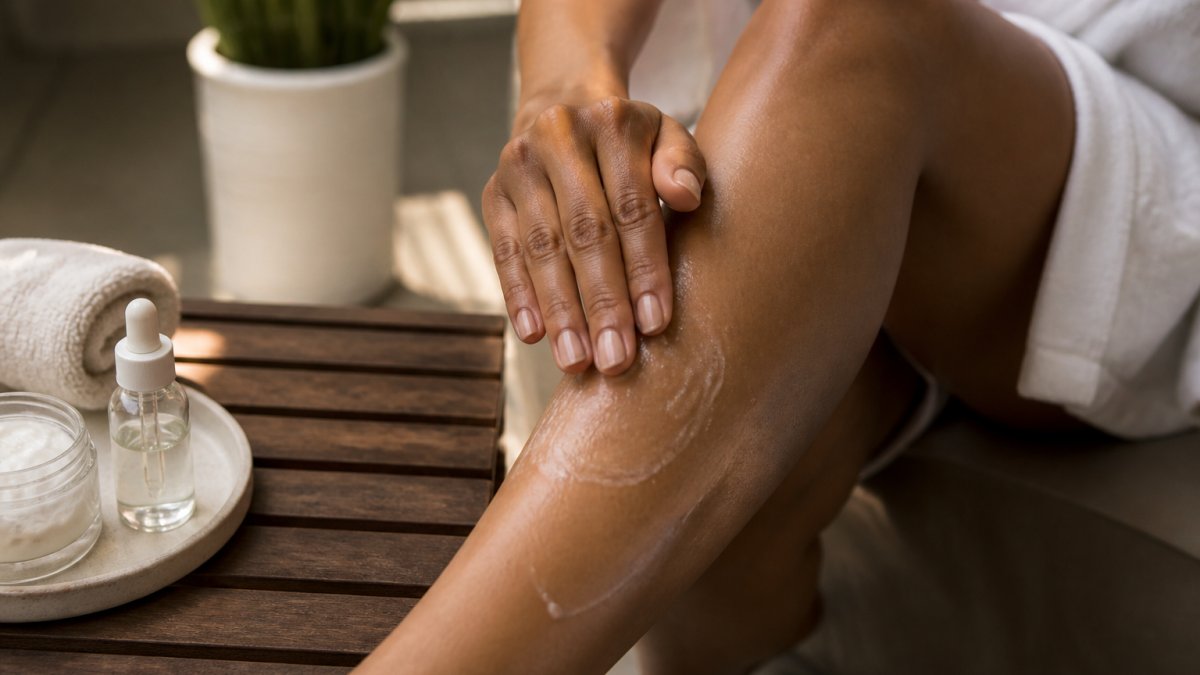
Follow these steps for safe application:
- Cleanse your skin with a gentle cleanser
- Pat skin completely dry
- Dispense 2-3 drops into your palm
- Apply to the area with ingrown hairs
- Use light circular motions for 30-60 seconds
- Wait 5 minutes before applying moisturizer
- Apply sunscreen during the day
Circular motions help the glycolic acid penetrate evenly and encourage blood flow to support healing. Gentle pressure is all you need.
After application, follow with a hydrating moisturizer to lock in benefits and prevent over-drying. If you're using EVERGRENE's Glycolic Acid Serum, the built-in hydrating ingredients reduce the need for extra moisturizer.
How Often to Use Glycolic Acid for Best Results
Most people see good results using glycolic acid two to three times per week. If your skin is sensitive, begin with once per week and gradually increase as tolerance builds. Never use more than once daily, as over-exfoliation damages your skin barrier.
Signs you're using it too often include:
- Excessive redness or burning
- Flaking or peeling
- Increased sensitivity to other products
- Dryness that moisturizer doesn't fix
If you notice these signs, cut back to once per week. Let your skin recover for a few days before trying again.
For ingrown hair prevention, consistency matters more than frequency. Using it two to three times per week prevents new ingrown hairs from forming. Most people see improvement within 2-4 weeks; existing ingrown hairs may take 6-8 weeks to resolve.
Glycolic Acid Before or After Shaving: Timing Matters
Do not apply glycolic acid immediately before or after shaving or waxing. Wait at least 24-48 hours after hair removal to let your skin recover, and avoid shaving or waxing for 24-48 hours after using glycolic acid. This spacing prevents cumulative damage and barrier damage.
The ideal schedule looks like this:
- Day 1: Shave or wax
- Day 2-3: Let skin recover (no exfoliation, no hair removal)
- Day 3-4: Apply glycolic acid
- Day 5-7: Repeat glycolic acid if desired
- Day 8+: Safe to shave or wax again
Ingrown Hair Treatment After Shaving and Waxing
Immediately after shaving or waxing: rinse with cool water, apply gentle fragrance-free moisturizer, avoid touching with dirty hands, skip tight clothing, don't apply exfoliants or acids, and avoid sun exposure for 24 hours. For the next 2-3 days, keep the area clean and moisturized with gentle cleansing and patting dry.
After 48-72 hours, you can introduce glycolic acid, and understanding how to safely use glycolic acid for ingrown hairs at this stage prevents dead skin from trapping new hair growth. This is when exfoliation becomes beneficial. The glycolic acid prevents dead skin from trapping new hair growth.
For existing ingrown hairs, glycolic acid removes dead skin pressing down on trapped hair, allowing it to break through and grow out normally.
If an ingrown hair becomes infected, stop using glycolic acid. Look for signs of infection like pus, severe swelling, or warmth. These require professional care, not home treatment.
Choosing the Right Product and Concentration
Glycolic acid comes in concentrations from 5% to 15%. Starting low and escalating gradually is essential, as concentration directly affects both efficacy and irritation risk.
Concentration by skin sensitivity level:
- Sensitive skin or first-time users: Start with 5-7% glycolic acid once per week.
- Normal to combination skin: 7-10% glycolic acid is ideal for ingrown hair treatment, used 2-3 times per week.
- Resilient skin: 10-15% glycolic acid only after adapting to lower concentrations over 4-6 weeks.
The patch-test protocol:
Before using any glycolic acid product on your face, legs, or bikini line, perform a 48-hour patch test:
- Choose a small, inconspicuous area (inner forearm, behind the ear, or inner thigh).
- Cleanse and dry the area completely.
- Apply a dime-sized amount of the product to the test spot.
- Wait 10 minutes. If burning, stinging, or redness develops immediately, rinse off and do not use the product.
- Leave the product on for the duration recommended by the manufacturer (typically 5-20 minutes for serums).
- Rinse thoroughly with cool water and pat dry.
- Apply your regular moisturizer to the test area.
- Wait 48 hours. Do not apply other actives, exfoliants, or retinoids to the test spot during this time.
- After 48 hours, inspect the area. If no redness, swelling, itching, or irritation has developed, the product is likely safe for broader use.
If the patch test shows any reaction, do not proceed. Either choose a lower concentration or select a different product.
Look for products combining glycolic acid with hydrating ingredients like glycerin, hyaluronic acid, squalane, niacinamide, and allantoin. Products with pH between 3.5 and 4.0 are most effective.
- Serums: Fast-absorbing, concentrated, ideal for targeted application. Best for oily or combination skin.
- Toners: Lower concentration, gentler, suitable for sensitive skin.
- Cleansers: Mild exfoliation, good for maintenance.
- Peels or masks: High concentration, higher irritation risk; reserve for experienced users.
For home ingrown hair treatment, a serum or toner at 7-10% is most practical.
Once your patch test passes: use once per week for weeks 1-2, twice per week for weeks 3-4, and three times per week from week 5 onward. If you experience persistent redness, peeling, dryness, or sensitivity, drop back one frequency level for 2-3 weeks.
When to Stop and When to Seek Professional Help
Distinguish between normal exfoliation responses, barrier damage, infection, and conditions requiring medical evaluation.
Signs to stop glycolic acid immediately:
Skin barrier damage includes persistent burning, spreading redness, swelling, intense itching, severe flaking, worsening dryness, or increased sensitivity to other products.
Signs of infection in an ingrown hair:
Infection is distinct from irritation and requires different action. Watch for:
- Pus or yellow/white discharge from the bump
- Warmth or heat radiating from the area (compared to surrounding skin)
- Spreading redness that extends beyond the original bump
- Swelling that increases over 2-3 days despite home care
- Severe pain or tenderness (beyond the normal ache of an ingrown hair)
- Red streaks extending from the bump toward lymph nodes (groin, underarm)
- Fever or chills accompanying the skin symptoms
If you notice any of these signs, stop using glycolic acid and all other exfoliants. Do not attempt to extract the hair yourself. Infected ingrown hairs can spread bacteria deeper into the skin or bloodstream.
Post-inflammatory hyperpigmentation (PIH):
People with darker skin tones (Fitzpatrick types IV-VI) are at higher risk for PIH, a darkening of the skin that occurs after inflammation or irritation. This is not an infection; it is a normal but prolonged healing response.
Signs of PIH:
- Dark brown, gray, or purple patches appearing 1-2 weeks after glycolic acid use
- Darkening that is darker than your baseline skin tone
- Patches that follow the shape of the application area
- No pain, warmth, or pus (distinguishing it from infection)
If you notice PIH developing:
- Stop glycolic acid use immediately.
- Avoid all other exfoliants and irritating products for at least 4 weeks.
- Use a broad-spectrum sunscreen (SPF 30+) daily; sun exposure darkens PIH.
- Apply a moisturizer with niacinamide or centella asiatica, which may reduce inflammation.
- Consult a dermatologist. They may recommend hydroquinone, tretinoin, or professional treatments (laser, microdermabrasion) to accelerate fading.
Prevention is easier than treatment: if you have darker skin, start with 5% glycolic acid, use it only once per week, and patch test first. Monitor closely for any darkening in the first 2 weeks.
When to seek professional help:
Consult a dermatologist if:
- Ingrown hair does not improve after 8-12 weeks of consistent glycolic acid use (2-3 times per week). This suggests the hair is too deeply trapped or the follicle is damaged.
- A hard lump or cyst forms under the skin at the ingrown hair site. This may indicate a follicular cyst, which requires professional drainage or removal.
- The same spot develops ingrown hairs repeatedly (more than twice in 6 months). Recurrent ingrown hairs may indicate a structural follicle problem or a need for professional hair removal (laser, electrolysis).
- You are unsure whether you have an ingrown hair or another condition. Bumps can also be keratosis pilaris, folliculitis, cysts, or dermatitis. A dermatologist can diagnose correctly and recommend the right treatment.
- Glycolic acid causes persistent irritation or barrier damage despite lowering concentration and frequency. You may need a gentler exfoliant (lactic acid or mandelic acid) or a different approach entirely.
- You have a history of keloids or hypertrophic scars. Chemical exfoliation may trigger abnormal scarring; a dermatologist can advise safer alternatives.
Professional treatment options:
If home care with glycolic acid is not working, a dermatologist can offer:
- Professional extraction: Sterile removal of deeply trapped hairs under magnification.
- Laser hair removal: Permanent reduction in hair growth, eliminating the source of future ingrown hairs. Most effective for people with light skin and dark hair; less effective for light hair or very dark skin (though newer lasers are improving).
- Electrolysis: Permanent hair removal suitable for all skin types and hair colors.
- Prescription topicals: Retinoids (tretinoin) or antibiotics (clindamycin) to reduce inflammation and prevent infection.
- Stronger chemical peels: Professional-grade glycolic acid (30-70%) applied under controlled conditions, or other acids (salicylic, lactic) if glycolic acid is not working.
Frequently Asked Questions
How often should you use glycolic acid for ingrown hairs?
Start with two to three times per week for most skin types. After your skin adapts over 2-3 weeks, you may increase to daily use if tolerated. If you have sensitive skin, stick to two to three times weekly. Always patch test first on a small area and watch for irritation, redness, or excessive dryness. Overuse can damage your skin barrier and worsen sensitivity.
Can you use glycolic acid before shaving, or should you wait?
Wait at least 24 hours after using glycolic acid before shaving. Chemical exfoliation weakens the skin barrier temporarily, making it more vulnerable to razor irritation and ingrown hairs. If you shave daily, apply glycolic acid only on non-shaving days. For best results, exfoliate the night before you plan to shave, then shave the next morning after cleansing.
Will glycolic acid help prevent ingrown hairs?
Yes. Glycolic acid removes dead skin cells that trap hair beneath the surface, reducing the buildup that causes ingrown hairs. Regular use, two to three times per week, helps keep pores clear and allows hair to grow out naturally. It's especially effective after shaving or waxing, when dead skin accumulation is highest. Results typically appear within 2-4 weeks of consistent use.
What should I do if my skin becomes irritated or discolored after using glycolic acid?
Stop using glycolic acid immediately and switch to a gentle cleanser and fragrance-free moisturizer for 3-5 days. If redness, swelling, or burning persists beyond a few hours, rinse thoroughly with cool water and avoid sun exposure. If you develop dark spots or post-inflammatory hyperpigmentation, consult a dermatologist before resuming use. Always use SPF 30 or higher during the day when using chemical exfoliants to prevent skin discoloration.