
How to Use Glycolic Acid for KP Treatment
Table of Contents
- Understanding Keratosis Pilaris and Glycolic Acid
- What You'll Need Before Starting
- Step 1: Patch Test and Assess Your Skin Tolerance
- Step 2: Cleanse and Prepare Your Skin
- Step 3: Apply Glycolic Acid to Affected Areas
- How Often to Use Chemical Exfoliants for KP
- Glycolic Acid vs Salicylic Acid for KP
- Best Moisturizer for Keratosis Pilaris
- Frequently Asked Questions
Last Updated: October 8, 2026
Understanding Keratosis Pilaris and Glycolic Acid
Keratosis pilaris, or KP, is a common skin condition where keratin buildup clogs hair follicles, creating small, rough bumps (Keratosis Pilaris Unveiled). It isn't dangerous, but the rough texture and follicular hyperpigmentation frustrate many people, which is where glycolic acid for KP treatment comes in.

Glycolic acid is an alpha hydroxy acid that dissolves the bonds between dead skin cells so they shed more easily (the American Academy of Dermatology). Unlike physical scrubs, it targets the keratin buildup clogging your follicles without harsh scrubbing.
Success with glycolic acid for KP comes from knowing your skin's tolerance level, starting low, and building gradually. This guide walks you through how to use it safely.
What You'll Need Before Starting
Before you begin using glycolic acid for KP, gather a few key products: a gentle cleanser, a good moisturizer, and sunscreen, non-negotiable, since glycolic acid increases UV sensitivity.
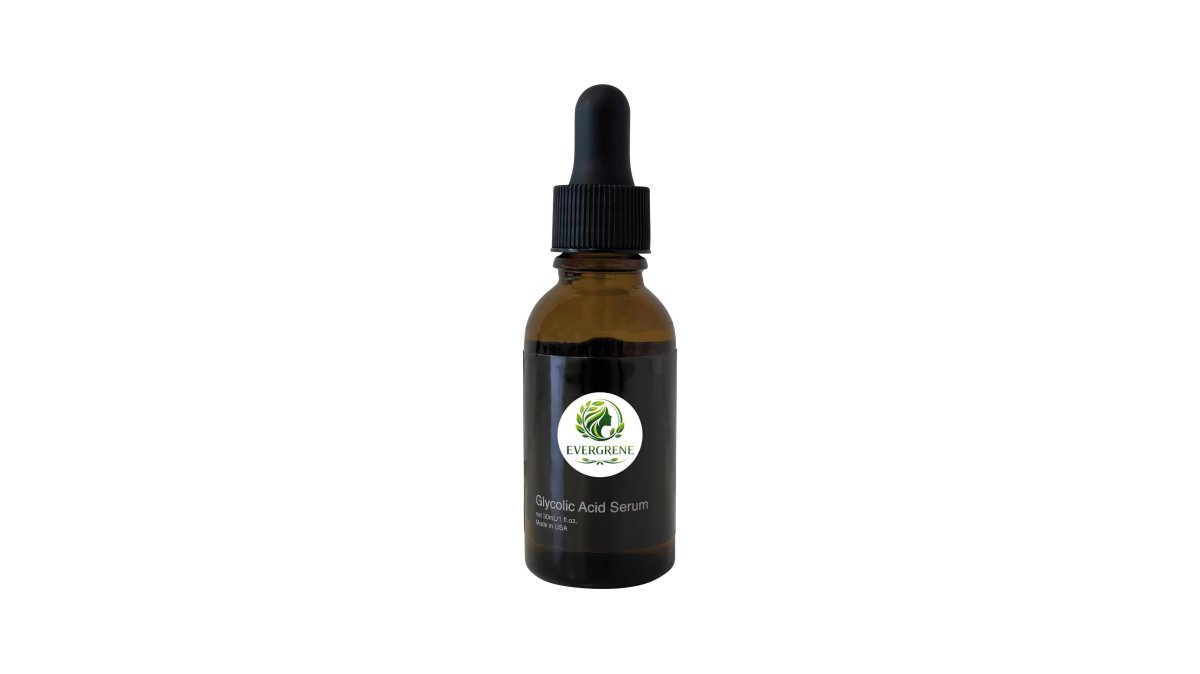
Our Oil-Free Daily Moisturizer works well because it hydrates without heaviness, and it's formulated with panthenol to support skin barrier function. Pair it with our Glycolic Acid Serum, which contains glycerin and squalane to balance exfoliation with hydration.

| Item | Purpose | Why It Matters |
|---|---|---|
| Gentle cleanser | Remove dirt and oil | Prepares skin for treatment |
| Glycolic acid serum | Chemical exfoliation | Dissolves keratin buildup |
| Moisturizer | Hydrate and protect | Prevents irritation and dryness |
| Sunscreen (SPF 30+) | UV protection | Prevents sun damage and dark spots |
| Cotton pads (optional) | Even application | Helps control product placement |
Step 1: Patch Test and Assess Your Skin Tolerance
Before applying glycolic acid to large areas, patch test on an inconspicuous spot like the inside of your forearm or behind your ear. Apply a small amount and wait 24 hours, this prevents widespread irritation. If you have very sensitive skin or a history of reactions to actives, start with a lower concentration, many products range from 5% to 10%.
Step 2: Cleanse and Prepare Your Skin
Start with clean, dry skin every time. Use a gentle cleanser and lukewarm water, hot water makes skin more reactive. Pat skin completely dry, since water dilutes the glycolic acid and reduces its effectiveness, and wait a few minutes so skin returns to its normal pH. If your skin is very dry or sensitive, an optional hydrating toner adds hydration without interfering with the acid.
Step 3: Apply Glycolic Acid to Affected Areas
How you apply glycolic acid depends on the format. Rinse-off and leave-on products behave very differently, and treating them the same way is a common reason people see no results or irritate their skin.
Rinse-off vs. leave-on: what actually changes
| Format | Typical concentration | Contact time | How to apply | Best for |
|---|---|---|---|---|
| Body wash / cleanser | 2-5% | 30-60 seconds, then rinse | Lather on wet skin in the shower, rinse thoroughly | Beginners, large areas like arms and legs, daily use |
| Toner or pad | 5-7% | Leave on | Swipe over clean, dry skin; do not rinse | Targeted areas, people who want a light layer |
| Serum or lotion | 5-10% | Leave on | Apply a thin layer to affected areas; do not rinse | Stubborn texture, arms, legs, back of thighs |
| Peel pads / high-strength | 10%+ | Leave on, often 1x weekly | Apply sparingly; avoid layering with other actives | Experienced users only, after tolerance is established |
Rinse-off products are the safer starting point because contact time is short. Leave-on products keep exfoliating for hours, so they demand a slower ramp-up and more moisturizing.
Applying a leave-on serum or lotion
Apply directly to KP bumps: 2-3 drops for the face, or a thin layer for arms or legs, enough to glide, not enough to look wet.
Focus on the roughest patches: the back of the upper arms, and the outer and back thighs. If the product feels tacky after 10 minutes, you applied too much.
Leave it on, it keeps working as it absorbs. After 10-15 minutes, apply your moisturizer.
Applying a rinse-off wash
For a glycolic acid body wash, lather on wet skin in the shower, let it sit 30-60 seconds, then rinse with lukewarm water. Don't exceed the label's contact time, longer means more irritation, not better results. Pat dry and moisturize while skin is still damp.
Choosing a format without brand loyalty
You do not need a specific brand to get results. What matters is the concentration, the format, and how your skin responds:
- New to glycolic acid, or treating large body areas: Start with a rinse-off wash in the 2-5% range.
- Already tolerate a wash and want more smoothing: Add a leave-on lotion or serum at 5-10%, applied once weekly at first.
- Sensitive skin or darker skin tones prone to hyperpigmentation: Stay with lower concentrations and rinse-off formats longer, and introduce leave-on products only after several weeks of tolerance.
- Treating the face: Use lower concentrations and smaller amounts than you would on arms or legs, and keep the product away from the eyes, lips, and any broken skin.
What to expect during and after application
A brief tingling that fades within a minute or two is common in the first few weeks. Burning that intensifies, lasts more than a few minutes, or comes with redness or swelling means rinse with cool water, apply a plain moisturizer, and skip the next application.
Follow with moisturizer and, in the morning, broad-spectrum SPF 30+. Glycolic acid increases photosensitivity, so daily sun protection is part of the treatment.
How Often to Use Chemical Exfoliants for KP
How often you use glycolic acid for KP depends on the product format, the concentration, and how your skin has responded. A structured ramp-up that matches your product works better than a generic "twice a week."
A conservative starter schedule by product format
Rinse-off washes and body cleansers (typically 2-5% glycolic acid): Short contact time makes these the gentlest entry point.
Leave-on serums, lotions, and pads (typically 5-10% glycolic acid): These keep working after application, so start with one application per week for two weeks.
Higher-strength leave-on products (10%+): Treat these as advanced. Begin with one application every 7-10 days and don't layer with other exfoliating acids, retinoids, or benzoyl peroxide the same night.
A simple four-week ramp-up
- Week 1: One leave-on application, or rinse-off every other day. Patch test first.
- Week 2: Same as week 1 if tolerated. Do not increase yet.
- Week 3: Add a second leave-on application, or move rinse-off to daily.
- Week 4: Hold at that level and assess texture, redness, and any stinging.
From week 5, increase frequency only if your skin is calm between applications. If you see flakes, tightness, or tenderness, stay at the current level.
When to stop, reduce, or call a clinician
Stop using glycolic acid and let your skin rest if you notice any of the following:
- Persistent burning or stinging that lasts more than a few minutes after application, or that gets worse rather than fading.
- A rash, spreading redness, or swelling beyond the treated area.
- Blistering, oozing, or raw, cracked skin.
- Worsening dark spots or new patches of hyperpigmentation, especially on darker skin tones, this can be a sign of post-inflammatory hyperpigmentation triggered by over-exfoliation.
- No improvement after 8-12 weeks of consistent, tolerated use, or bumps that are spreading, painful, or changing in appearance.
If any occur, pause the product for 7-10 days, focus on gentle cleansing and moisturizing, and restart at a lower frequency only if skin returns to baseline. If symptoms persist, or you're unsure the bumps are actually keratosis pilaris, see a board-certified dermatologist, KP can resemble other follicular conditions.
Combining glycolic acid with other KP treatments
Many people use more than one active for KP, and stacking them is where irritation usually starts:
- Retinoids (tretinoin, adapalene, retinol): Do not apply a leave-on glycolic acid and a retinoid in the same session on the same area. Alternate nights, or use glycolic acid in the morning and the retinoid at night only if your skin is well-adjusted.
- Lactic acid, urea, or ammonium lactate: These are also exfoliating or keratolytic. Choose one as your primary exfoliant rather than layering several.
- Benzoyl peroxide: It is drying and can be irritating alongside acids. If you use it for acne, keep it on a different area or time of day.
- Physical scrubs and loofahs: Skip them on days you use glycolic acid. Mechanical plus chemical exfoliation is a common cause of flare-ups.
- Sunscreen: Non-negotiable every morning. Glycolic acid increases photosensitivity, and unprotected UV exposure can worsen the dark spots you are trying to fade.
Consistency beats intensity. Two well-tolerated leave-on applications per week for three months will outperform daily use for two weeks followed by a barrier-repair break. Track your frequency and any irritation in a notes app so you can see patterns instead of guessing.
Realistic expectations
At-home glycolic acid is not a cure for KP, and it is not the same as in-office chemical peels, which use much higher concentrations under clinical supervision. KP tends to be a long-term condition that waxes and wanes with weather, hormones, and dryness, so the goal is management rather than elimination.
Glycolic Acid vs Salicylic Acid for KP
Glycolic acid and salicylic acid are both effective chemical exfoliants but work differently: glycolic acid is water-soluble and works on the skin's surface, while salicylic acid is oil-soluble and penetrates deeper into pores. For keratosis pilaris, glycolic acid tends to work on the skin's surface. Salicylic acid excels for acne and oily skin because it reaches inside clogged pores, but KP is a surface keratin buildup problem, not a pore problem.
Glycolic acid works best for people with KP, uneven skin tone, and rough texture. Salicylic acid is better for oily skin with acne and congestion.
Best Moisturizer for Keratosis Pilaris
Choosing the right moisturizer matters when using glycolic acid for KP treatment: your barrier needs support during exfoliation. The best moisturizer is lightweight, hydrating, and non-comedogenic. Look for glycerin, hyaluronic acid, or panthenol, they hydrate without heaviness.
Using glycolic acid for KP treatment requires patience and consistency, but the results are worth it. Start slow with patch testing, use the right concentration for your skin, and pair it with a solid moisturizer routine.
Frequently Asked Questions
How often should you exfoliate with glycolic acid to treat KP?
Start with once or twice weekly, depending on your skin sensitivity. Those with sensitive skin or darker skin tones should begin at the lower frequency and gradually increase if tolerated. Most people see improvement using glycolic acid 2-3 times per week. If irritation develops, reduce to once weekly or every other week. Chemical exfoliation with glycolic acid works best when consistent but not excessive; overuse can damage your skin barrier and worsen symptoms.
Is glycolic acid safe for sensitive skin prone to keratosis pilaris?
Yes, glycolic acid can work for sensitive skin when introduced gradually and at the right concentration. Always patch test first on a small area for 24-48 hours. Start with the lowest frequency (once weekly) and increase only if your skin tolerates it well. Use a gentle cleanser and follow with a nourishing moisturizer. If redness, burning, or excessive dryness occurs, stop use and consult a dermatologist. Our Glycolic Acid Serum is formulated for all skin types and includes soothing ingredients like aloe and glycerin.
What is the best way to moisturize after using glycolic acid for KP?
Apply moisturizer while your skin is still slightly damp to lock in hydration. Choose a lightweight, non-comedogenic option suitable for your skin type. EVERGRENE's Oil-Free Daily Moisturizer works well after glycolic acid treatment, providing hydration without heaviness and featuring panthenol to reduce redness. Apply in upward, circular motions and allow it to fully absorb. On days you use glycolic acid, skip other active ingredients and focus on nourishing and protecting your skin barrier with hydration.
Can I leave glycolic acid on my skin overnight for KP treatment?
No. Glycolic acid should be rinsed off or used as a leave-on treatment only if the product is specifically formulated for overnight use. Leaving high-concentration glycolic acid on overnight risks severe irritation, dryness, and skin damage. Follow your product's instructions carefully. If you want overnight treatment, use a low-concentration leave-on glycolic toner designed for that purpose, but introduce it gradually and monitor your skin closely.